

5 delivery technologies to help you optimise the last mile

Simon Edward • 18 May 2026

Share this article

Are you a warehousing business looking to solve the last-mile conundrum? Here are 5 technologies that can help.


There's a kind of person you've probably met in your working life. They move like a swan, gracefully and calmly passing amid the noise and chaos. But beneath the surface, their feet are paddling furiously.


Order fulfilment is a bit like a swan, too. All the customer really wants from you is a frictionless delivery.


They're not interested in the hurdles you've overcome to make it happen. They just want their stuff on time and in good condition. They want the grace, but not the paddling feet.


This is not, however, easy, to do – especially when your delivery reaches the last mile of its journey.


Yes, last-mile delivery is a head-scratcher for many businesses. It's the most expensive and often the slowest leg of the supply-chain journey. But in terms of customer satisfaction and brand loyalty, it could be the most important of them all.


This is because customers are now, for want of a better word, spoiled. They're used to fast, accurate and, in some cases, free delivery from household names like Amazon. Like it or not, your brand is in direct competition with these Goliaths.


It's not, however, at all easy to do well – especially if you're carefully watching your budget. Last-mile delivery can account for more than half of the overall shipping costs. It's especially difficult in rural areas with spaced-out drop-offs or in highly congested urban areas.


So, what's to be done about the last-mile problem? As so often in the world of warehousing, the answer has to include new technologies that increase speed, accuracy and visibility.


The core technological solution that every warehouse needs is a warehouse management system (WMS). A good WMS will provide real-time visibility into all of your inventory and all of your warehouse operations. A very good WMS will also allow you to optimise routes, track deliveries and more.


With all that said, here are five delivery technologies to help you optimise the last mile. Good luck!

1. A cloud-based WMS

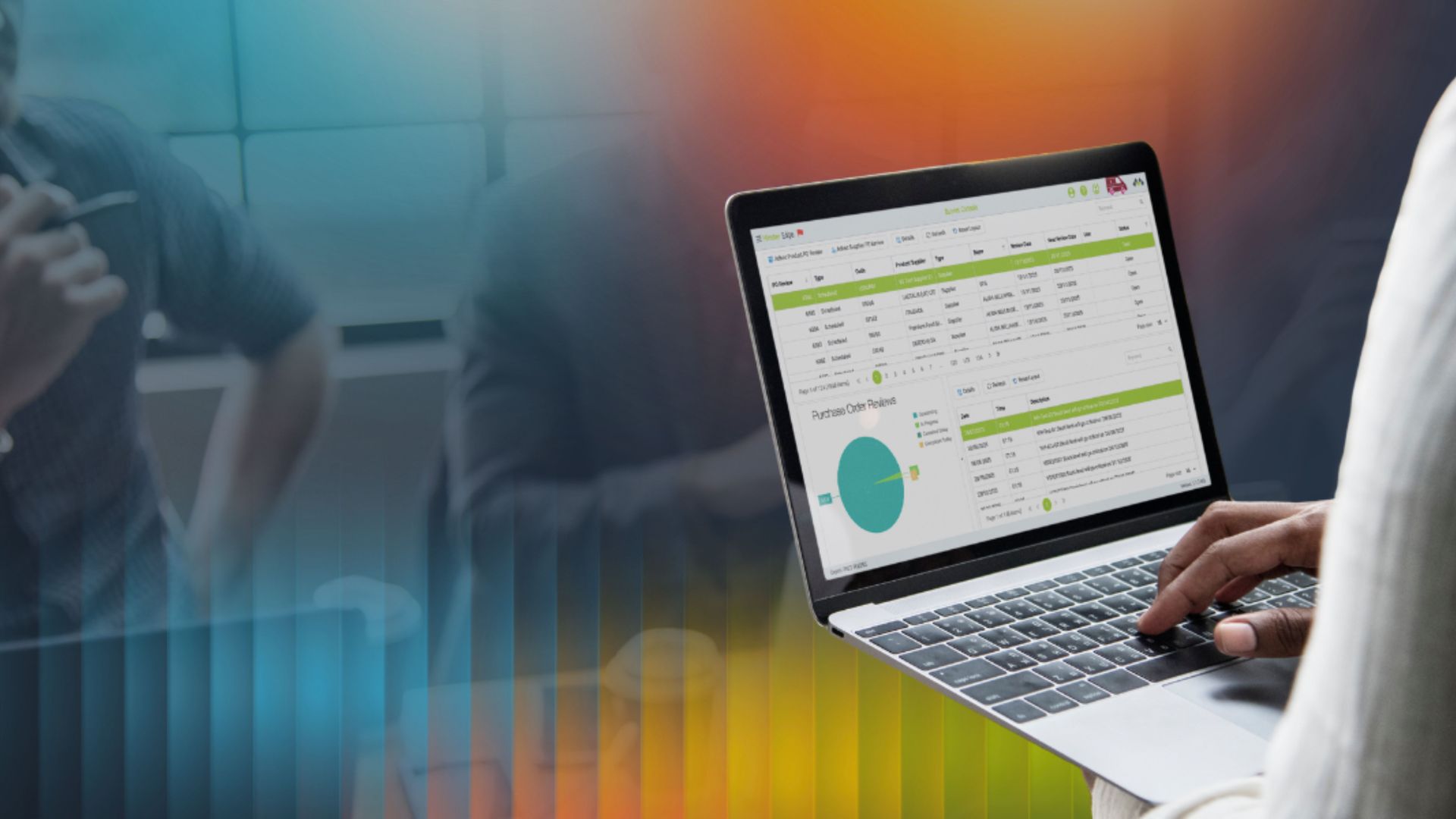
Picture of someone using Minster software in a warehouse.

A cloud-based WMS helps you accelerate picking and packing. It does this by using smart technology to optimise picking routes in the warehouse.


This, of course, happens before the last mile. But it nevertheless has an important impact. If things are moving slowly back at the warehouse, your customers are going to be let down by your last-mile delivery.


Route optimisation in the warehouse can also be applied to route optimisation on the road. By integrating your WMS with transportation optimisation tools, you can be sure drivers are taking the best, fastest and most fuel-efficient route.


There are other ways a WMS can help with last-mile deliveries. Many come with a dedicated B2B customer portal. These build trust by letting clients see the delivery status and location of their order.


A WMS's real-time tracking and visibility tools mean that fewer deliveries go wrong. But if something does go wrong, a WMS can help you fast-track the returns process.


Finally, a WMS is a goldmine not only of data but also of data analytics. A good WMS will give you real-time visibility into all aspects of the order fulfilment process including the final leg.


With just a few clicks of the mouse, you can generate reports on last-mile delivery stats. This helps you make decisions to improve this critical leg of the journey – decisions backed with data rather than wishful thinking.


2. Autonomous delivery robots and drones

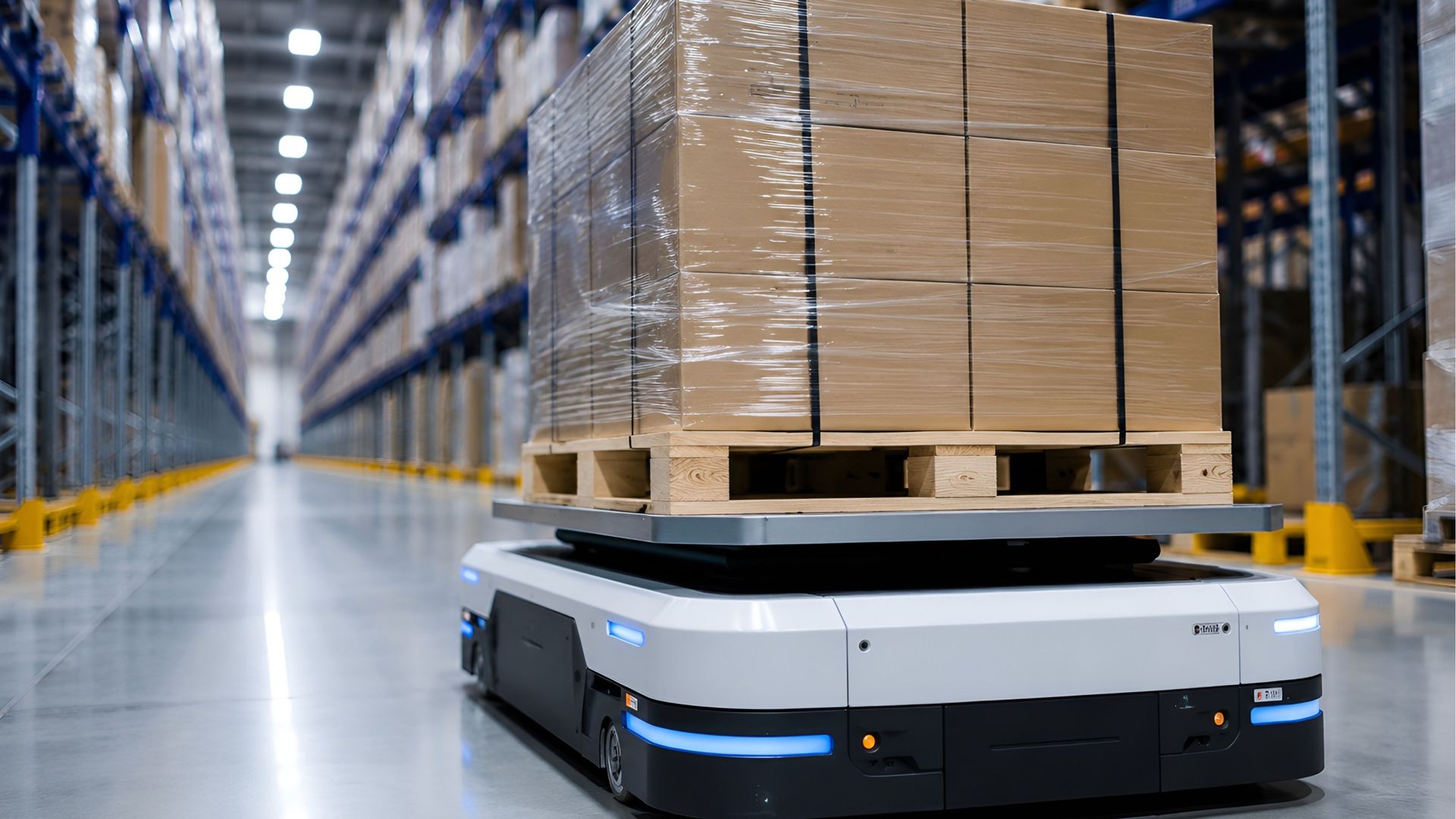
Autonomous delivery robots (ADRs) and drones are already used for last-mile delivery in parts of the USA, Europe and China. They provide 24/7 transport and, in the case of drones, can fly over congested roads.


They work by using advanced object detection and 3D imaging systems. AI, sensors and camera all work together to navigate these machines to customers.


An obvious appeal of these machines is, of course, that you don't have to pay staff. In some cases, however, there's a more philanthropic motive. Companies like Zipline and Matternet, for instance, use drones to deliver specialised medicine and vaccines to rural and congested areas.


3. Micro-fulfillment centres and smart lockers 


Picture of a parcel locker.

Micro-fulfilment centres (MFCs) and smart lockers provide benefits for both businesses and customers.

For businesses, they cut delivery costs by leaving items in shared facilities rather than delivering them directly to the customer's door.


And for the customer, they reduce the likelihood of missed deliveries, parcel pirates and other modern-day ills. In the case of 24/7 self-service hubs, they also give people flexible pick-up times.


At the time of writing, the main drawback of MFCs and smart lockers is that they're unequally distributed. In rural areas, for instance, customers might have to drive into the nearest village or small town to pick up their parcel.


Used in conjunction with door-to-door delivery, however, these solutions are on the rise and having a positive impact on business budgets and customer satisfaction alike.


4. Telematics and driver apps

One of the trickiest things about last-mile delivery is its vulnerability to traffic, roadworks, delays and other nightmares.


One way to get around this problem is by using real-time GPS tracking for delivery drivers and AI-powered route optimisation.


These ensure that drivers use the minimum possible amount of fuel and, above all, that orders arrive on time. Sometimes, these kinds of transportation management solutions are included or can be integrated with a cloud-based WMS.


5. Customer engagement platforms

An underrated aspect of last-mile delivery is customer engagement. Late deliveries and missed deliveries are a stress that most people could do without.


Customer engagement platforms let businesses communicate with customers on multiple channels: email, SMS, WhatsApp and social media, to take four of the most popular methods. This makes life easier for customers and encourages them to come back to your company for more.


Established in 1978, Minster WMS creates software solutions to help warehouse managers streamline operations and improve operational efficiency. Our CORE and EDGE warehouse management systems include a highly robust last-mile delivery solution, with features like electronic proof of delivery and GPRS tracking. To see how it works, book a free demo with our experts today.

Recent Posts

When data is fragmented, so is business. Discover what data transformation means
by Simon Edward 15 May 2026
When data is fragmented, so is business. Discover what data transformation means for system integration and how it can help drive efficiency.
Are you getting ready to set up your first warehouse?
by Simon Edward 11 May 2026
Are you getting ready to set up your first warehouse? Get the low-down on how to proceed in our guide.
Remote and hybrid working are becoming more and more common in many sectors.
by Simon Edward 8 May 2026
Remote and hybrid working are becoming more and more common in many sectors. So, how about warehousing?
What concrete steps can you take to improve customer satisfaction –
by Simon Edward 4 May 2026
What concrete steps can you take to improve customer satisfaction – and how can a warehouse management system help? Join us for a deep dive.
What management software is right for your business? Explore the pros, cons
by Simon Edward 1 May 2026
What management software is right for your business? Explore the pros, cons and differences between a WMS and an ERP.
What are the differences between voice picking and RF picking and which is best for your warehouse?
by Simon Edward 1 May 2026
What are the differences between voice picking and RF picking and which is best for your warehouse? Find out in our warehouse guide.
Looking to improve customer loyalty and boost sales?
by Simon Edward 27 April 2026
Looking to improve customer loyalty and boost sales? Explore the pivotal role that a customer-friendly returns policy can play.
No one said retail logistics management would be easy. Follow these 5 steps,
by Simon Edward 24 April 2026
No one said retail logistics management would be easy. Follow these 5 steps, however, and you can start to take charge and see results.
How do you know if your last-mile deliveries are up to scratch? Explore 10 KPIs to help
by Simon Edward 20 April 2026
How do you know if your last-mile deliveries are up to scratch? Explore 10 KPIs to help you separate fact from fiction.
Every warehouse needs a management system. Explore the pros and cons of cloud-based and on-premise
by Simon Edward 17 April 2026
Every warehouse needs a management system. Explore the pros and cons of cloud-based and on-premise systems to find out which is best for you.
Show More