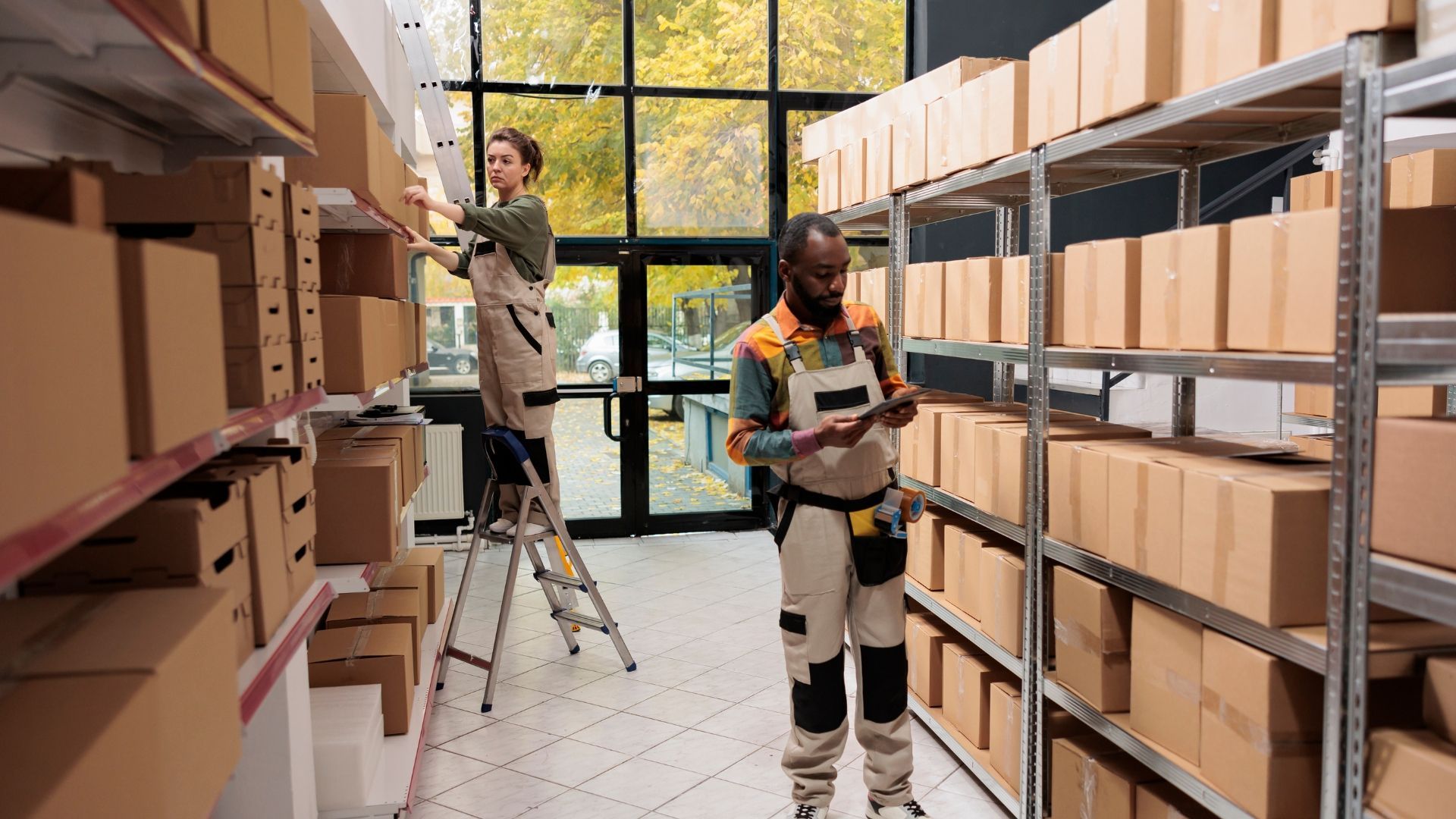


Your first warehousing setup: a guide for growing brands

Simon Edward • 11 May 2026

Share this article

Are you getting ready to set up your first warehouse? Get the low-down on how to proceed in our guide.


Are you getting ready to set up your first warehouse? Get the low-down on how to proceed in our guide.

So, your business is growing. Congratulations! We hope you toast your success and spread the news far and wide.


Once the excitement has settled down, however, there's a lot to think about. Growth is almost always a positive, but it brings with it a whole range of complications.


These complications can be categorised into two main groups: first, maintaining your brand identity and secondly, maintaining the customer experience.


Too often, growth means dilution and dissipation. This is human enough – but it's not something your brand needs to experience. Instead, it's a danger that can be held at bay with strategic planning.


Let's say you've been shipping your brand's goods from your home or, as a more experienced brand, from a colocation facility. Could it be time to get your own warehouse space? And if so, how can you be sure that it will further rather than hinder your growth?


Setting up your first warehouse is like a skydive: a daunting but exciting prospect. Done right, it can help you reach new customers and boost your reputation.

So, how do you do it right? It's all about the strategic use of space and the canny use of technology.


Zonal thinking

From one perspective, a warehouse is one big room. But from another, it's a big room divided into zones. Each zone has its function and needs to be planned accordingly.


There's the receiving area where goods are unloaded and inspected. There's the storage area where they're racked and shelved. There's the picking area for picking, the packing area for packing and the shipping area for, you guessed it, shipping. Finally, there's a zone for returns.


When setting up your first warehouse, you need to make sure these zones are in place and each has the resources it requires. Think boxes and tape for the packing area, and so on.


Without this zonal thinking, you're unlikely to provide the accurate and timely deliveries today's customers expect.


Storage solutions


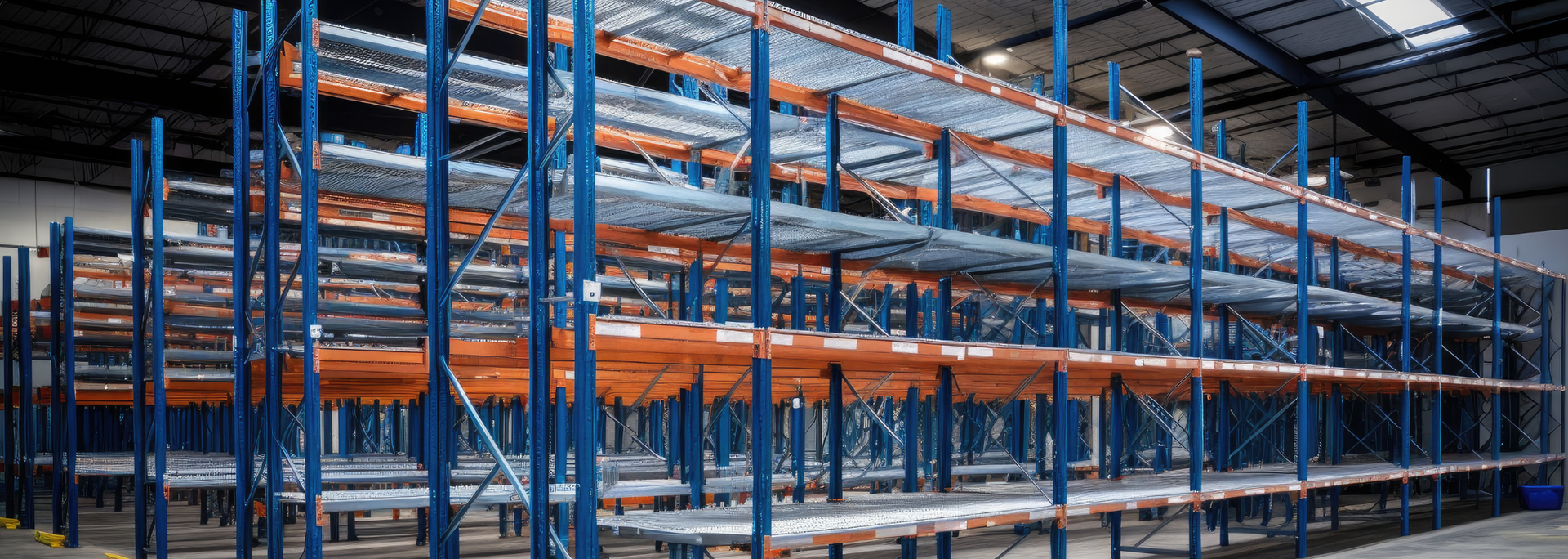
Picture of storage shelves.

A warehouse is a place where things happen. It's also a place where things are stored. A warehouse without strategic storage solutions is like an aeroplane without wings.


There are two main aspects of storage to consider when setting up your first warehouse. One is size and the other is dimensions.


Size-wise, you need storage space for large, bulky items and for smaller products. Many warehouses cater for these separately, with pallet racks storing the heavy items and shelving used for the smaller products.


And in terms of dimensions, a warehouse is much like a room in your home. When you run out of space, your best bet is to think vertically.


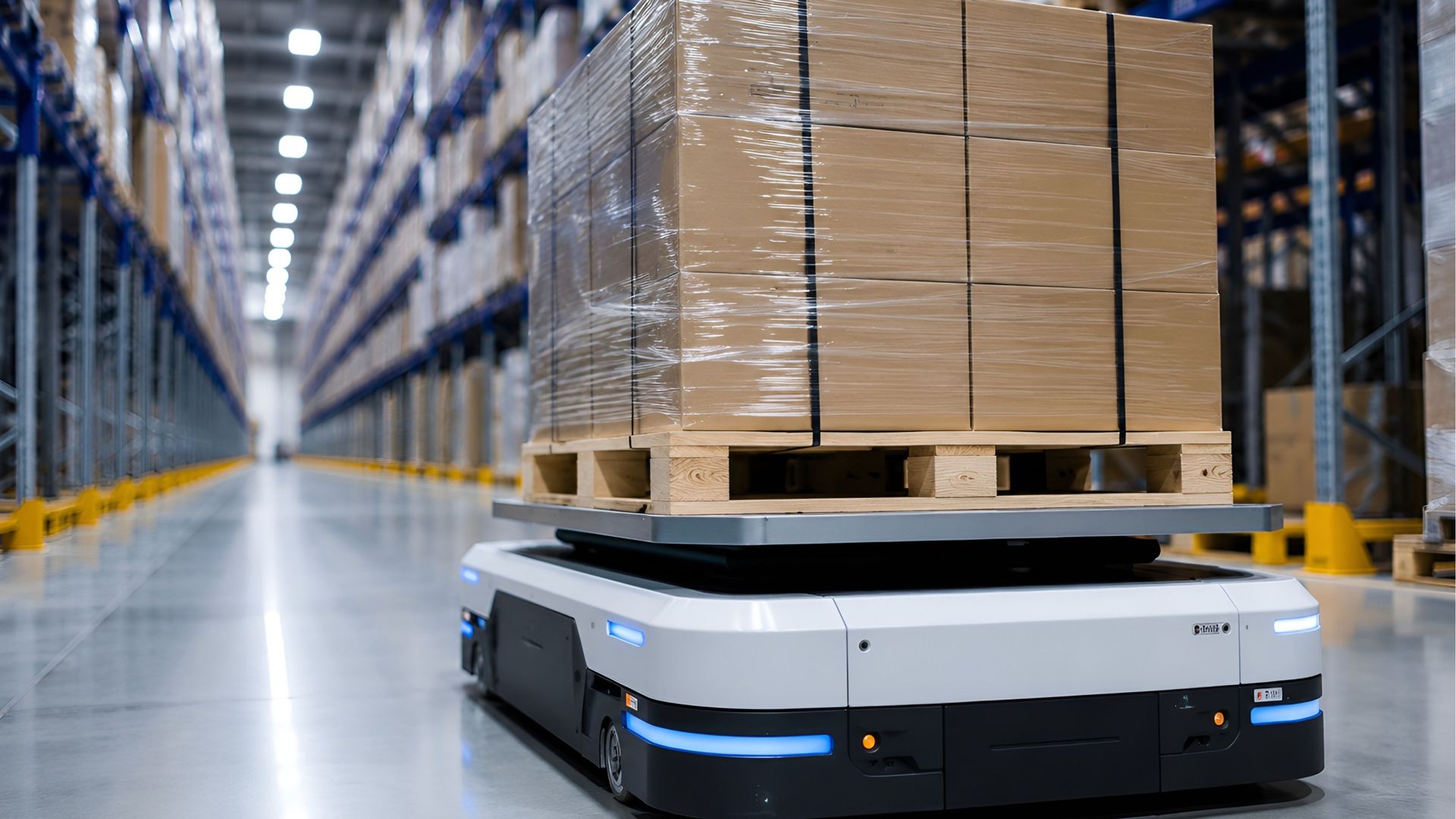
Utilising vertical height means your warehouse can store more. You just need to make sure those high-up items can be picked quickly and safely, whether with picking tools, robotics or ladder systems.


It's no exaggeration to say that storage is the heart of any warehouse. Shortcuts do nothing but shorten your customer list – so it's well worth investing time, money and energy into the right storage solutions for your brand.


Tools of the trade

No warehouse can run smoothly without the right tools. These vary from handling equipment such as trolleys and forklifts to portable packing tables, fire extinguishers and  personal protective equipment.


For your first warehouse, it can be best to start simple. One way to do this is by investing in modular equipment that can be added to later.


Exactly which pieces of equipment you choose will depend on the nature of your warehouse. Suffice it to say that these essential purchases can be the difference between a warehouse that gives customers what they want and one that doesn't.


Software

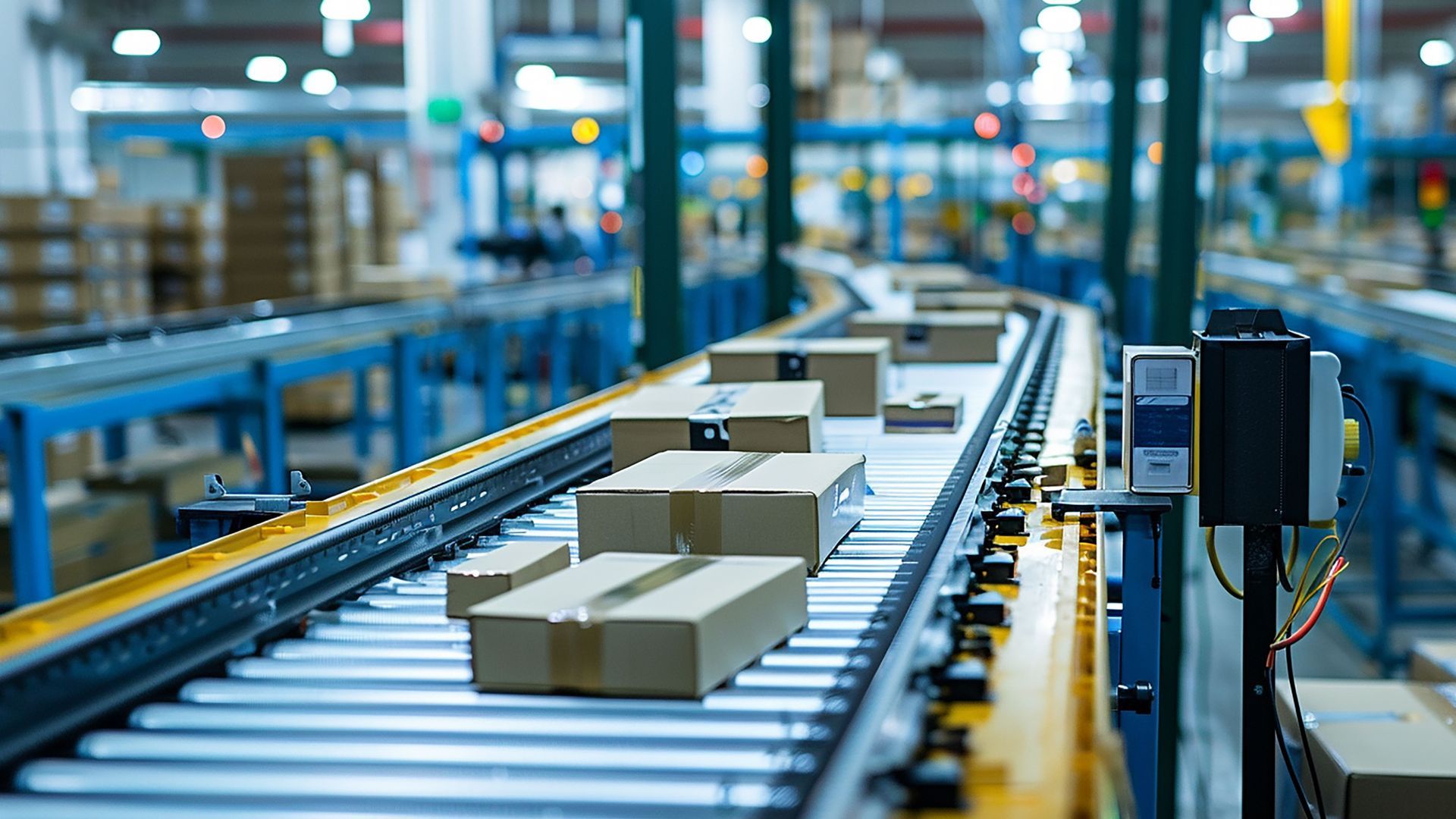
Warehouses have always embraced new technologies, from conveyor belts and robotic arms all the way to today's cloud-based warehouse management systems.


A warehouse management system (WMS) is a powerful piece of software. Choose a good one, and you'll get immediate and accurate insights into the location and delivery status of your inventory.


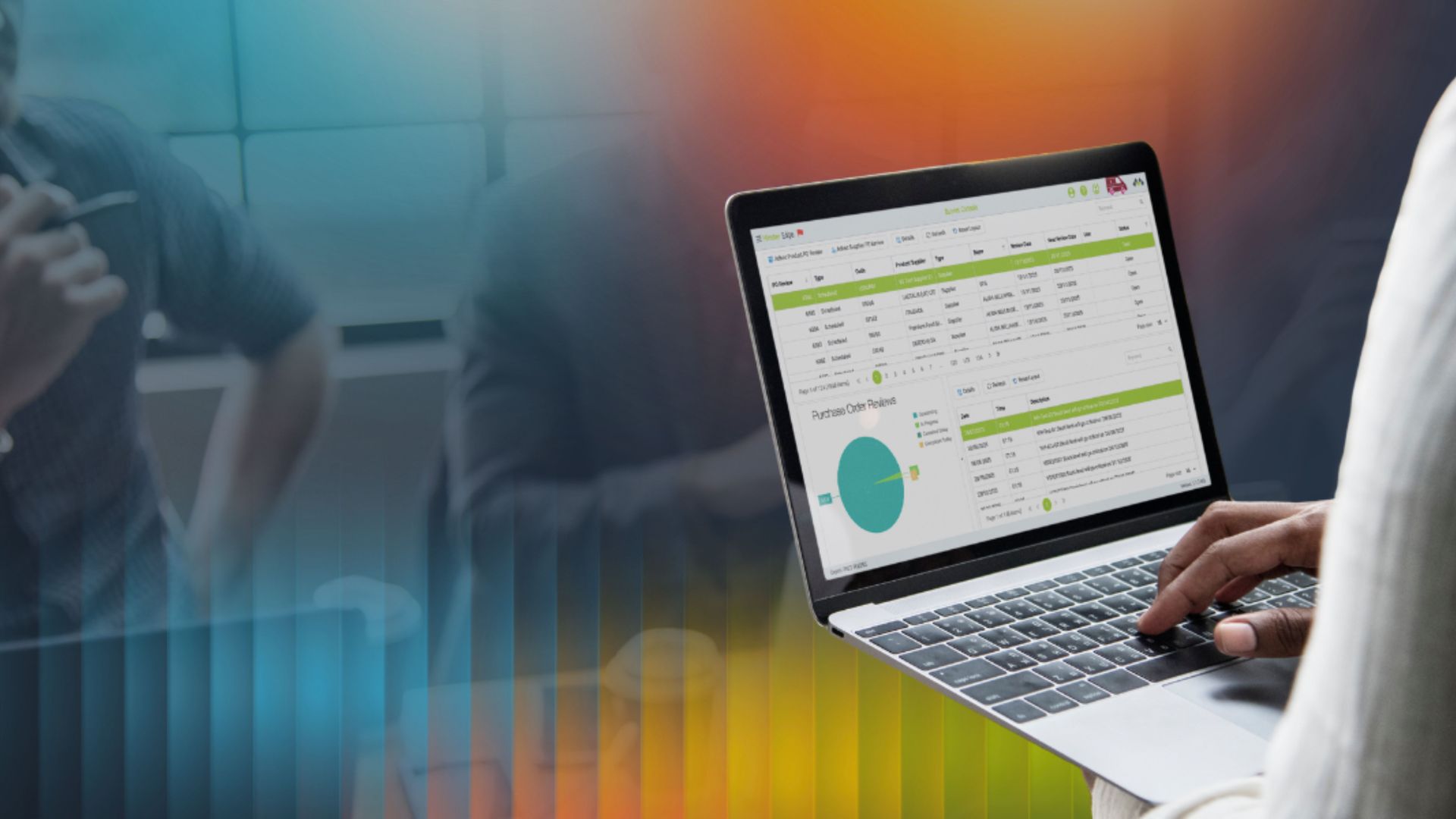
Picture of someone using Minster software in an office setting.

On top of this, a good WMS can generate data analytics reports within seconds. This helps warehouse managers make data-backed decisions with confidence and speed.


Perhaps best of all for a growing brand, a WMS can be integrated with barcode scanners or voice picking technology. These are invaluable tools for brands getting ready to fulfil more orders more quickly.


Space optimisation

So far, we've mainly talked about the warehouse as a place for goods and machines. But you don't need us to tell you that it's also a place for people.


That means it's equally important to optimise the space so people can use it efficiently and safely.


Aisles should be wide enough to accommodate staff. A one-way system can help create a workflow that actually flows. Meanwhile, placing popular items at a reachable height can ensure customer satisfaction without giving your team members aches and pains.


Space optimisation also involves leaving space aside for future use. Sometimes known as "flex space", these unused spaces are the promise of future growth – and an assurance that when it happens, you'll be ready to accommodate it.


When's the right time to set up your first warehouse?


The right time to set up your first warehouse is like the right time to propose: it all depends on the circumstances.


These circumstances vary. It could be that you're struggling to keep up with orders or are concerned about the safety of your team. These pain points are often more persuasive signs that it's time to move than hard-nosed financial metrics.


Whatever you do, planning is of the essence. Rushing into a new space will likely create more chaos than it prevents – so make sure you put aside time to plan, plan and plan some more.


Are you setting up a warehouse for the first time? CORE, our small warehouse management software, offers end-to-end visibility of all operations, unlocks valuable data insights and can be up and running in 24 hours. To learn more, book a free demo with our UK experts.

Recent Posts

Are you a warehousing business looking to solve the last-mile conundrum? Here are 5 technologies
by Simon Edward 18 May 2026
Are you a warehousing business looking to solve the last-mile conundrum? Here are 5 technologies that can help.
When data is fragmented, so is business. Discover what data transformation means
by Simon Edward 15 May 2026
When data is fragmented, so is business. Discover what data transformation means for system integration and how it can help drive efficiency.
Remote and hybrid working are becoming more and more common in many sectors.
by Simon Edward 8 May 2026
Remote and hybrid working are becoming more and more common in many sectors. So, how about warehousing?
What concrete steps can you take to improve customer satisfaction –
by Simon Edward 4 May 2026
What concrete steps can you take to improve customer satisfaction – and how can a warehouse management system help? Join us for a deep dive.
What management software is right for your business? Explore the pros, cons
by Simon Edward 1 May 2026
What management software is right for your business? Explore the pros, cons and differences between a WMS and an ERP.
What are the differences between voice picking and RF picking and which is best for your warehouse?
by Simon Edward 1 May 2026
What are the differences between voice picking and RF picking and which is best for your warehouse? Find out in our warehouse guide.
Looking to improve customer loyalty and boost sales?
by Simon Edward 27 April 2026
Looking to improve customer loyalty and boost sales? Explore the pivotal role that a customer-friendly returns policy can play.
No one said retail logistics management would be easy. Follow these 5 steps,
by Simon Edward 24 April 2026
No one said retail logistics management would be easy. Follow these 5 steps, however, and you can start to take charge and see results.
How do you know if your last-mile deliveries are up to scratch? Explore 10 KPIs to help
by Simon Edward 20 April 2026
How do you know if your last-mile deliveries are up to scratch? Explore 10 KPIs to help you separate fact from fiction.
Every warehouse needs a management system. Explore the pros and cons of cloud-based and on-premise
by Simon Edward 17 April 2026
Every warehouse needs a management system. Explore the pros and cons of cloud-based and on-premise systems to find out which is best for you.
Show More