
Last-mile delivery analytics: the most important KPIs to track
How do you know if your last-mile deliveries are up to scratch? Explore 10 KPIs to help you separate fact from fiction.

"Why is the last mile the hardest mile?"
So sang former Smiths frontman Morrissey in 1987. Fast forward to 2026 and it could be the sad refrain at many a warehouse across the land.
Last-mile delivery is important. It's the last leg of the journey from warehouse to customer. Get it right and you can count on customer satisfaction, loyalty and repeat custom. Get it wrong and you can count on… well, the opposite of all of the above.
It's important, but it's far from easy. Last-mile delivery is expensive, often accounting for more than half of a company's total shipping costs. It's also the part of the product journey most tied up with transport issues – from urban congestion to staggered rural stops.
And yet it's perhaps the part of the journey that customers most depend on. Accustomed as they are to speedy deliveries from high-street chains and big eCommerce brands, they're not going to be especially forgiving if you get something wrong.
There's no simple answer to the last-mile conundrum. But tracking key performance indicators (KPIs) can make a positive difference.
Why? Because KPIs are measurable, and they provide data that shows how close you are to your strategic goals. And because they're made of cold, hard data – not anecdotes and chatter – it's easier to ensure accountability within your team.
Here, then, are eight KPIs for last-mile delivery analytics to help you level up your logistics.
1. On-time delivery rate
Late deliveries mean dissatisfied customers. And if you work within a saturated field, you need to work extra hard to get those parcels delivered in a timely fashion.
Why? Because, as a rule of thumb, if someone can get your products elsewhere, they'll drop you in a heartbeat if it means a more convenient service. Tracking a concrete KPI can help stop this from happening.
2. First attempt delivery success rate

The world is full of busy people. It seems like we all have more tasks to complete than a millipede has legs. And we all have better things to do than worry about chasing deliveries that don't go to plan.
Yes, no one wants to organise redelivery. If a customer has to organise redelivery, they're unlikely to shop with you again. Improving your first attempt delivery success rate is one of the best things you can do to improve customer loyalty.
3. Cost per delivery
The last mile isn't just the hardest mile – it's also the most expensive. A concrete strategic goal is to bring down your cost per delivery rate.
You can do this in several ways: optimising packaging, negotiating carrier rates, improving route planning and increasing the efficiency of your warehouse operations.
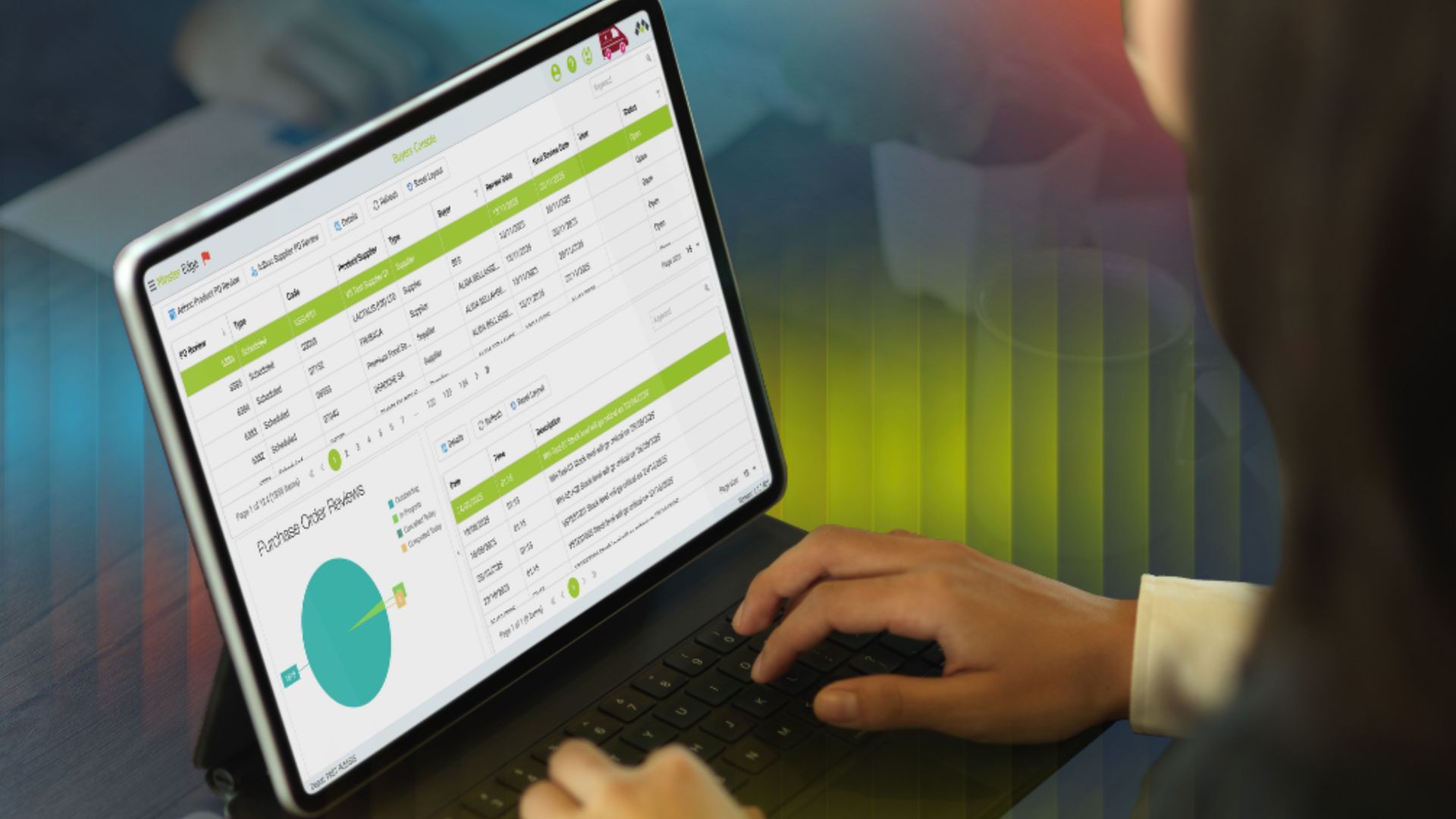
However you go about it, you need to be able to measure your progress. This is where a cost per delivery KPI can make a tangible difference – and with a
SaaS warehouse management system
(WMS), it's exceptionally easy to implement and track.
4. Customer satisfaction scores (CSATs)
Customer satisfaction is a key performance indicator. But all too often, it's not so much a KPI as a vague vibe based on a recent negative review or returned parcel.
This is where CSATs come in. Asking customers for specific feedback via surveys is data that you can use to track customer satisfaction. And luckily for you, it's never been easier to set up and automate surveys.
5. Order accuracy rate
In the context of last-mile logistics, order accuracy covers a couple of things: first, the contents of the package and secondly, its destination.
If your company deals with fast-moving or complex SKUs, picking errors are far from impossible. There are steps you can take to remedy this, from investing in a decent WMS to providing more training or staff feedback.
However you slice the carrot, you need to know whether progress is being made. Introducing order accuracy rate as a KPI is a concrete and measurable way to achieve this.
6. Route efficiency
Part of the challenge of last-mile delivery is that it involves lots of drop-offs, whether to people's homes, business premises, lockers or some combination of the three.
It gets especially knotty in rural areas, where drop-offs are spread out. But it's far from a doddle in urban environments where congestion is to vehicles what water is to fish.
Improving your route efficiency involves planning. Don't let that planning evaporate in a cloud of good intentions. Instead, set a KPI and follow its progress over a fixed period of time.
7. Vehicle space optimisation
There's a reason why so many restaurants use services like Deliveroo and Uber Eats to deliver their food – and why those couriers are often on bikes. This is because it costs far less to have someone deliver a few orders on a bike than to deliver a few orders in a car or van.
It's an example of vehicle space optimisation – but vehicle space optimisation isn't just a case of swapping one vehicle for another.
Another option is to load the vehicles you have more intelligently.
Whatever path you take, a WMS can help you track vehicle space optimisation with just a few clicks of the mouse, helping you achieve a strategic goal without breaking the bank.
8. Damage claims
Sometimes, products arrive damaged. The issue might be traced back to the driver or a member of warehouse staff. Unfortunately, the person responsible will always be you – and you'll feel it in the form of a negative review or lost customer.
Keeping damage claims to a minimum is an essential part of optimising last-mile deliveries. One of the best ways to keep those numbers down is to set a target and track its progress with a KPI.
At Minster WMS, we specialise in quick-to-deploy, cloud-based warehouse management solutions with a highly capable last-mile delivery solution built in. Want to make last-mile delivery more efficient, more accurate and more measurable? Book a demo with our experts today.