WMS vs ERP: pros, cons and differences explained

Simon Edward • 1 May 2026

Share this article

What management software is right for your business? Explore the pros, cons and differences between a WMS and an ERP.


What management software is right for your business? Explore the pros, cons and differences between a WMS and an ERP.

To specialise or not to specialise: that is the question. It's one that affects many aspects of business life, from the inventory you stock to the software you deploy.


In the case of software, managers are often faced with a toss-up between two philosophies. Should they choose specialised software solutions for individual tasks? Or should they shoot for a "single source of truth" – that almost religious-sounding vision of a centralised piece of software that manages all tasks.


In the red corner are those who want granular control over a particular area of their operations: finance, say, or human resources.


And over in the blue corner are those who want one ring to rule them all – namely, a centralised system that manages all departments.


In practise, businesses often meet in the middle, combining centralised control with specialised tools.


It's a question that often arises in the context of warehouse management. What's better: a single piece of software that handles warehousing along with finance, HR and the rest, or specialised warehouse management software?


The answer, of course, depends on your business's requirements. These will determine which fork in the road you follow. That could be:


  • A warehouse management system (WMS)
  • An enterprise resource planning (ERP) solution
  • A combination of the two

To help you decide, we first need to establish what a WMS and an ERP do – and how they differ.

What are the differences between a WMS and an ERP?

A WMS is a specialised piece of software designed to optimise day-to-day warehouse operations – from picking to packing to dispatch. Whether on-premise or cloud-based, it gives you end-to-end visibility into all links in the stretch of supply chain you cover.

By contrast, an ERP is a broad and centralised system that manages all business departments. This often includes basic warehouse management – although some larger companies will have an ERP and a WMS in place.

Choosing between the two isn't entirely straightforward. The simplified version, however, is that a WMS excels at granular, real-time warehouse management, whereas an EPR is geared towards business-wide data integration and strategic planning.

What are the pros and cons of an ERP?

Advantages


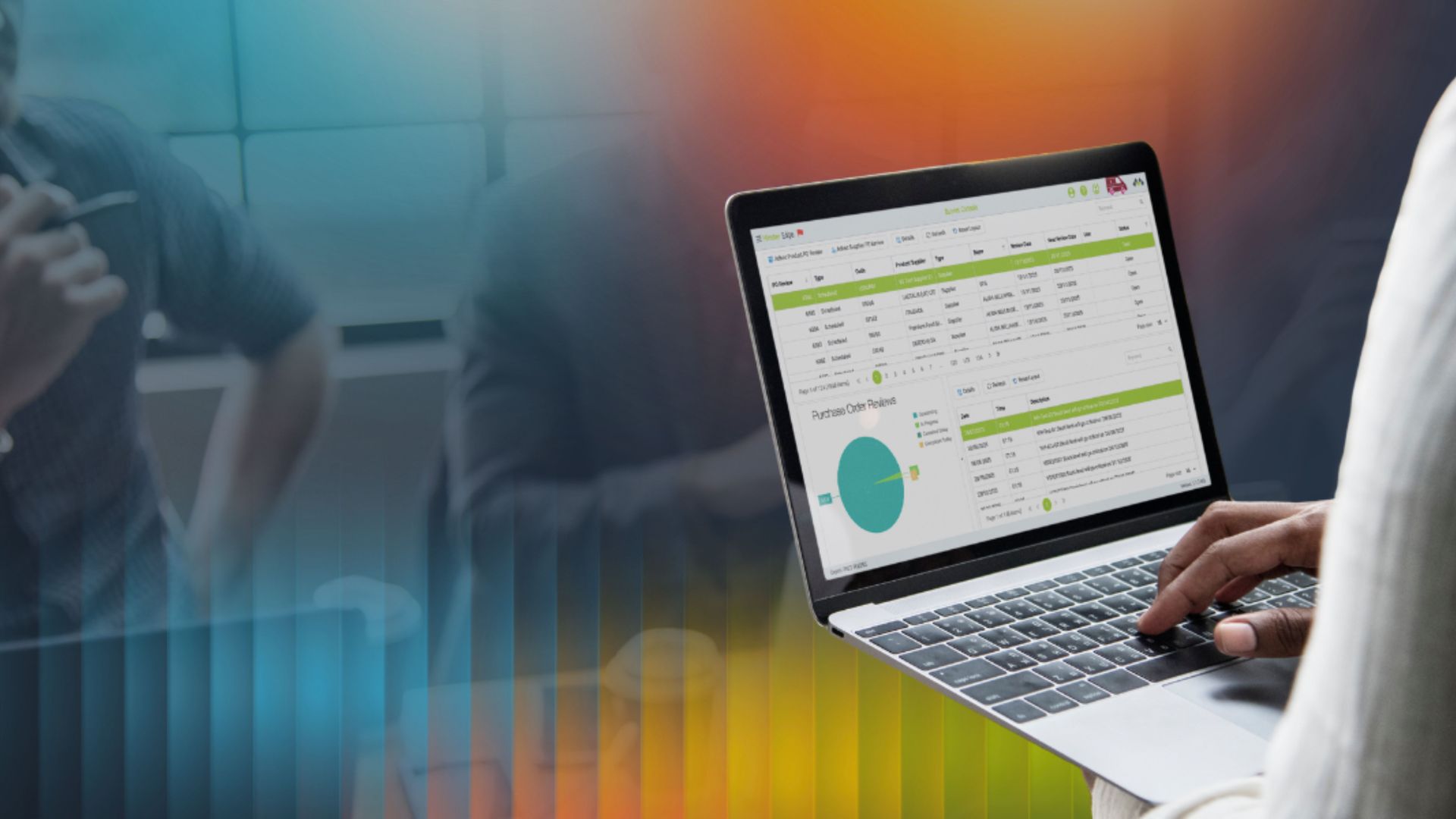
Picture of a man looking at data.

The key advantage of an ERP is that it centralises information and acts as a repository for all your data and processes. This helps you monitor data and improves inventory accuracy.

Core tasks can be automated, reducing manual data entry and streamlining complicated workflows. And because the software acts as a "single source of truth", data can be quickly and easily shared across departments, helping you avoid data silos.


Modern systems – especially cloud-based ones – allow for easy scalability. If you're looking to grow or run a business prone to seasonal dips and spikes, this can simplify the process of matching capacity to demand.


The final advantage is that an ERP allows for real-time reporting and data analytics. Managers can access real-time insights into all aspects of business operations, informing decision-making and allowing for granular financial tracking and inventory management.


Disadvantages

These advantages are balanced out by some significant drawbacks. First, there's the question of cost. Licensing, implementation, training and maintenance all require significant and ongoing costs.


Implementation can be a long and winding process that, in some instances, can lead to disruptions and discontinuity. This can present a problem if your business needs to be highly responsive and speedy.


If you switch to an ERP, there's a far from negligible chance that staff will resist the new way of working. This can be countered with training and clear lines of communication – but in the meantime, it can dent your productivity.


And finally, an ERP is a jack of all trades and a master of none. While many ERPs include basic warehouse management functionality, none will offer the granular control of a specialised WMS.

What are the pros and cons of a WMS?

Advantages

A WMS can optimise all aspects of your warehouse operations. It can enhance your inventory tracking, accelerate order fulfilment and reduce missed and mistaken deliveries.

If you go for a cloud-based solution, many systems are easy to install and easy to learn how to use. With our CORE warehouse management system for small businesses, for instance, the software can be up and running in a single day. 

And when it's time to scale up (or down), the process couldn't be easier. Capacity can be increased with just a few clicks.


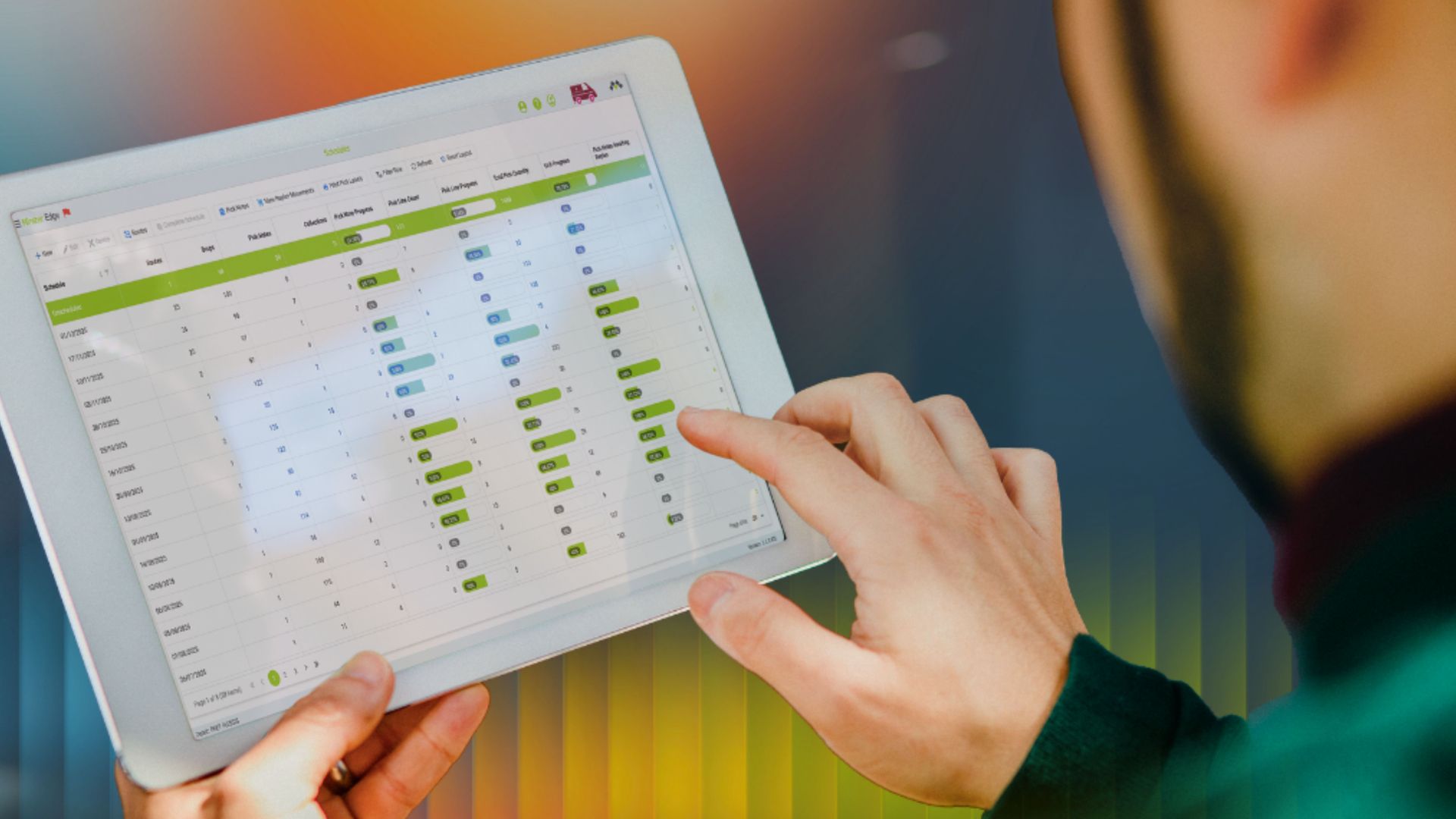
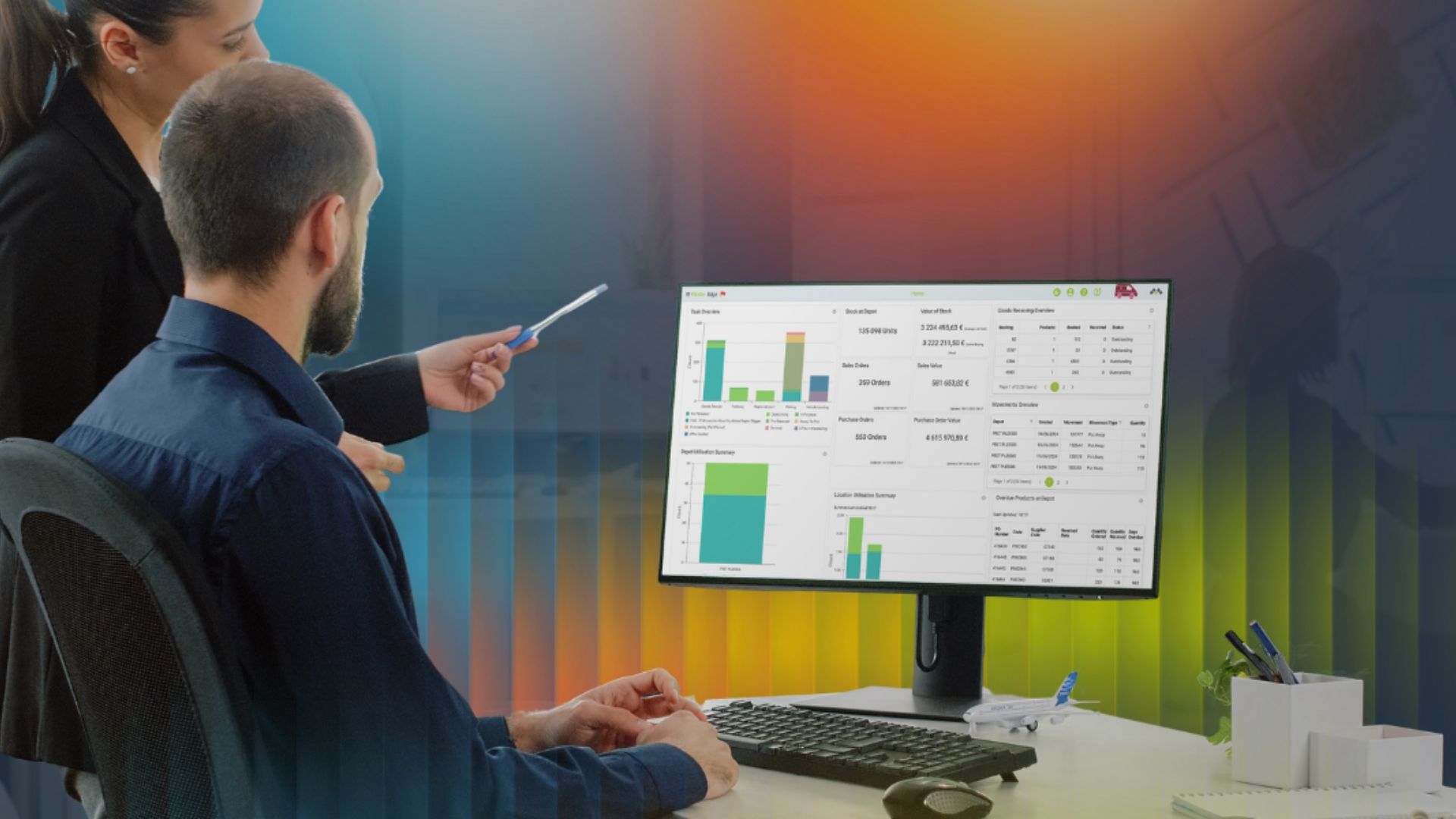
Picture of someone using Minster software in an office.

Finally, a good WMS can generate real-time reports based on accurate data in seconds. This can furnish you with valuable insights into warehouse layout optimisation, customer satisfaction and more.


Disadvantages

If you're looking for a one-size-fits-all solution, a WMS won't cut the logistical mustard. A good modern WMS will handle a whole spectrum of warehousing functions, from goods in to reverse logistics.


However, these systems are, by their nature, specialised for warehousing – unlike an ERP, they can't help you with finance, HR or project management.


One option is to integrate your WMS with a single ERP or several specialised systems. Some warehouse management systems make integration difficult. A good vendor, however, will make this process speedy and easy.


Finally, certain drawbacks relate specifically to on-premise warehouse management systems. In contrast to cloud-based systems, these can be expensive to implement and maintain. And if you want to scale up or down, you'll be faced with downtime as you physically replace your system.


Which is right for you?

Choosing between a WMS and an ERP depends entirely on your business requirements.

If you're a small-to-medium-sized business in search of an all-in-one system for accounting, sales, HR and inventory, an ERP is the way to go. This will give you centralised control over financial reporting, procurement, demand planning and more.

The more complex your inventory, however, the more you should consider a WMS. High-complexity and high-volume inventories with multiple SKUs and multiple locations need a specialised management solution. The alternative is bottlenecks and customer dissatisfaction.

A WMS will give you real-time, end-to-end visibility into picking, packing and dispatching and can be integrated with existing tech such as barcode scanners and voice-picking headsets.

It's worth remembering, however, that combining an ERP with a WMS is a viable option, especially if your business is on the bigger side.

In this scenario, your ERP manages company finances while your WMS handles warehouse tasks. The WMS then feeds accurate, real-time data back into the ERP.

Based in the UK, Minster WMS has been developing software to improve business efficiency and accuracy since 1978. Are you looking for highly capable, end-to-end warehouse management software solutions? Our experts are ready to help. Book a demo today to see how our systems can start transforming your warehouse operations from day one.

Recent Posts

What are the differences between voice picking and RF picking and which is best for your warehouse?
by Simon Edward 1 May 2026
What are the differences between voice picking and RF picking and which is best for your warehouse? Find out in our warehouse guide.
Looking to improve customer loyalty and boost sales?
by Simon Edward 27 April 2026
Looking to improve customer loyalty and boost sales? Explore the pivotal role that a customer-friendly returns policy can play.
No one said retail logistics management would be easy. Follow these 5 steps,
by Simon Edward 24 April 2026
No one said retail logistics management would be easy. Follow these 5 steps, however, and you can start to take charge and see results.
How do you know if your last-mile deliveries are up to scratch? Explore 10 KPIs to help
by Simon Edward 20 April 2026
How do you know if your last-mile deliveries are up to scratch? Explore 10 KPIs to help you separate fact from fiction.
Every warehouse needs a management system. Explore the pros and cons of cloud-based and on-premise
by Simon Edward 17 April 2026
Every warehouse needs a management system. Explore the pros and cons of cloud-based and on-premise systems to find out which is best for you.
Looking to grow your eCommerce business? Discover actionable insights from some of the world's faste
by Simon Edward 10 April 2026
Looking to grow your eCommerce business? Discover actionable insights from some of the world's fastest-growing websites.
A cloud-based warehouse management system must be highly secure. Find out
by Simon Edward 7 April 2026
A cloud-based warehouse management system must be highly secure. Find out what you need to know before investing in a solution.
Want to take your warehouse-based business into the fast lane? Find out how
by Simon Edward 30 March 2026
Want to take your warehouse-based business into the fast lane? Find out how a WMS can support your digital transformation.
What's the best warehouse management system for your business? Explore your options
by Simon Edward 27 March 2026
What's the best warehouse management system for your business? Explore your options in our no-nonsense guide.
Don't know your FIFO from your LIFO? Get to grips with essential warehouse management terminology
by Simon Edward 23 March 2026
Don't know your FIFO from your LIFO? Get to grips with essential warehouse management terminology in our glossary.
Show More