How to reduce the cost of product returns

Simon Edward • 7 September 2026

Share this article

Are you wasting money on product returns? Learn concrete steps to reduce costs and improve efficiency.


Are you wasting money on product returns? Learn concrete steps to reduce costs and improve efficiency.

Returns are an essential part of the customer journey. Done right, they can turn a frustrated buyer into someone willing to give you a second chance. This protects your reputation, reduces negative online feedback and helps you retain customers.

Product returns happen for all sorts of reasons. The most common are packaging errors, defects, damage or a change of heart on the customer's part.


Whatever the reason, they cost money. Staff must spend valuable time inspecting incoming parcels, processing refunds and managing customer complaints. Budgets get eaten into by new packaging, relabelling and transportation.


So, how do you make returns work for you? There are two sides to this. The first is to prevent returns in the first place. The second is to streamline your reverse logistics processes.

In this article, we explore the ways you can achieve these twin goals.

Tell the customer what they need to know

Some returns happen because the customer changes their mind. But often, they're on you – and that tends to be because of insufficient information at checkout.


Reducing the cost of product returns involves making your product data as accurate as possible. That means customers know what they're getting and are less likely to send the item back.


This involves adding precise dimensions, weights, colour descriptions and high-quality photos and videos. With clothes and footwear, it involves furnishing the buyer with sizing charts, measurement guides and even try-on tools.


Reviews play their part, too. Customer reviews and user-generated photos help other shoppers know what they're buying.


You can also minimise the chance of returns by sending automated customer emails with essential setup information, care instructions and product tutorials.


These steps take time. But the time investment reaps rewards in the long run. By minimising the likelihood of returns in the first place, you minimise the money spent processing them.


Optimise day-to-day operations

Educating the customer is an important way of reducing the cost of product returns. But it's equally important to bake reverse logistics best practices into your day-to-day operations.


One way to do this is to offer alternatives to a straightforward return. Customers can be invited to swap products. If a customer buys the wrong-sized hat, for instance, you could give them a like-for-like replacement in the right size. This means you hold on to revenue and keep their custom.


When aiming to reduce the cost of product returns, data is your friend. If you track the reasons why products are returned, you can take fact-based steps to address the problem at the root. This emphasis on data-driven decision-making is one of the key benefits of upgrading your WMS.


If shipping damage is a recurring complaint, you can invest in sturdy, well-fitting packaging. This also stops you from wasting money on incorrectly sized packaging.


Sometimes, buyers will ask to return a low-value item. In this case, it can be better to offer a simple refund without a return.


Finally, you should treat returns with the same accuracy and attention as standard fulfilment. By optimising picking accuracy and increasing inventory visibility, you reduce the chance of sending the wrong item.


In many of these cases, a WMS can help. Here's how. 

How can a WMS help reduce the cost of product returns?


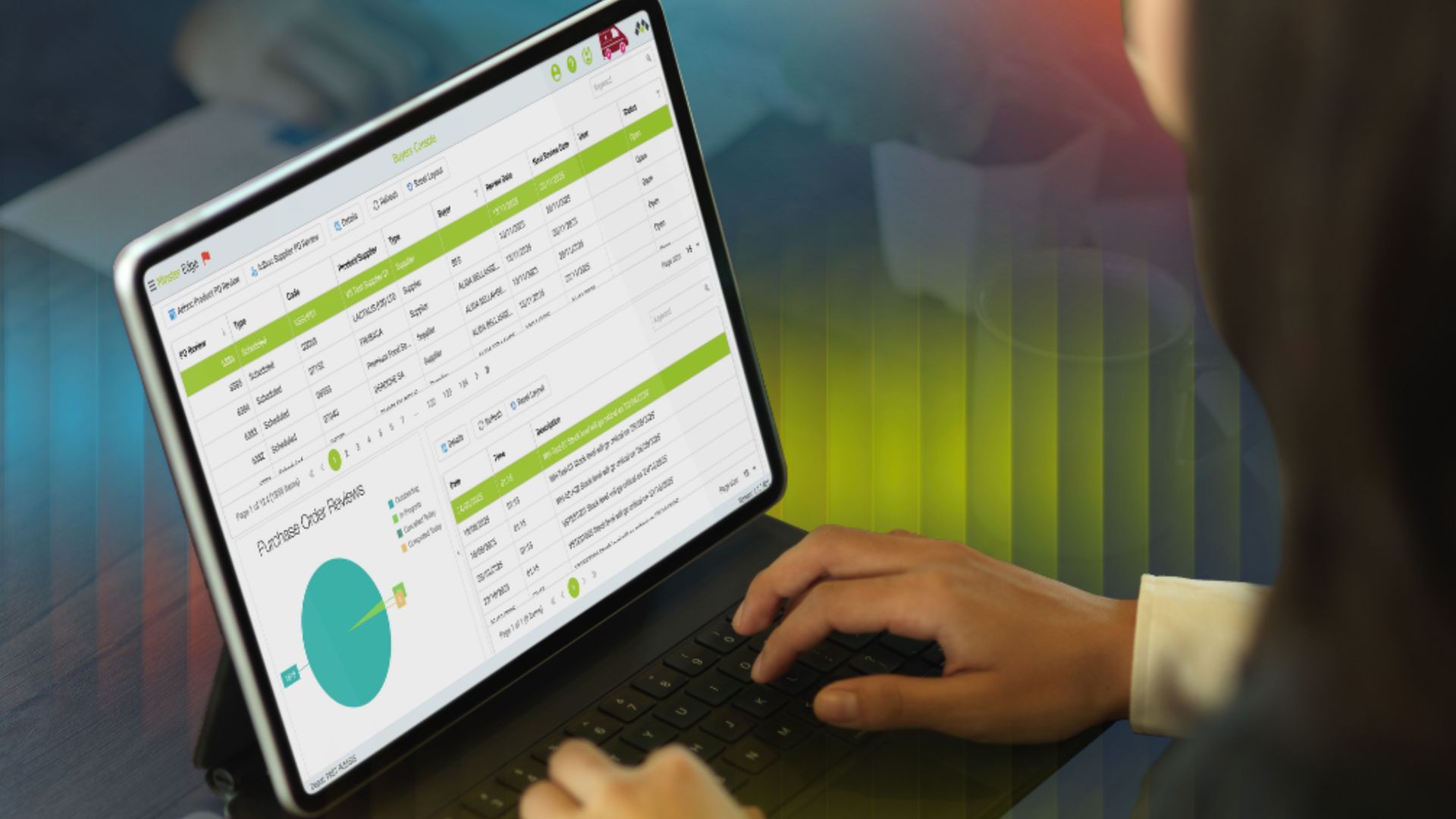
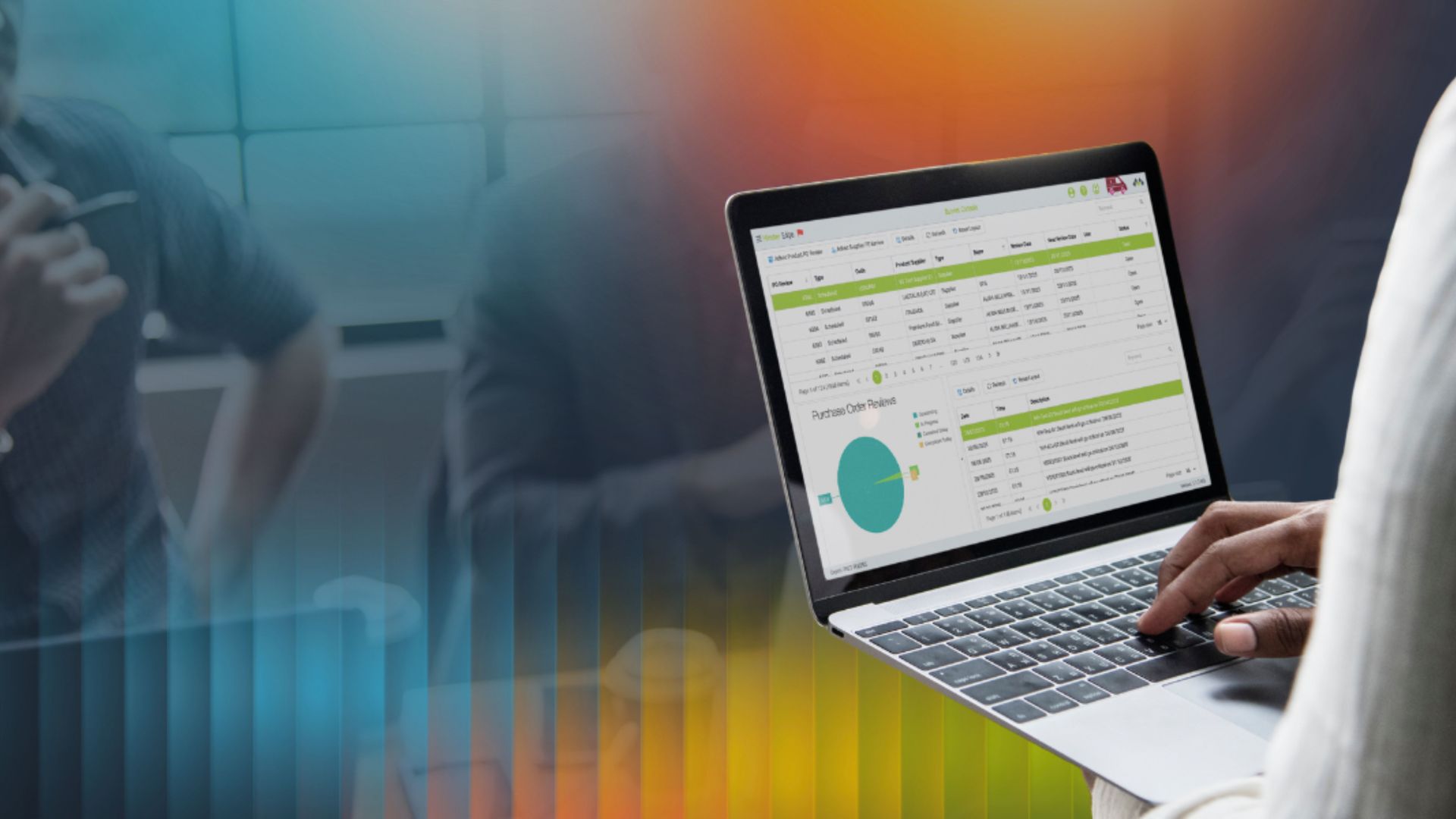
Picture of someone using Minster software.

A warehouse management system (WMS) is a piece of software that logs and tracks daily warehouse operations.  It gives you real-time, round-the-clock visibility into your inventory, helps reduce human error and speeds up order fulfilment without compromising accuracy.

And the good news is that all these benefits apply to product returns. A good cloud-based WMS will do double duty as a robust returns management system. It will help you automate receiving and putaway, speed up item inspections and quickly restock items. That means you end up spending less money on returns – and frustrating fewer customers.


A WMS can be integrated with barcode scanners and voice-picking systems. These make it a doddle to log an item on the system, eliminating the time spent on manual data entry and reducing human error in the process.


The same goes for the inspection and categorisation of returned products. A voice picking system can guide staff through inspection steps to accelerate the sorting process. Restocking, too, can be made faster and more accurate.


Another key benefit of a WMS for product returns is its use of data analytics. With a few clicks, you can generate a report on the main causes of returns.


It may be that most returns are due to spotty product descriptions, shipping errors or product damage. With cold, hard data at your disposal, you're in a much better position to make proactive changes and improve the buyer experience.


And, of course, the fewer returns you have to process, the less you have to spend. Streamlining your returns process makes for happier customers and healthier profit margins. Win-win!


How we can help

Here at Minster WMS, we provide cutting-edge cloud-based warehouse management systems to warehouse leaders across a range of sectors.


We have two solutions: CORE and EDGE. Both provide end-to-end inventory visibility and can increase accuracy up to 99.98%. EDGE, our enterprise offering, can be customised for greater administrative control.


These are essential tools for reducing the cost of product returns. By giving you more control, more visibility and more accuracy, you significantly reduce the possibility of sending out the wrong item in the first place.


When products are returned, the putaway process is faster and easier. What's more, you can quickly identify the root causes of returns without calling in the consultant, generating actionable data in a heartbeat.


So if you're looking to cut the costs of product returns, we can help. Get in touch today to book a free, no-obligation demo with our UK team.


Recent Posts

Do you know your AMR from your AGV? Explore the pros and cons of these types of warehousing robots.
by Simon Edward 4 September 2026
Do you know your AMR from your AGV? Explore the pros and cons of these types of warehousing robots.
Are you setting up an eCommerce business? You've got a lot of hard thinking to do.
by Simon Edward 31 August 2026
Are you setting up an eCommerce business? You've got a lot of hard thinking to do. Here are 10 questions to boost your chances of success.
What is fleet management and why does it matter? Learn the ABCs of fleet management,
by Simon Edward 28 August 2026
What is fleet management and why does it matter? Learn the ABCs of fleet management, including key challenges and technological solutions.
How is AI changing warehouse management? Explore the developments, benefits and challenges
by Simon Edward 24 August 2026
How is AI changing warehouse management? Explore the developments, benefits and challenges of this game-changing technology.
Warehouse mistakes cost money. But how much – and how can a warehouse management system help you
by Simon Edward 21 August 2026
Warehouse mistakes cost money. But how much – and how can a warehouse management system help you save?
Would your business benefit from customising WMS integrations? Explore your options and common use
by Simon Edward 17 August 2026
Would your business benefit from customising WMS integrations? Explore your options and common use cases in our industry guide.
There are different approaches to system integration – and each comes with pros and cons. Explore 4
by Simon Edward 14 August 2026
There are different approaches to system integration – and each comes with pros and cons. Explore 4 common system integration methods.
Are you looking for ways to optimise your FMCG warehousing operations? Explore 9 strategies
by Simon Edward 10 August 2026
Are you looking for ways to optimise your FMCG warehousing operations? Explore 9 strategies in our industry guide.
Are you shopping around for warehouse storage? Discover the benefits and considerations
by Simon Edward 7 August 2026
Are you shopping around for warehouse storage? Discover the benefits and considerations that come with 8 common warehouse racking systems.
Are you an SME looking for a WMS? Explore 6 reasons why deployment time matters
by Simon Edward 31 July 2026
Are you an SME looking for a WMS? Explore 6 reasons why deployment time matters when weighing up your options.
Show More