What is fleet management in logistics?
What is fleet management and why does it matter? Learn the ABCs of fleet management, including key challenges and technological solutions.

Logistics is all about getting things from A to B. But in today's world, the journey from A to B isn't a single straight line. Instead, it involves a complex infrastructure of warehouses, couriers, suppliers, paperwork and more.
Each link in the chain matters. If one fails, the customer won't get their order in good condition and in good time.
Fleet management is an essential part of the process. It involves overseeing and managing a company's vehicles to ensure goods are transported safely, efficiently and cost-effectively.
Important aspects of fleet management include vehicle management and maintenance, staff management, route planning and regulatory compliance.
It's a complex field. So, it's perhaps no wonder fleet managers embrace the latest technology to optimise their operations.
These days, this has led to increasing usage of cloud-based fleet management solutions – often integrated with SaaS logistics software – and AI.
In this article, we explore fleet management: what it is, how it works and the technologies managers use to help it go smoothly.
What is fleet management?
Fleet management is all about ensuring a company's vehicles are working and delivering the goods, both literally and figuratively.
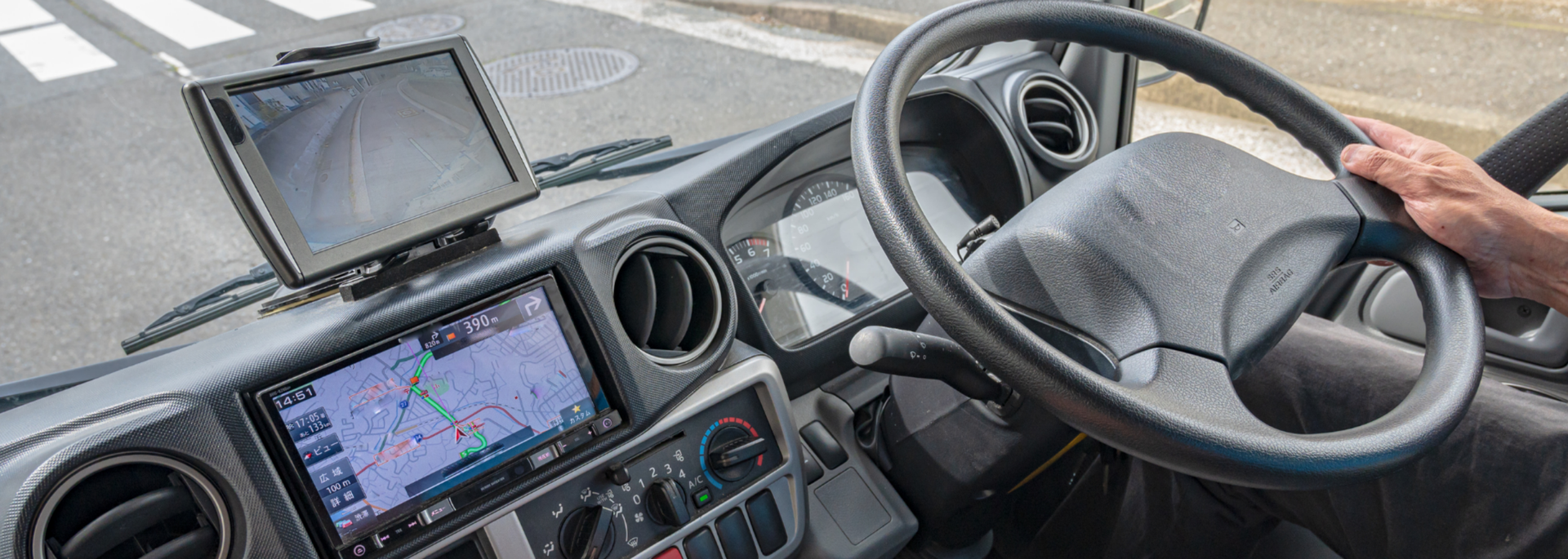
Fleet managers will have vehicle tracking systems in place. They use GPS and telematics to monitor real-time locations and vehicle speeds.
Fuel costs money, and prices are volatile. That means fleet managers prioritise route optimisation – getting goods where they need to be with optimal efficiency. They also track fuel usage, identifying inefficiencies and areas for improvement.
As well as maintaining routes, vehicles must be maintained. After all, breakdowns, vehicle replacements and unexpected maintenance all interfere with day-to-day deliveries. That means fleet managers must schedule routine servicing and repairs.
Drivers need to be managed. This involves tracking driver performance, assessing their safety in the driver's seat and ensuring they're adequately trained for the job.
Logistics is a heavily regulated industry. For this reason, fleet managers must ensure their vehicles and drivers are compliant, meeting legal requirements for inspections, licences, insurance and safety.
Finally, vehicles are assessed for their usage. Idle time costs money, so fleet managers assess how much vehicles are used as part of a broader focus on productivity.
What are the challenges of fleet management?
Fleet managers face five main challenges. These overlap but must be tackled individually – sometimes through people management and sometimes through technological solutions. They are:
- High operational costs – in particular, fuel and maintenance
- Regulatory compliance around driver safety
- Recruitment and retention
- Route optimisation
- Improving the environmental performance of a fleet
It's not easy. But with the right approach, these problems can be significantly reduced.
Why is fleet management important?
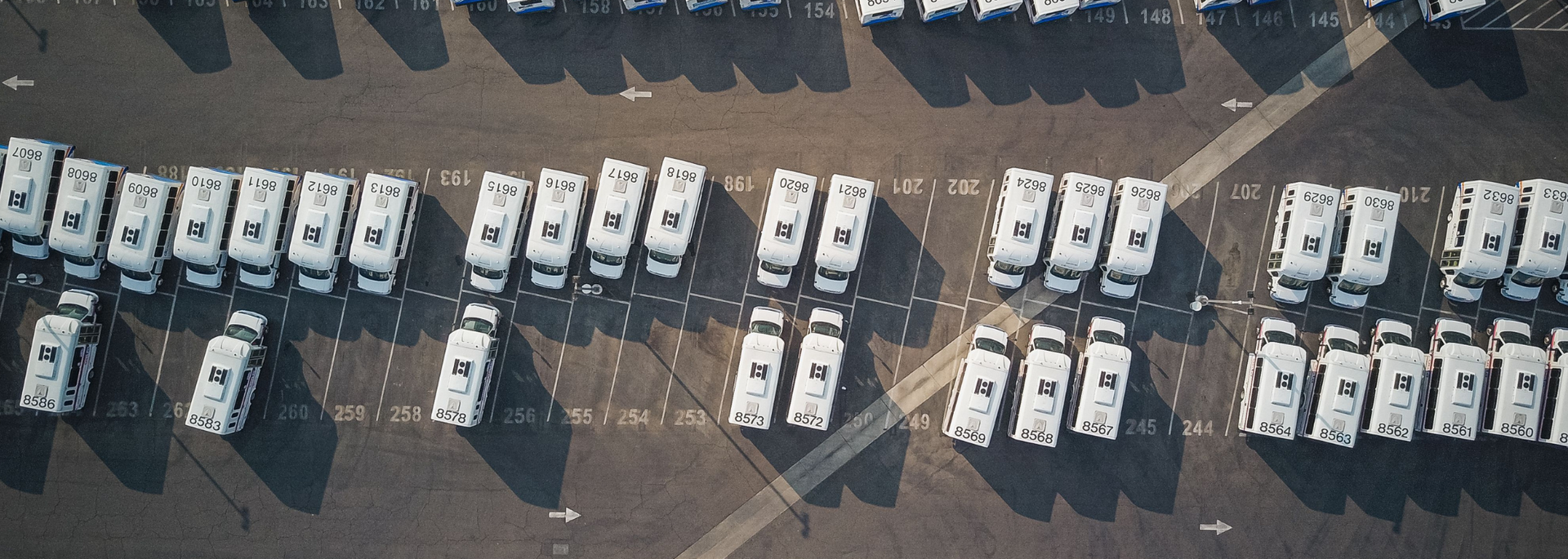
Perhaps the best way to demonstrate the importance of fleet management is to imagine a hypothetical eCommerce company. It's called Koala Commerce, and it has 80 vans in its fleet.
Take fleet management out of the equation, and Koala Commerce has to deal with inefficient routes and unpredictable fuel costs.
They waste time and money on customer complaints and returns because items aren't arriving on time. What's more, they're losing time – and, again, money – when vehicles break down out of the blue or need an emergency repair.
With effective fleet management, these problems are replaced with efficiency, productivity, preparedness and, above all, visibility.
These granular improvements have two big-picture knock-on effects for Koala Commerce. First, customers are happy. And secondly, management can see the savings it's making through a well-managed fleet.
On top of this, drivers stay safe, the company doesn't fear the fell hand of compliance, and all relevant environmental and regulatory requirements are met.
That's how fleet management works. So, what technologies do fleet managers use to make it a reality?
What technologies are used for fleet management?

Modern fleet management systems are often rich in technological fixes. These range from household names like GPS tracking and dashcams to more niche solutions.
At the niche end are specialist solutions like fleet management software, electronic logging devices (ELDs) and fuel card integration.
And like pretty much every industry under the sun, fleet managers are exploring how AI can be used – in this case, to optimise routes and other essential day-to-day tasks.
But how about a cloud-based warehouse management system (WMS)? While no system provides a like-for-like replacement for fleet management software, a good one can replicate some of its most important features. It can also contribute to the overall accuracy, productivity and visibility of your essential operations.
How we can help
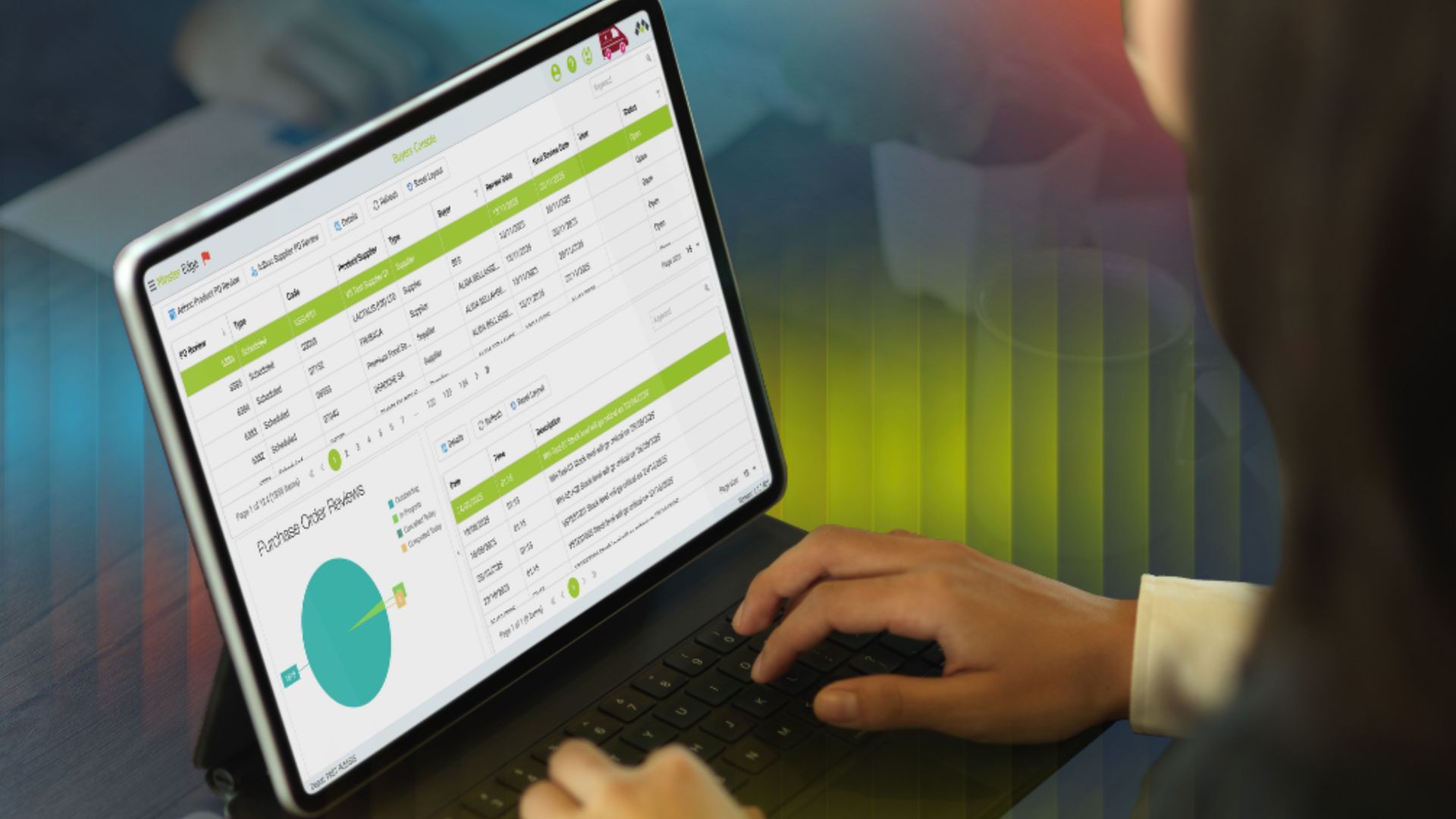
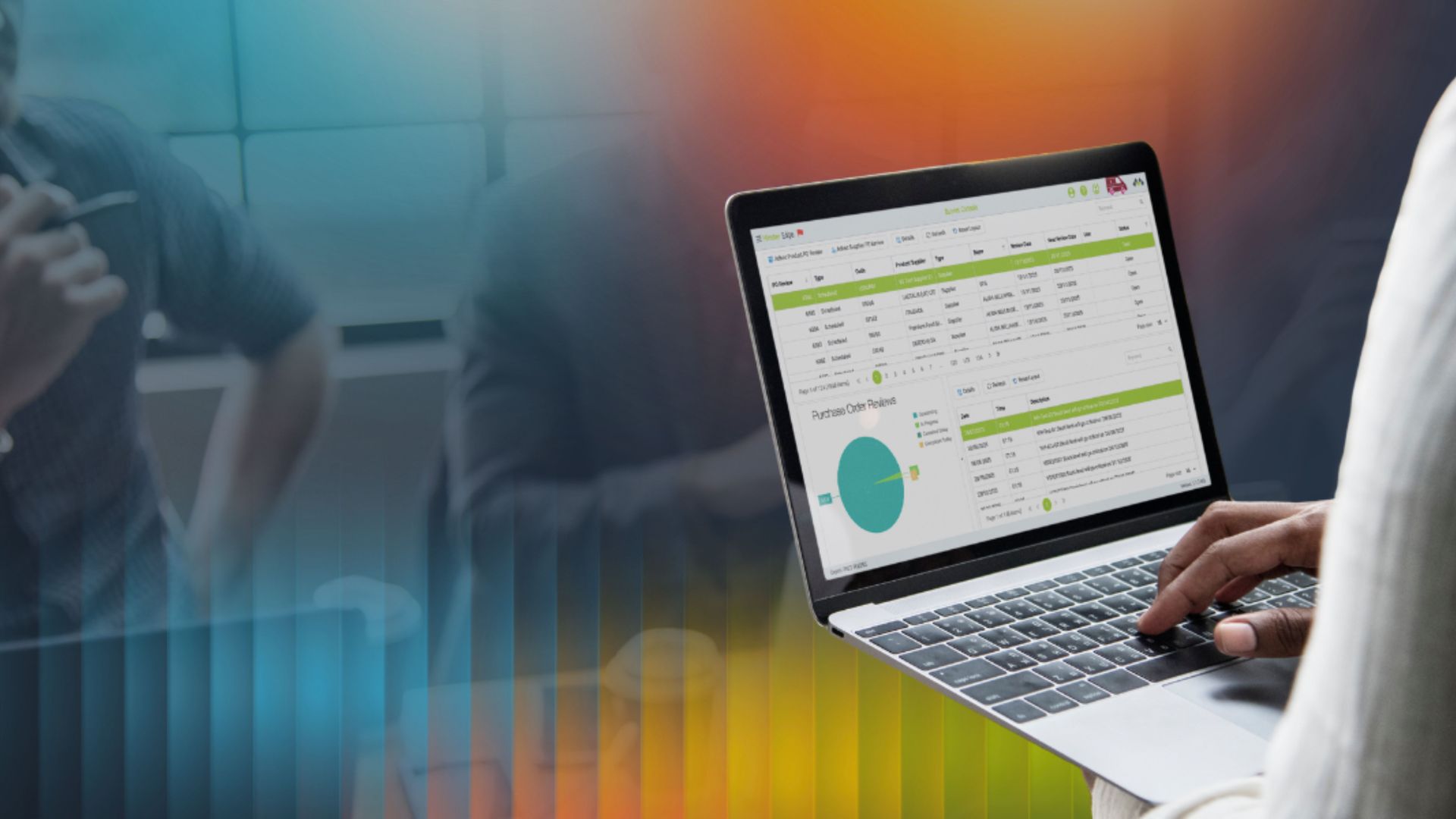
Our WMS solutions CORE and EDGE aren't specifically designed for fleet management. Out of the box, they're all-rounders – built to improve efficiency and accuracy across all warehouse functions.
That's why we've included several features that can improve your fleet management and logistics operations. That includes:
- Electronic proof of delivery (EPoD)
- Voice-controlled marshalling and loading
- Vehicle routing
- In-cab management
- Paperless delivery
- Dashcam integration
- GPRS tracking
- GPS navigation
Want to learn more? View a full list of transportation features baked into CORE and EDGE.
What's more, you can integrate fleet management software with the WMS seamlessly. This gives you all the advantages of a fleet management system with the fundamentals of a WMS.
What is the future of fleet management in logistics?
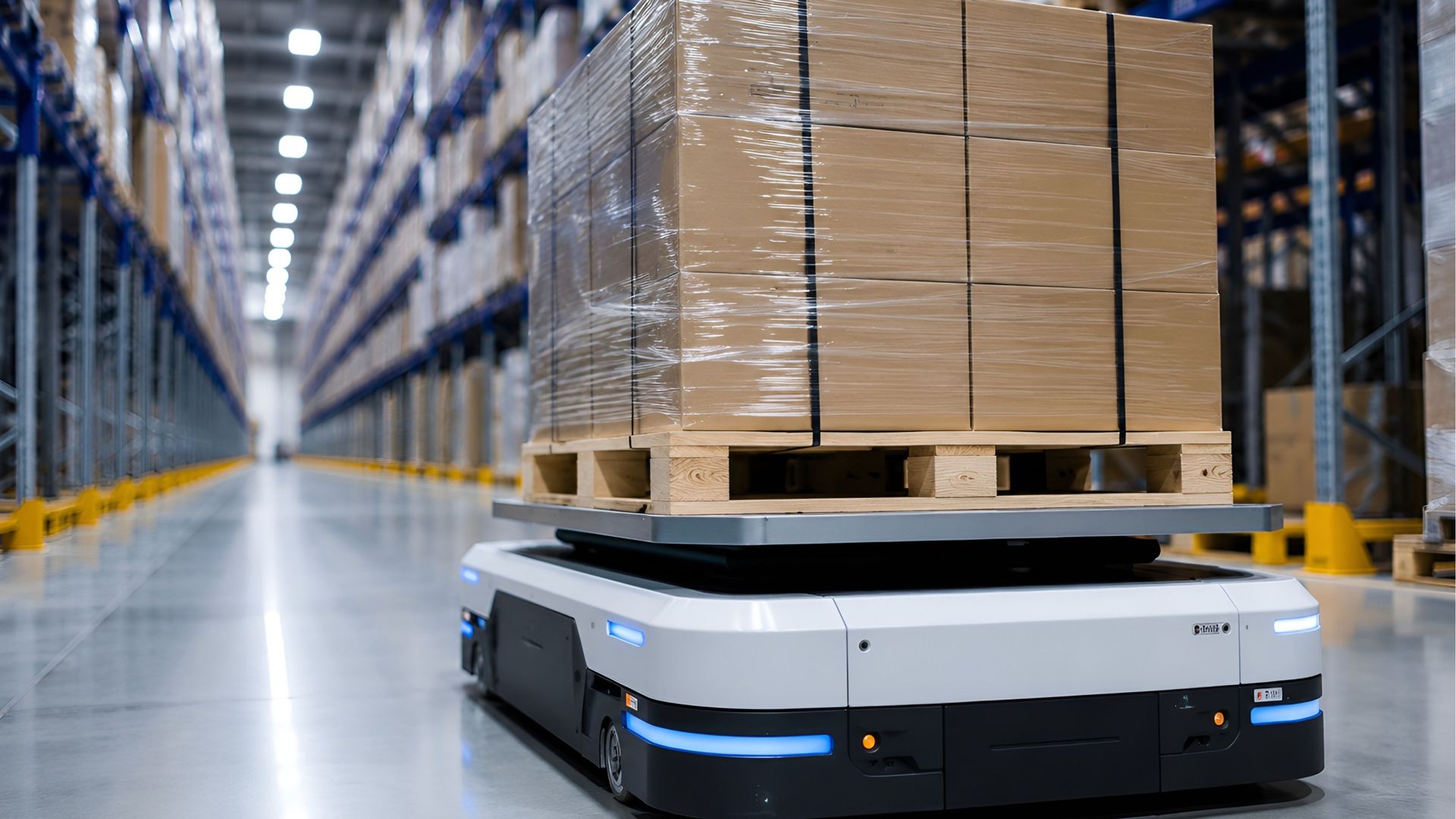
The future of fleet management in logistics is likely to centre on AI, electric vehicles, unified cloud platforms and autonomous technologies.
It's too soon to say how these will affect the industry or how cost-effective they'll be in the long run.
The industry, however, is excited about these innovations as a way of slashing both costs and emissions.
Minster WMS is a UK-based provider of cloud-based warehouse management solutions. Are you struggling with fleet visibility or delivery accuracy? Book a demo to see what our software can do for you.