What is pick, pack and ship software (and do you need it?)

Simon Edward • 13 July 2026

Share this article

Is your business making fulfilment errors? It might be time to upgrade to pick, pack and ship software.


Is your business making fulfilment errors? It might be time to upgrade to pick, pack and ship software.

To err is human. But if your business is making a noticeable number of fulfilment mistakes, it's time to ask why.


Mistakes are especially common when warehouses rely on old-fashioned methods. If your pickers use paper lists and your operations are recorded on spreadsheets, mistakes are likely to slip through the cracks.


This is especially true as your business grows. The more data you have to handle, the more difficult it is to rely on manual processes.


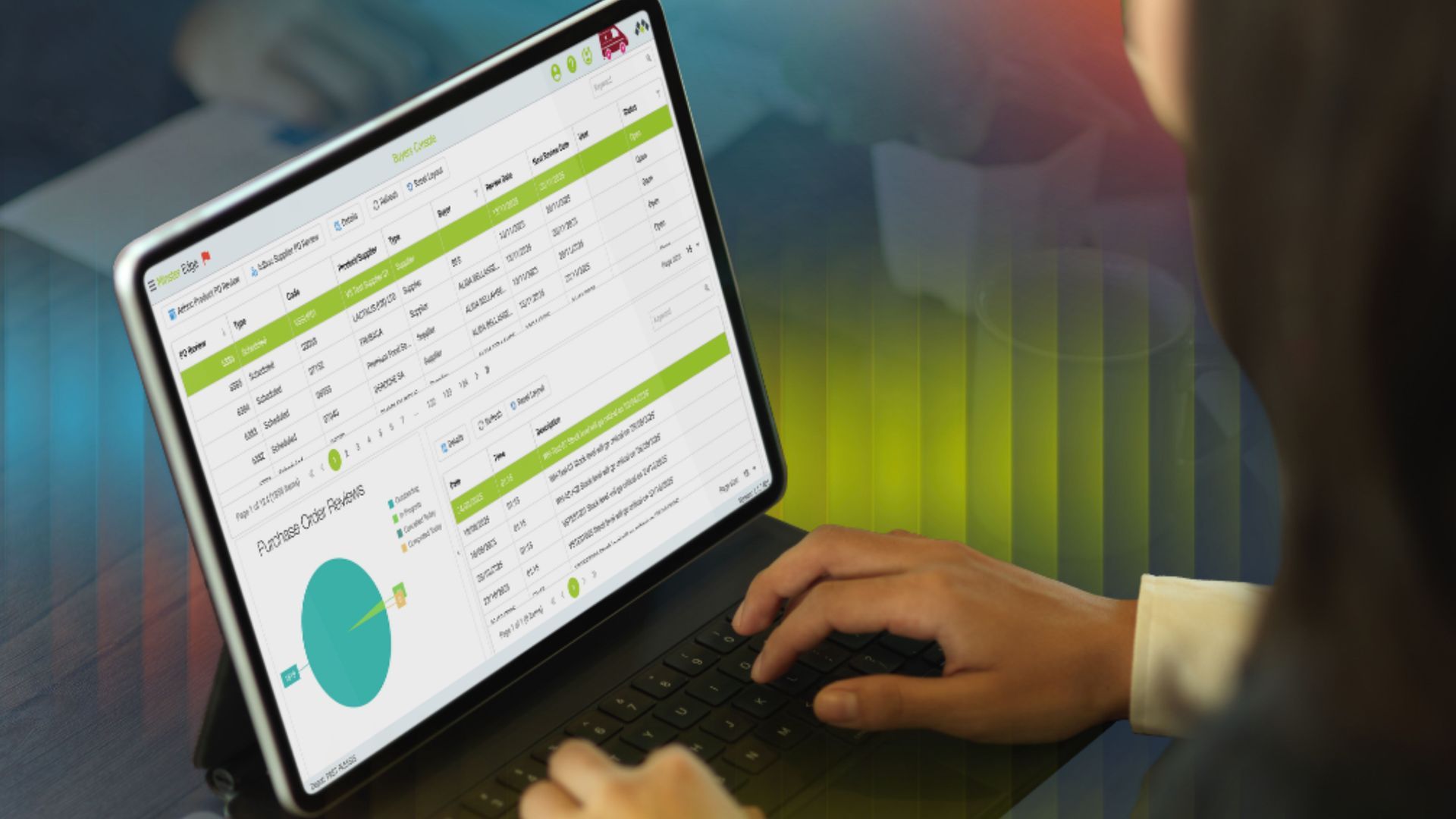
This is where pick, pack and ship software comes in. It refers to a range of software solutions that come under different names. These include inventory management solutions, order fulfilment platforms and our speciality, the warehouse management system (WMS).


These streamline the order fulfilment process from start to finish. That means:


Guiding warehouse staff to locate items on shelves (picking)

Making packaging and labelling easier (packing)

Automatically generating courier documents and dispatch notifications (shipping)


All this amounts to more accurate, more productive and more efficient order fulfilment processes. 


Here at Minster WMS, we provide businesses of all kinds with highly capable WMS solutions. So is pick, pack and ship software like ours right for you?


What are the benefits of pick, pack and ship software?


Sometimes, upgrading from manual to digital systems is presented as pure common sense. If you haven't done it yet, they say, it's probably because you're stuck in the past.


We don't share that attitude. Instead, we think the case for digital transformation is still worth making. After all, what good is a solution if it doesn't come with solutions?


With that in mind, what are the core benefits of replacing manual paper-based workflows with pick, pack and ship software?


Accuracy


Pick, pack and ship software boosts accuracy by integrating barcode scanners, pick-to-light systems or voice-picking headsets. These ensure staff pick the right items in the right quantity.


With our CORE and EDGE solutions, picking accuracy can reach 99.9%.


Route optimisation


Pick, pack and ship software optimises physical routes for warehouse staff. Similar orders are grouped together, meaning staff aren't traipsing around inefficiently.


Automated shipping


Shipping, too, is automated. Courier rates are instantly compared and shipping labels are generated. Tracking details are then automatically sent to the customer. As with the picking process, this drastically reduces human error.


Real-time inventory


Inventory is synced in real time, meaning you'll never sell an item you don't have on the shelves. This can help boost customer satisfaction.


Ease of use


Pick, pack and ship software is often intuitive to use. This empowers staff while reassuring employers that they won't be throwing money away on training.


Reporting


Pick, pack and ship software often provides granular insights into fulfilment processes – and it does so automatically.


Where once you'd have to pay for a consultant or team member to audit and assess your operations, these kinds of software solutions do it instantly. This can be invaluable in short-, medium- and long-term planning.


How does it work?


Picture of someone using Minster software in a warehouse.

The precise workflow will depend on the solution in question. Most examples of pick, pack and ship software, however, work something like this:

1. Pick

When an order is placed, the system generates a digital pick list. This directs the picker to the aisle and shelf location. The worker then uses a barcode scanner or voice picking headset to verify the item. This tracks inventory in real time, reduces picking errors and optimises picking routes.


2. Pack


Staff bring the picked item to the packing station. The software verifies the item and then directs the packer to the optimal packaging (box size, material, weight). A packing slip is generated for the packer. As with stage one, this helps ensure order accuracy. It also helps reduce shipping costs.


3. Ship


Once the package is ready for delivery, the software generates the relevant shipping labels and packing slips and registers the package with the courier. A tracking number is generated and an automated dispatch notification is sent to the customer.


An example of how pick, pack and ship software works


  1. A customer places an order.
  2. The software directs the picker to the ordered item.
  3. The picker confirms the item has been picked.
  4. The picker takes the item to a packing station.
  5. The software tells the packer which packaging to use.
  6. The software generates a packing slip and shipping label.
  7. The inventory is automatically updated.
  8. Tracking info is sent to the customer.


Should my warehouse get pick, pack and ship software?


There's a short answer and a long answer to this question.


The short answer is this. Is your reliance on manual processes leading to fulfilment errors and slowing you down? If yes, it's time to make the change.


The longer answer involves looking at this list and checking off all the statements that apply to you:

  • We make frequent picking or shipping errors.
  • Our staff wastes time looking for inventory.
  • We handle multiple sales channels.
  • We have difficulty tracking order status in real time.
  • We need to add staff to keep up with orders.
  • We receive customer complaints about incorrect or delayed shipments.
  • Data analysis and reports cost us time and money.

If more than 50% of these statements apply to you, upgrading to software will almost certainly be beneficial.


If, however, you only process a small number of orders a day and rarely make fulfilment mistakes, there's no reason why you shouldn't rely on pens, paper and spreadsheets. But as you grow, keep in mind warehouse management systems and how they can streamline those essential warehouse ops.


Minster WMS is a UK-based developer of warehouse management solutions. Our software optimises the full spectrum of warehouse operations, from goods in to the last mile. Book a demo today to learn how our systems can transform yours.


Recent Posts

Is it time to upgrade your warehouse management system? Explore 10 telltale signs in our guide.
by Simon Edward • 21 October 2026
Is it time to upgrade your warehouse management system? Explore 10 telltale signs in our guide.
One of the under-sung benefits of a WMS is its capacity to reduce waste. Learn more
by Simon Edward • 21 October 2026
One of the under-sung benefits of a WMS is its capacity to reduce waste. Learn more in our industry guide.
Middleware enables different pieces of software to communicate and share data.
by Simon Edward • 12 October 2026
Middleware enables different pieces of software to communicate and share data. Find out what that means in practice.
Integrating different platforms can unlock new efficiencies.
by Simon Edward • 9 October 2026
Integrating different platforms can unlock new efficiencies. In this article, we explore how you can link your ERP, WMS and eCommerce platforms.
Every business needs inventory visibility. Find out why – and how
by Simon Edward • 5 October 2026
Every business needs inventory visibility. Find out why – and how a warehouse management system can help.
Wholesale warehouse fulfilment presents unique challenges and requires unique solutions.
by Simon Edward • 28 September 2026
Wholesale warehouse fulfilment presents unique challenges and requires unique solutions. Explore them in our industry guide.
When managing inventory, it's important to calculate safety stock levels. Find out how to do it
by Simon Edward • 25 September 2026
When managing inventory, it's important to calculate safety stock levels. Find out how to do it – and how a WMS can help.
Spreadsheets can do many jobs – but much better options exist for warehouse management.
by Simon Edward • 21 September 2026
Spreadsheets can do many jobs – but much better options exist for warehouse management. Learn how to upgrade to a proper WMS.
What are the benefits and challenges of multichannel fulfilment, and how can a WMS help?
by Simon Edward • 14 September 2026
What are the benefits and challenges of multichannel fulfilment, and how can a WMS help? Find out in our industry guide.
What data should you monitor daily in your warehouse? Explore 5 key metrics –
by Simon Edward • 11 September 2026
What data should you monitor daily in your warehouse? Explore 5 key metrics – and how a good WMS can help.
Show More