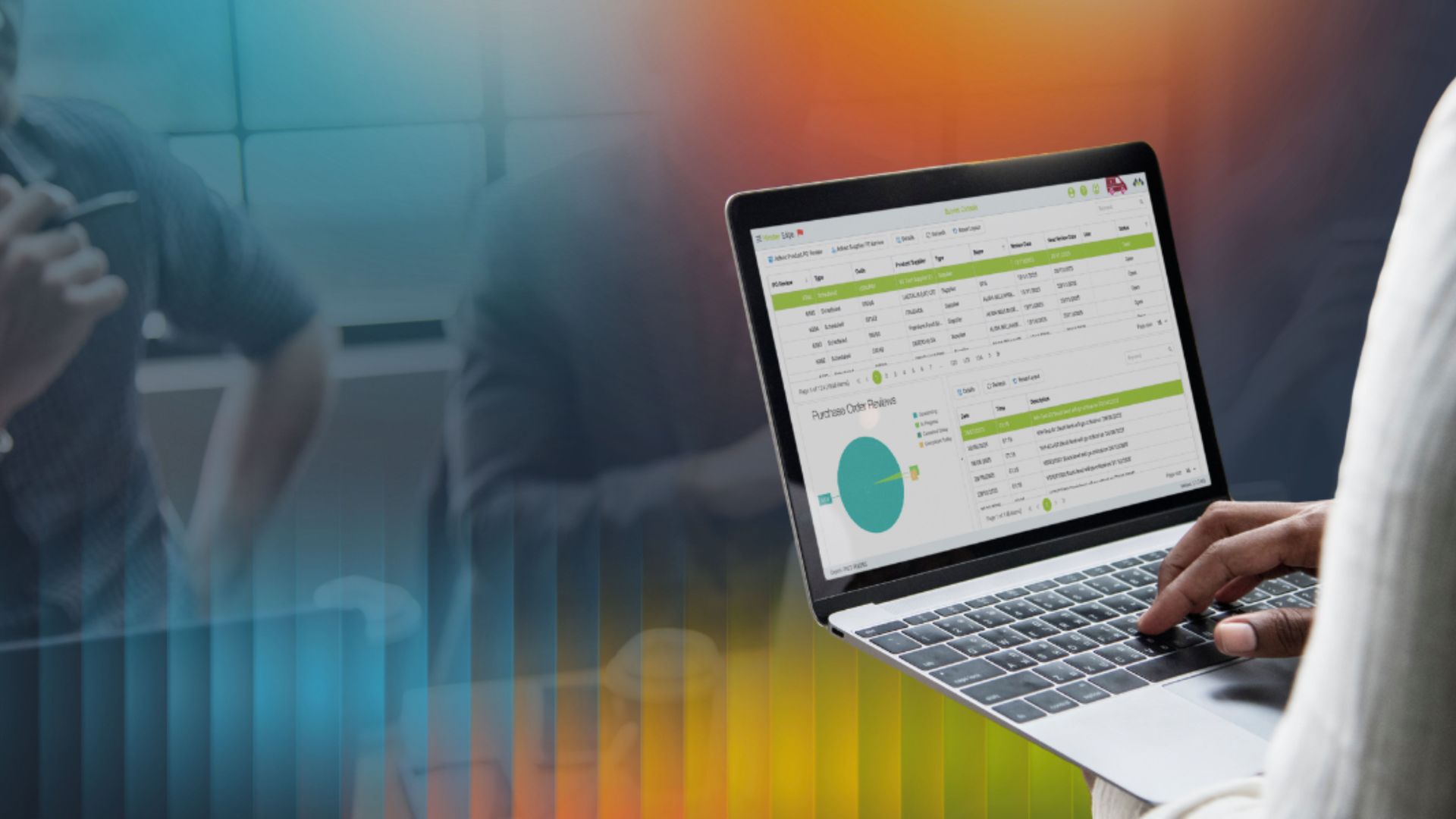
Can warehouse software reduce waste?
One of the under-sung benefits of a WMS is its capacity to reduce waste. Learn more in our industry guide.

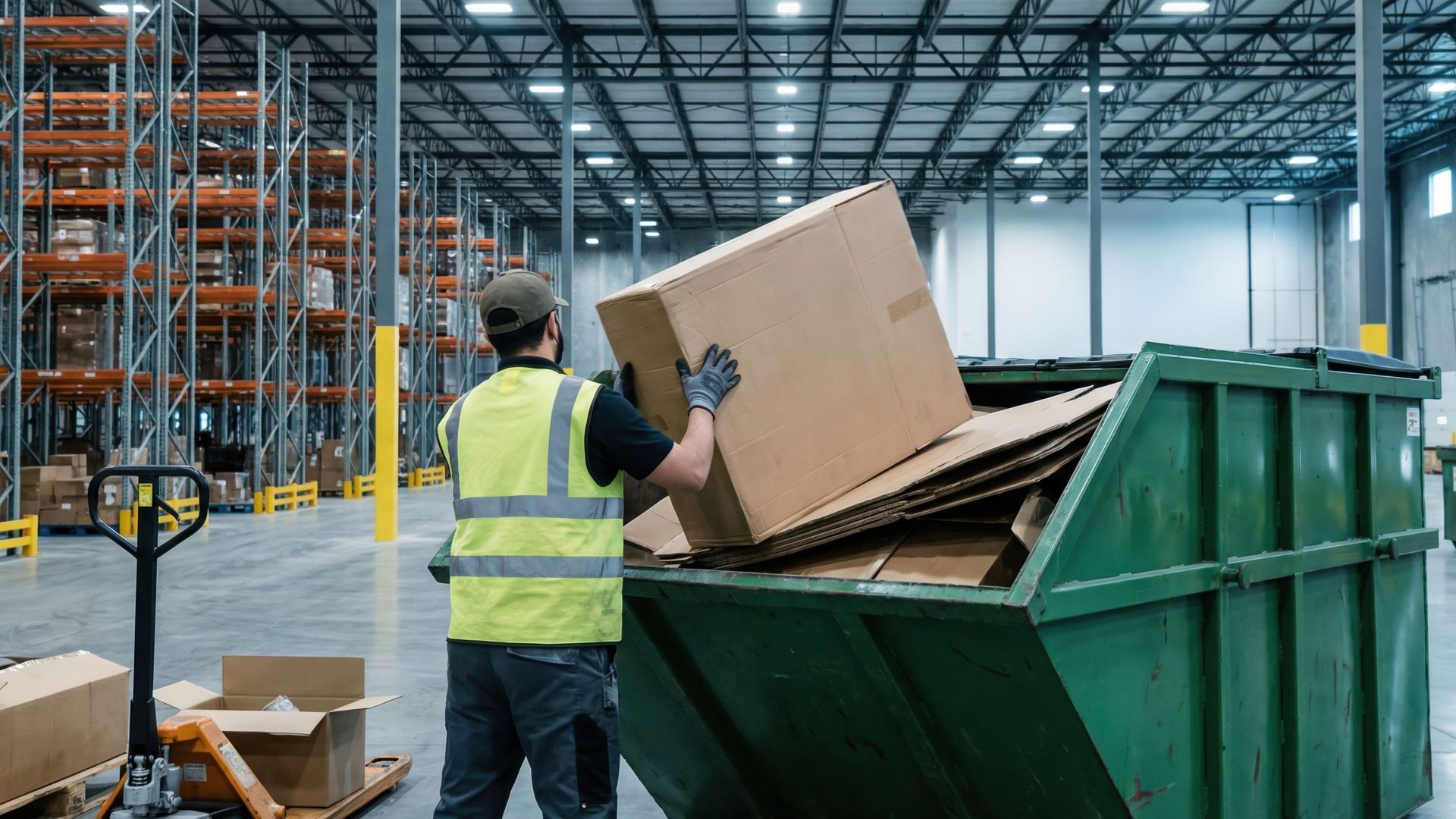
Waste is a significant challenge for warehouses, particularly when handling customer returns, damaged goods and excess inventory.
Products that cannot be resold efficiently may end up being discarded, while unnecessary transport, packaging and handling add further costs and environmental impact.
For many businesses, improving reverse logistics is one way to tackle these issues. This covers the movement of goods back through the supply chain: from customers to warehouses, repair facilities, resale channels or recycling centres.
A warehouse management system (WMS) can help businesses manage these processes more effectively.
By improving stock visibility, streamlining returns and supporting better decisions about returned products, a WMS can reduce waste while recovering value from goods that might otherwise be lost.
What is reverse logistics – and why does it matter?
Traditional logistics focuses on moving products from suppliers to warehouses and then to customers. Reverse logistics manages the journey in the opposite direction.
This can include customer returns, faulty products, reusable packaging, repairs, refurbishment and recycling. These activities are particularly important for eCommerce businesses, where customers may return products because they are unsuitable, damaged or no longer required.
Without an effective returns process, products can sit in receiving areas for days or weeks. During this time, stock may lose value, become difficult to trace or miss the opportunity to be resold.
Poor returns management can also create unnecessary waste. Items that could be repaired, repackaged or sold through alternative channels may be discarded simply because assessing them takes too long.
An effective reverse logistics process helps businesses identify the best outcome for each returned item, balancing commercial value, operational efficiency and environmental responsibility.
How a WMS improves returns management
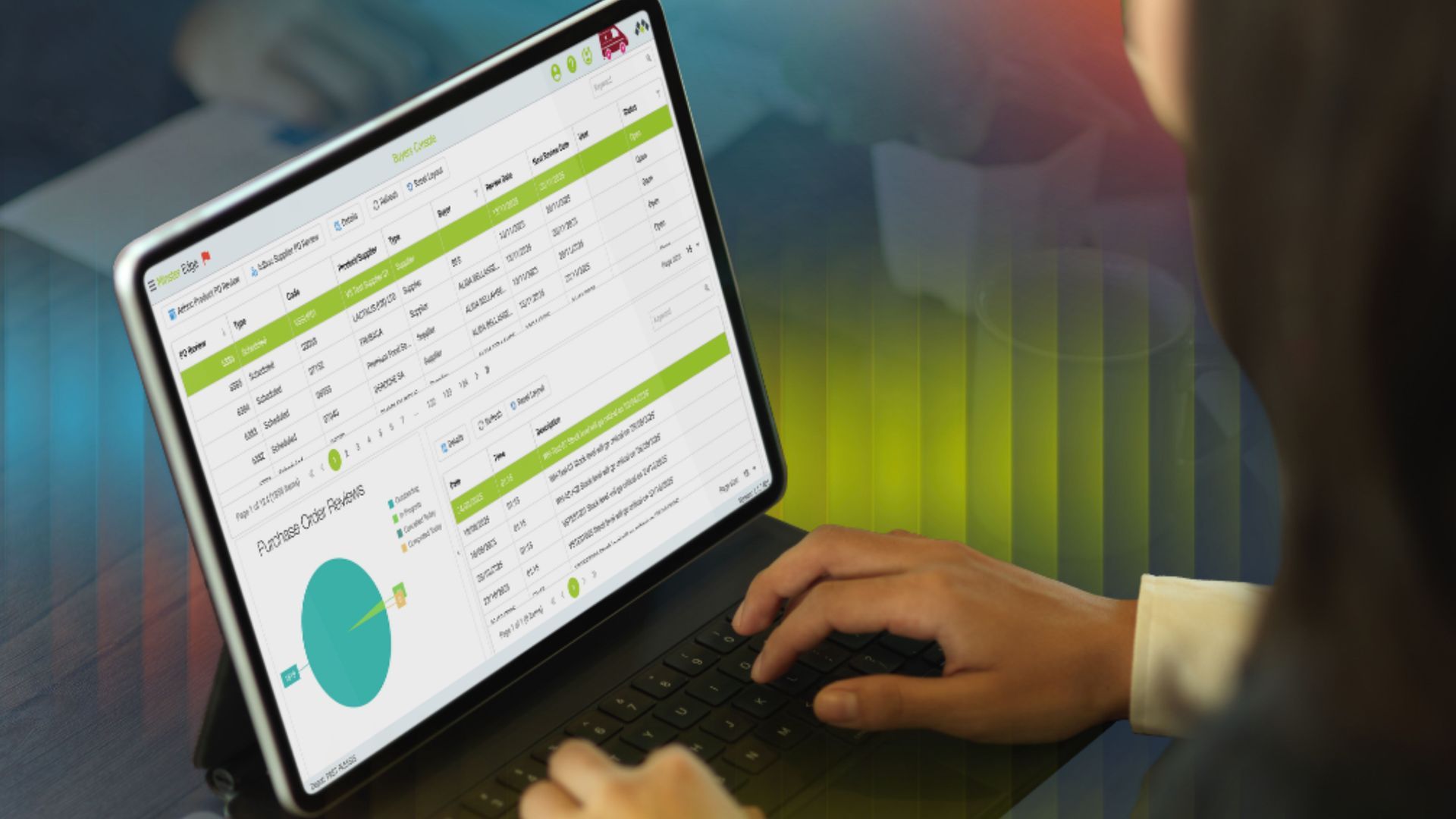
A modern, cloud-based WMS provides greater visibility and control over inventory movements, including goods entering the warehouse via returns.
When a return arrives, the system can help staff record the product, associate it with the original order and update its status.
This creates a clearer audit trail and helps prevent returned products from becoming unaccounted-for stock.
A WMS can also direct items into appropriate inspection or processing areas. That can reduce unnecessary handling and help teams prioritise returns that can quickly return to saleable inventory.
The result is a more structured process in which products are assessed and processed promptly, rather than accumulating in a backlog.
Reducing waste through better product recovery
One of the most important benefits of effective reverse logistics is the opportunity to recover value from returned goods.
Not every returned product needs to be discarded. Depending on its condition and the manufacturer's requirements, an item might be suitable for resale, repackaging, repair, refurbishment or recycling.
A WMS can support this decision-making by recording product condition, tracking inspection outcomes and maintaining visibility of stock designated for different purposes.
For example, an unopened product in its original packaging might be returned directly to saleable inventory following the necessary checks. A product with damaged packaging could be routed for repackaging, while a faulty item might be sent for repair or assessed for parts recovery.
Clear stock statuses are essential. Products awaiting inspection should not be treated as immediately available for sale, and damaged goods should remain separate from saleable inventory.
By making these distinctions visible, a WMS helps businesses avoid unnecessary write-offs and ensures products are directed towards the most appropriate recovery route.
Preventing excess stock and avoidable waste
Waste isn't limited to customer returns. Overstocking can also lead to products becoming obsolete, damaged in storage or unsaleable because demand has changed.
A WMS can provide accurate information about stock quantities, locations and movement history. This helps warehouse managers identify slow-moving inventory and make better-informed decisions about storage, replenishment and stock allocation.
When integrated with suitable reporting or inventory planning tools, this information can also help businesses identify recurring patterns, such as products frequently returned for the same reason.
Improving recycling and responsible disposal
Some products can't be resold or repaired – but that doesn't automatically mean they should go to landfill.
Where appropriate facilities and processes exist, returned goods can be suitable for material recovery, component harvesting or specialist recycling. Packaging may also be reusable or recyclable, depending on its condition and material.
A WMS can help record why items are written off, where they're sent and how they're processed. This creates a clearer picture of waste streams and can support internal reporting.
Businesses can use this information to identify which product categories generate the most waste and work with suppliers or recycling partners to improve recovery rates.
Measuring the benefits of a WMS

To understand whether a WMS is reducing waste, businesses should monitor performance before and after changes to their reverse logistics processes. This involves looking at the following things:
- How quickly returned goods are inspected and processed
- The proportion of returned products successfully resold, repaired, refurbished or recycled
- The value or quantity of goods discarded or written off
- The number of items awaiting inspection or a final decision
- Repeat return reasons that could be identified at source
These metrics help businesses identify bottlenecks, measure improvements and prioritise further investment.
Can a WMS really reduce waste?
A warehouse management system can meaningfully contribute to waste reduction by improving stock visibility, organising returns and helping businesses recover more value from returned products.
Its effectiveness depends on how well the system is configured, how consistently staff follow procedures and whether the business has suitable repair, resale and recycling options.
Ultimately, reducing waste through reverse logistics requires more than processing returns quickly. It means making informed decisions about what happens to every product after it comes back.
With accurate data, clear workflows and effective recovery processes, a WMS can help you cut avoidable waste, reduce operating costs and build a more efficient, responsible supply chain.
Are you looking for a
reverse logistics solution that provides clear insights into returns processing?
Minster's
CORE and
EDGE
systems are designed to provide end-to-end visibility of the reverse logistics process, helping you drive efficiency and manage waste.
Book a demo today to see our solutions in action.