

Warehouse dashboards: the metrics you should monitor daily

Simon Edward • 11 September 2026

Share this article

What data should you monitor daily in your warehouse? Explore 5 key metrics – and how a good WMS can help.


What data should you monitor daily in your warehouse? Explore 5 key metrics – and how a good WMS can help.

Time for a big statement: business is the art of making decisions. It's so fundamental to the art of business, in fact, that a whole academic field is dedicated to its study.


It's not hard to see why. Daily, even small businesses are faced with huge mountains of stuff. This stuff needs to be sorted and put to strategic use. And all this with a clock ticking loudly in the background.


Decision-making is all about imposing order on chaos – and one key way that warehouse leaders achieve this is by monitoring metrics.


Metrics are quantifiable measurements that track performance and value. They help managers avoid relying on hunches, replacing guesswork with raw, actionable data.


Monitoring metrics daily helps you make proactive changes rather than wait to be forced into a decision. This kind of forward-thinking strategising is common to all successful businesses – and it's usually reflected in customer satisfaction and loyalty.


In short, metrics help your business grow. So, which should you monitor daily – and how can a warehouse management system (WMS) help?


The importance of a warehouse dashboard

Warehouse dashboards do one very important job very well: they consolidate data.


Your business is probably sitting on more pieces of data than stars in the sky. How do you turn these sprawling masses into something you can quickly consult and – even better – learn from?


Warehouse dashboards achieve this by turning complex, constantly changing data into clear visual insights.


They help you spot bottlenecks, anticipate issues and make data-backed decisions quickly and confidently. This is one of the key benefits of a modern cloud-based WMS.


Six metrics to monitor daily


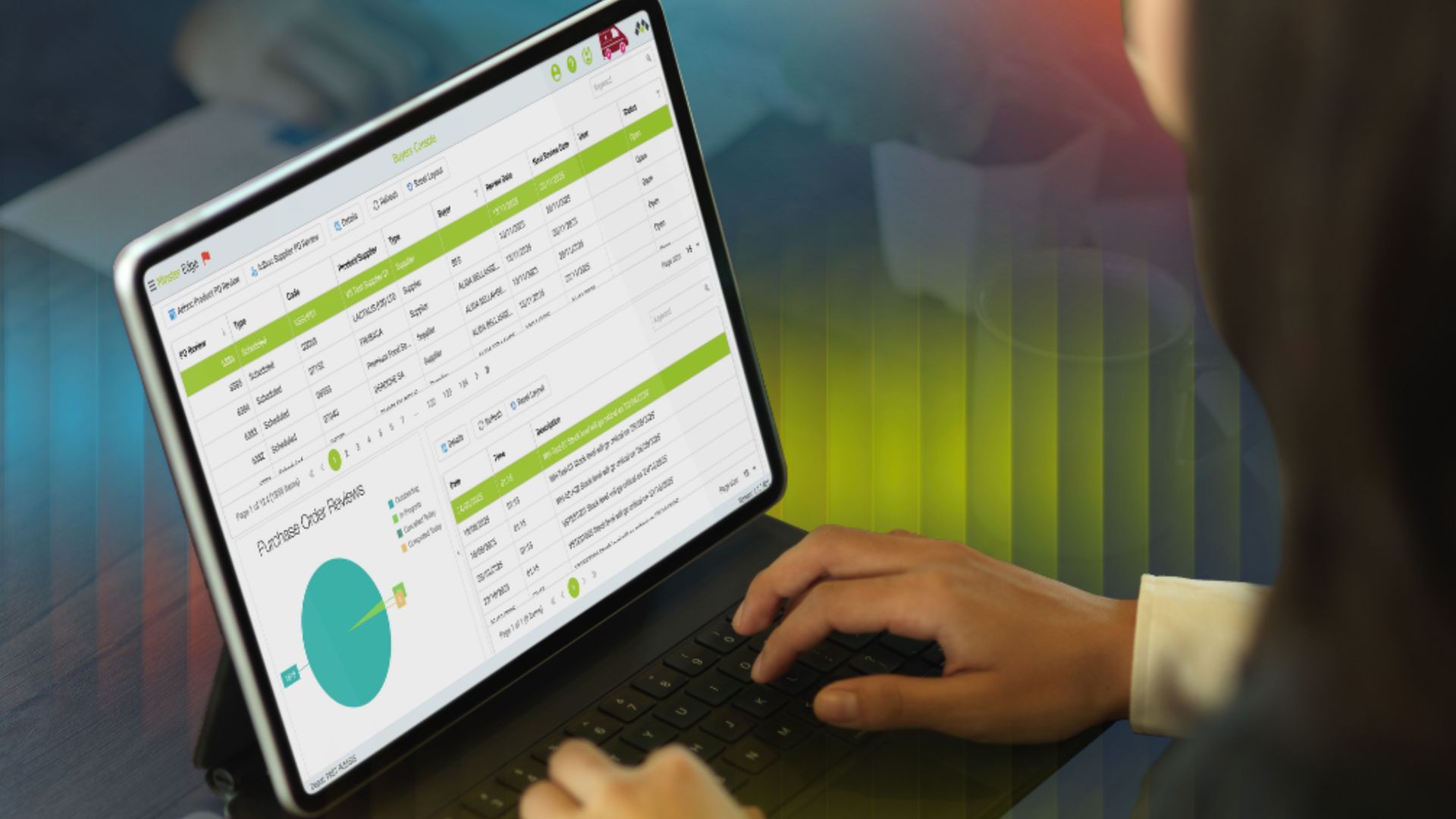
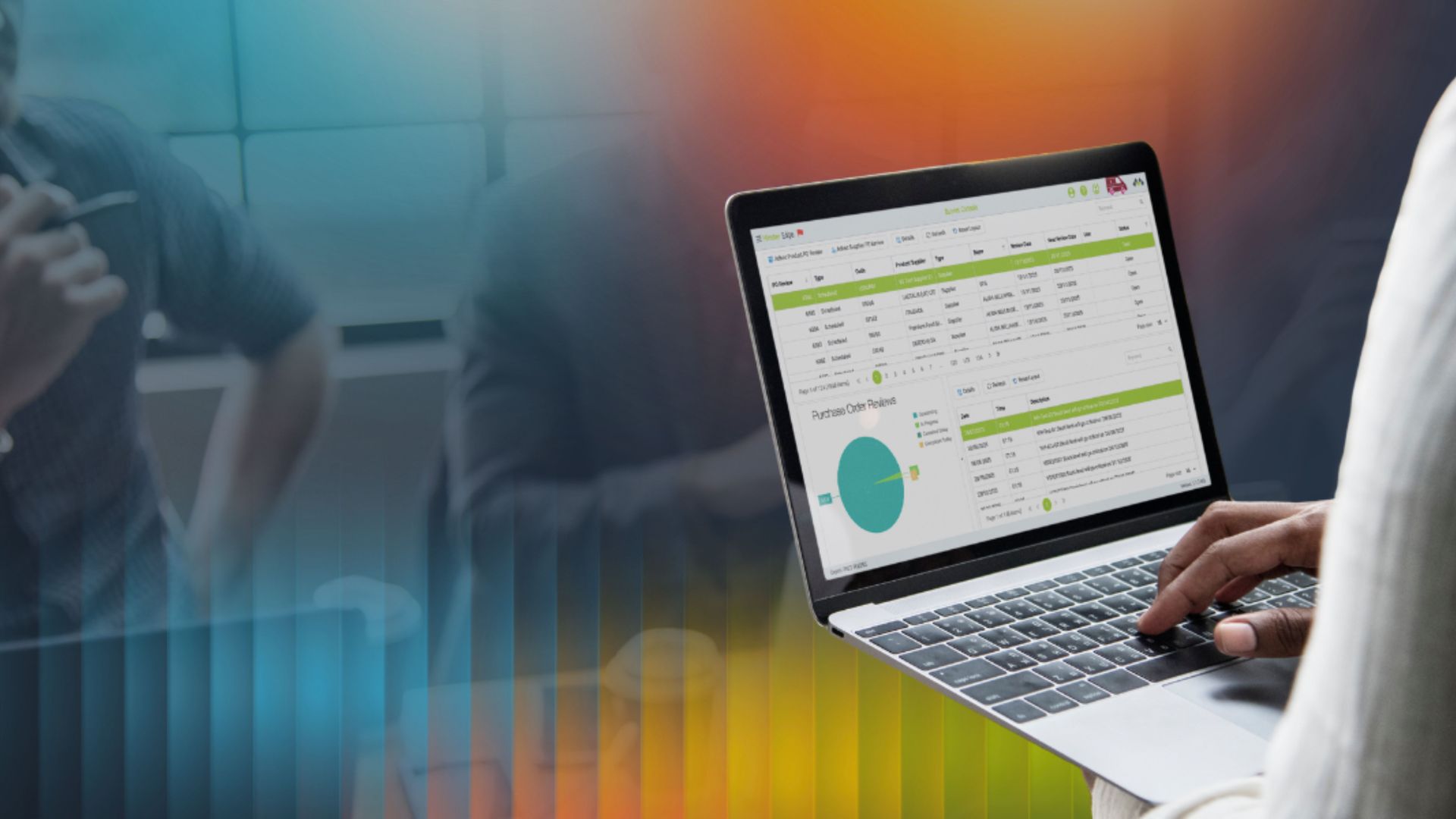
Picture of a person using Minster software in an office.

What should you track on your warehouse dashboard? There are lots of options. Here are six metrics that many would consider essential.

1. Order fulfilment rate (order fill rate)

This metric measures the percentage of completed, on-time customer orders. Monitoring this daily can help you assess customer satisfaction, service quality and room for improvement.


2. Inventory accuracy

This metric tracks the match rate between physical warehouse and digital system data.


Discrepancies between these two things cause costly shipping errors and stock-outs. Keeping an eye on the match rate helps avoid this.


3. Staff productivity

This metric tracks the number of units, lines or orders processed every hour. When displayed on your warehouse dashboard, it shows you bottlenecks and performance gaps before they impact profitability.


4. On-time shipping rate

What percentage of orders are shipped before the pickup deadline? This percentage can be the difference between a returning customer and a costly return or negative review.


That's why many warehouse leaders track on-time shipping rate daily. This metric measures packing and shipping efficiency.


5. Order cycle time

Another period worth measuring daily is the time between when an order is placed and the moment it's loaded onto a carrier. Acting on this data can help you take steps to speed up delivery times.


6. Receiving and putaway time

The rate of receiving and putaway has a knock-on effect. If staff leave new or returned inventory lying around, packaging and shipment get pushed back.

Daily monitoring of receiving and putaway time makes that a thing of the past, ensuring that stock is available for sale the moment it's requested – or as soon after as physically possible.


Why are warehouse metrics important?


Picture of a person using Minster software on a handheld device in a warehouse.

They speed things up

Warehouse metrics are invaluable for picking up the tempo. By tracking daily tasks like picking, receiving and putaway, you can identify the points in the chain that need to pick up the pace.


They help optimise inventory

Stockouts and overstocking both cost money, albeit for different reasons. Warehouse metrics track inventory and shrinkage by keeping a running record of the items on your shelves.


They flag bottlenecks

With a warehouse dashboard, you can spot picking and packing bottlenecks at a quick glance. This makes it easier than ever to identify root problems and take steps to nip them in the bud. Reactivity gets replaced by proactivity.


They help you save money

Is your space optimised? How about handling expenses and staff performance? Having real-time data to hand means knowing where your money is going and how to make strategic savings.

They encourage accuracy

Fear may be a man's best friend, but in the world of business, accuracy is a close second. Measuring inventory and order-picking accuracy forestalls shipping mistakes and stockouts and reduces the money you spend on returns.


They signpost the future

If you're looking to scale, warehouse metrics are invaluable. They give you the lay of the land in granular detail, not broad brush strokes. Whether you're looking to invest in new storage, new premises or new technology, metrics act as wayfinders.


And at the end of the day, all of these benefits add up to one big benefit: customer satisfaction. Because without that, where would your business be?


How can a WMS help?

If you want a warehouse dashboard to monitor your metrics, you need an effective WMS.


A good WMS automatically captures real-time data from barcode scans, RFID tags and other daily workflows. It instantly and accurately updates live dashboards. The software then aggregates the data and gives it back to you as visual insights you can turn into intelligent decision-making.


Here at Minster WMS, we provide businesses with highly capable cloud-based warehouse management software: CORE, our entry-level solution, and EDGE, our enterprise product.


Both include robust warehouse analytics features. By enabling you to track key metrics seamlessly and in real time, they turn visibility into fuel for growth.


Want to see how our solutions can help optimise your warehouse operations? Book a demo with our UK experts today.


Recent Posts

Are you wasting money on product returns? Learn concrete steps to reduce costs and improve
by Simon Edward 7 September 2026
Are you wasting money on product returns? Learn concrete steps to reduce costs and improve efficiency.
Do you know your AMR from your AGV? Explore the pros and cons of these types of warehousing robots.
by Simon Edward 4 September 2026
Do you know your AMR from your AGV? Explore the pros and cons of these types of warehousing robots.
Are you setting up an eCommerce business? You've got a lot of hard thinking to do.
by Simon Edward 31 August 2026
Are you setting up an eCommerce business? You've got a lot of hard thinking to do. Here are 10 questions to boost your chances of success.
What is fleet management and why does it matter? Learn the ABCs of fleet management,
by Simon Edward 28 August 2026
What is fleet management and why does it matter? Learn the ABCs of fleet management, including key challenges and technological solutions.
How is AI changing warehouse management? Explore the developments, benefits and challenges
by Simon Edward 24 August 2026
How is AI changing warehouse management? Explore the developments, benefits and challenges of this game-changing technology.
Warehouse mistakes cost money. But how much – and how can a warehouse management system help you
by Simon Edward 21 August 2026
Warehouse mistakes cost money. But how much – and how can a warehouse management system help you save?
Would your business benefit from customising WMS integrations? Explore your options and common use
by Simon Edward 17 August 2026
Would your business benefit from customising WMS integrations? Explore your options and common use cases in our industry guide.
There are different approaches to system integration – and each comes with pros and cons. Explore 4
by Simon Edward 14 August 2026
There are different approaches to system integration – and each comes with pros and cons. Explore 4 common system integration methods.
Are you looking for ways to optimise your FMCG warehousing operations? Explore 9 strategies
by Simon Edward 10 August 2026
Are you looking for ways to optimise your FMCG warehousing operations? Explore 9 strategies in our industry guide.
Are you shopping around for warehouse storage? Discover the benefits and considerations
by Simon Edward 7 August 2026
Are you shopping around for warehouse storage? Discover the benefits and considerations that come with 8 common warehouse racking systems.
Show More