Goods-to-person automation explained
Today, goods are often brought to warehouse workers by robots and automated retrieval systems. Could a system like this work for you?

Traditionally, warehouses worked something like this. An order came through. A member of staff walked or drove a cart through the aisles, found the item and took it back to a packing station.
This is known as a "person-to-goods" (P2G) model of fulfilment. Since the middle of the last century, however, there's been an increasing trend towards automation.
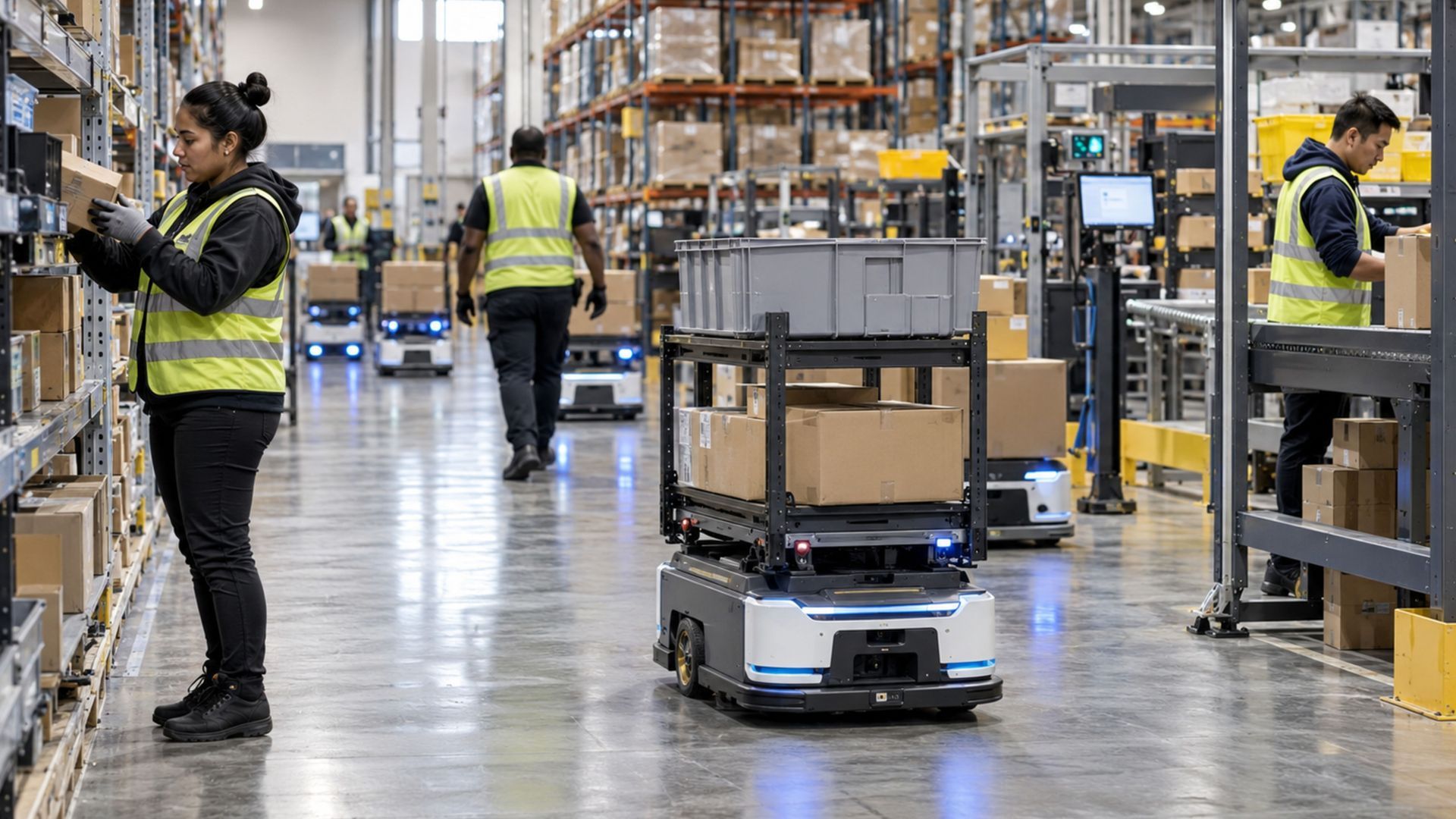
Fundamentally, this has meant a switch from P2G fulfilment to goods-to-person (G2P) automation. Instead of the member of staff locating the object, a machine – whether a robot, conveyor or automated shuttle – brings the product to the worker.
Done right, G2P automation solves two problems: slow picking speeds and high rates of human error.
Humans are naturally slower than machines. This can prevent warehouse managers from achieving optimal fulfilment rates.
It can also be tiring for staff – and when people get tired, they tend to make mistakes. These errors translate directly into customer dissatisfaction down the line.
With G2P, robots or other automated machinery bring inventory to warehouse staff. This speeds up the fulfilment process, reduces human error and improves overall accuracy.
How does goods-to-person automation work?
When an order is received, the warehouse software processes the request and identifies where the required inventory is stored. It then sends picking instructions to the G2P system, either directly or through a warehouse control or execution layer.
Automated machines get to work fetching the inventory. These machines could be:
- Autonomous mobile robots (AMRs)
- An automated storage and retrieval system (AS/RS)
- A mechanical shuttle
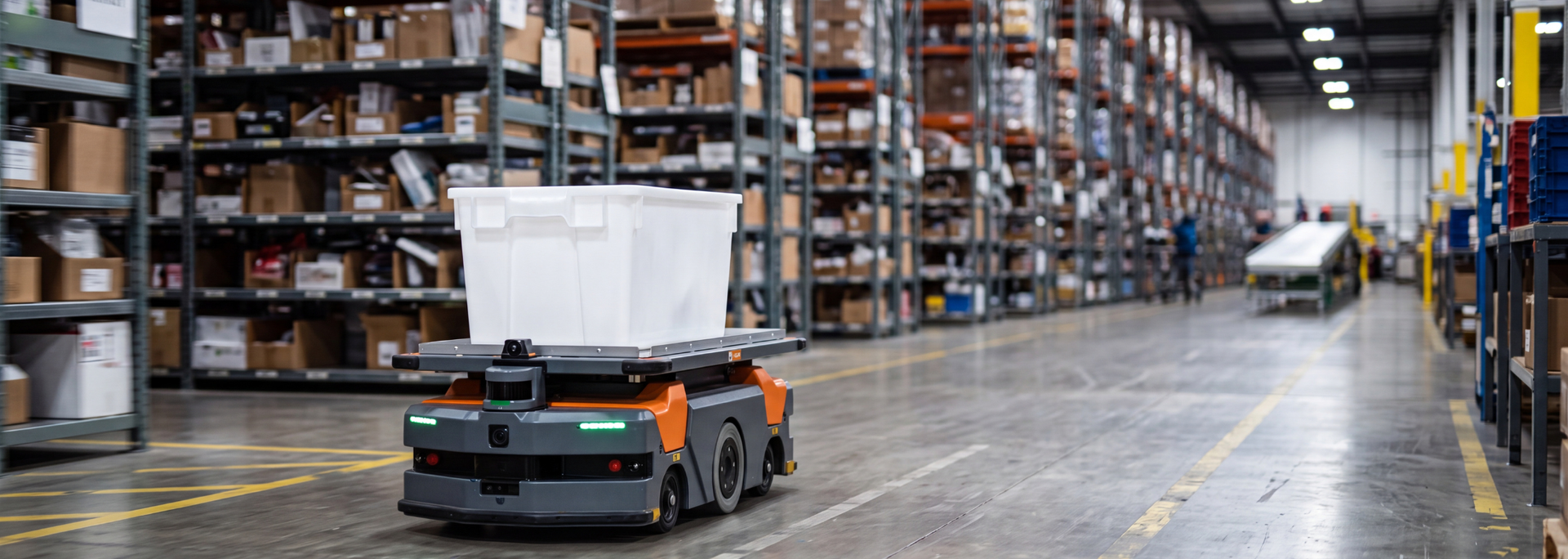
An AMR is a robot that moves goods around the warehouse. An AS/RS both stores and retrieves goods from shelves and racks.
AMRs and an AS/RS can also work together. In this setup, an AS/RS automatically retrieves a pallet from storage, then an AMR transports it to another part of the warehouse.
Whether working together or solo, the system transports the items needed for the order to a picking station.
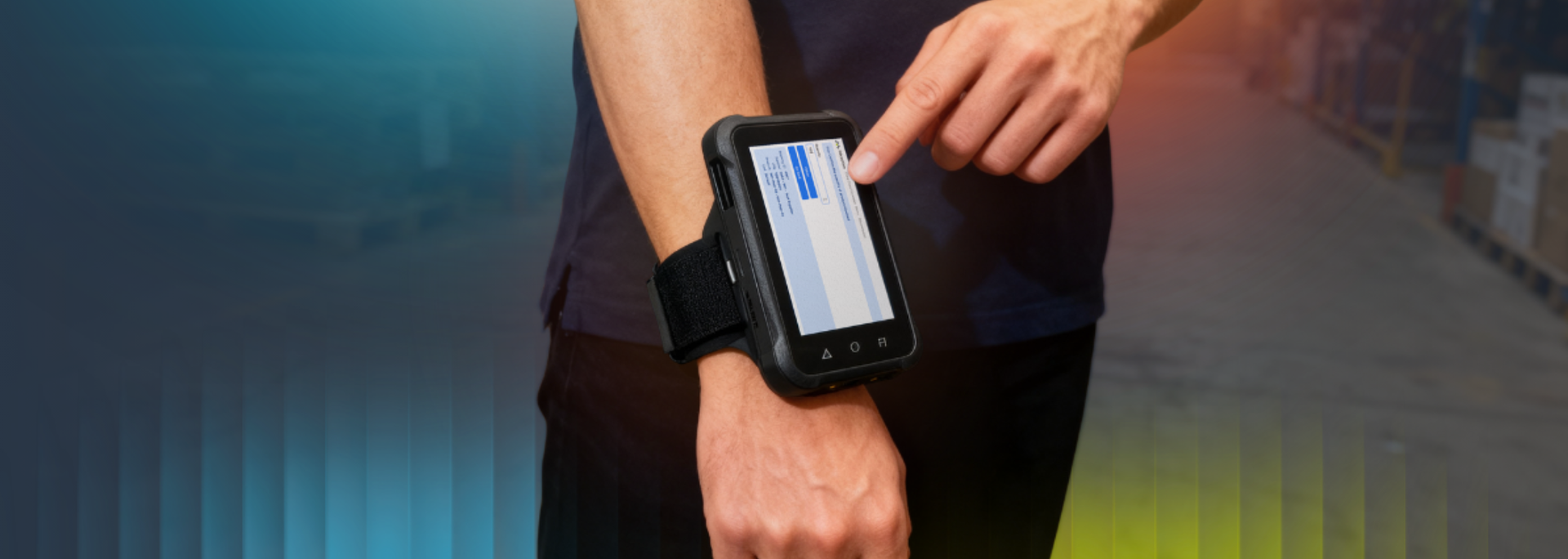
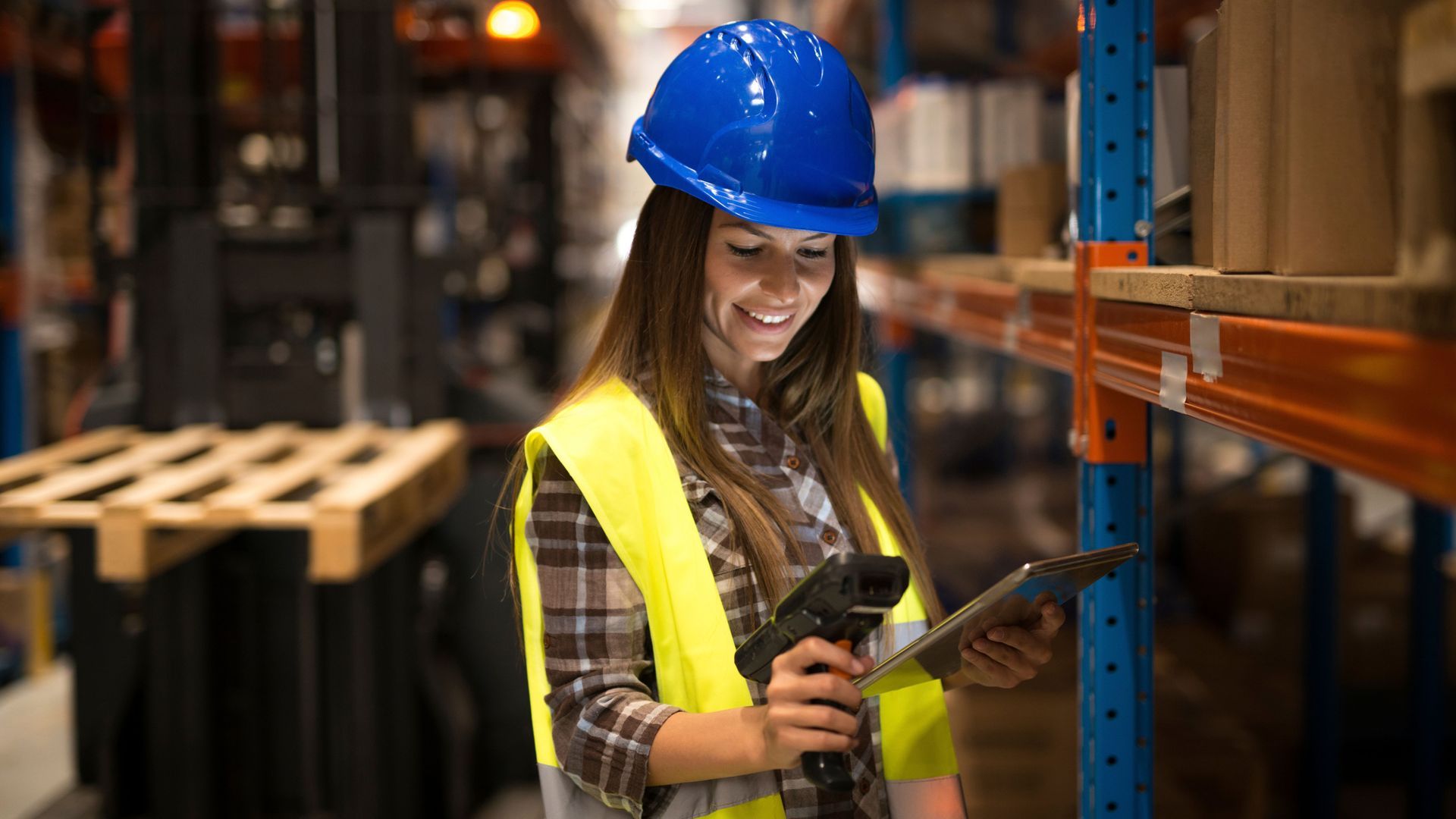
The staff member picks the right quantity for the order. This could involve using another technology such as a pick-to-light screen, voice-picking headset or barcode scanner.
Once picked, the automated system returns the remaining inventory to its slot.
That's how it works. So, why is it good for warehouses in all sorts of sectors?
What are the benefits of goods-to-person automation?

The first and perhaps most obvious benefit of G2P automation is that it's faster than P2G fulfilment. More orders can be processed without staff needing to walk up and down the aisles.
Speed and accuracy don't always go hand in hand, especially where humans are concerned. But with automation, this acceleration is accompanied by a reduction in error.
And while automation can lead to layoffs, it can benefit the remaining workers. Team members no longer need to physically strain or put themselves at risk of repetitive motion injuries. Instead, they stay put at ergonomic packing stations.
Finally, G2P automation can save warehouse space. Because aisles no longer need to be wide enough for people or trolleys, you can store goods can at a higher density.
When did goods-to-person automation begin?
Today's warehouse robots increasingly make use of cutting-edge AI and machine learning technology. But G2P automation as we know it today is at least as old as the 1950s – and its roots go back even further.
It all began with conveyor belts and cranes during the industrial revolution of the 19th century. By the 1950s, warehouses used inductively guided trucks – driverless vehicles that ran on fixed paths.
In the 1980s, the first goods-to-person AS/RS systems emerged. This was in answer to an increasing need for efficient processing of catalogue orders.
In the mid-1990s, cube-based AS/RS systems such as AutoStore were invented and deployed in European warehouses.
Come the millennium, autonomous guided vehicles (AGVs) were used to carry whole shelving units to picking stations.
The last decade or so has brought us to the increasingly familiar sight of mobile AS/RS and advanced AMRs navigating all manner of warehouses worldwide.
We don't know exactly what's next for G2P warehouse automation. However, it seems likely that AI will play a deepening role in the fulfilment process.
How can a WMS help with goods-to-person automation?
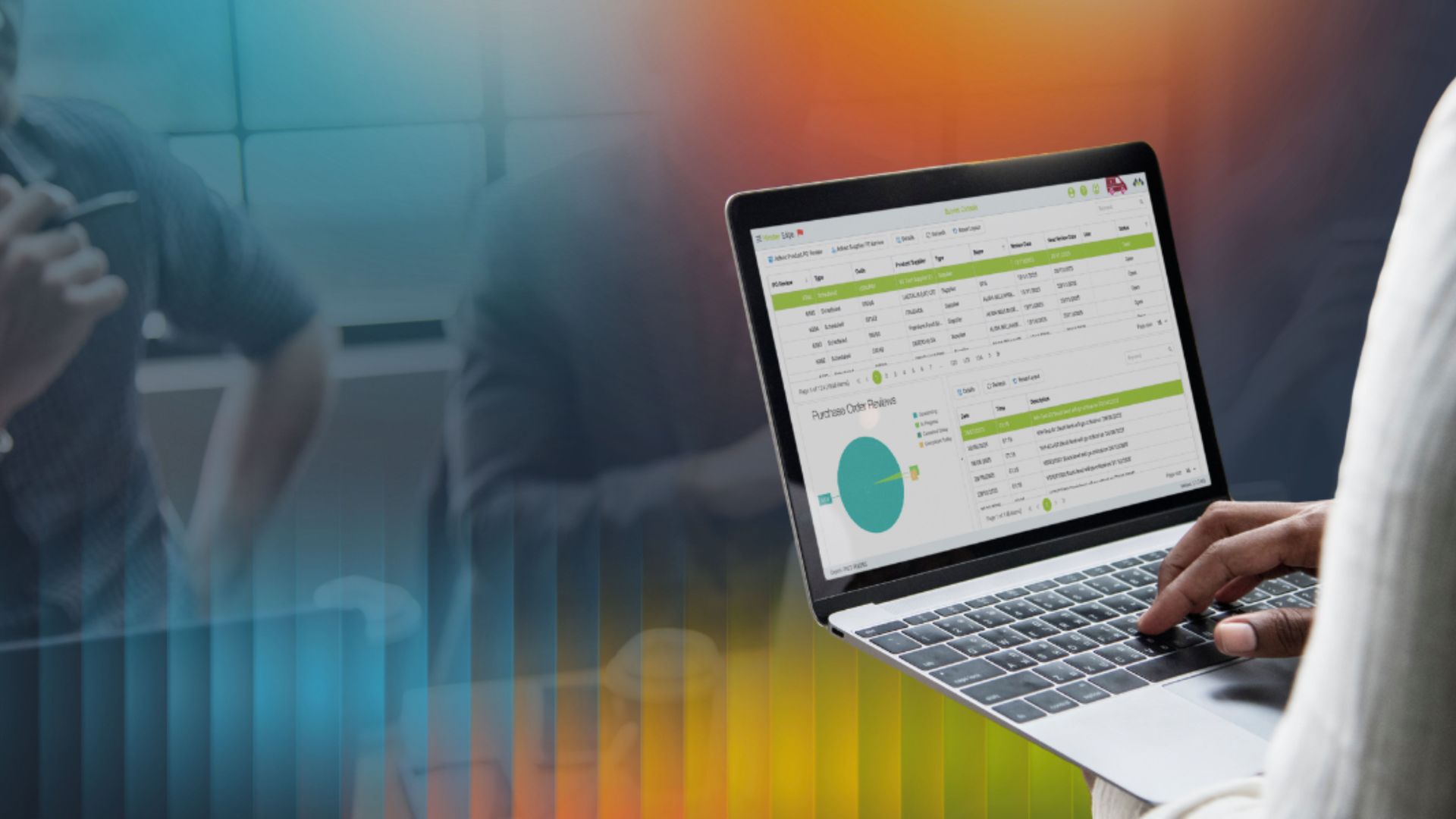
Whether your warehouse already uses G2P automation or you're looking to invest, a warehouse management system can play an important role in connecting automated processes with the wider fulfilment operation.
The exact setup varies from warehouse to warehouse. In some operations, the WMS communicates directly with automated equipment. In others, a warehouse execution system (WES), warehouse control system (WCS) or other integration layer sits between the WMS and the automation.
At a high level, the WMS provides information about orders, inventory and priorities. It can release picking work and identify where the required stock is held, for instance. Meanwhile, the automation layer coordinates how goods are retrieved and moved to the picking station.
A WMS also provides real-time visibility into warehouse inventory and can support decisions about where stock should be stored. Where slotting tools are available, fast-moving items can be positioned to improve picking efficiency, while the automated system handles the physical movement of goods.
When products arrive at a workstation, the operator can receive clear picking instructions through screens, pick-to-light technology, voice systems or other connected tools. This helps reduce manual decision-making and the scope for picking errors.
The WMS can also monitor stock levels and create replenishment tasks when inventory falls below defined thresholds, helping keep automated picking locations supplied.
Ultimately, a WMS doesn't have to control every robot or conveyor itself. Its value is in providing the accurate inventory, order and workflow information that the wider automation ecosystem needs to operate effectively.
EDGE by Minster WMS
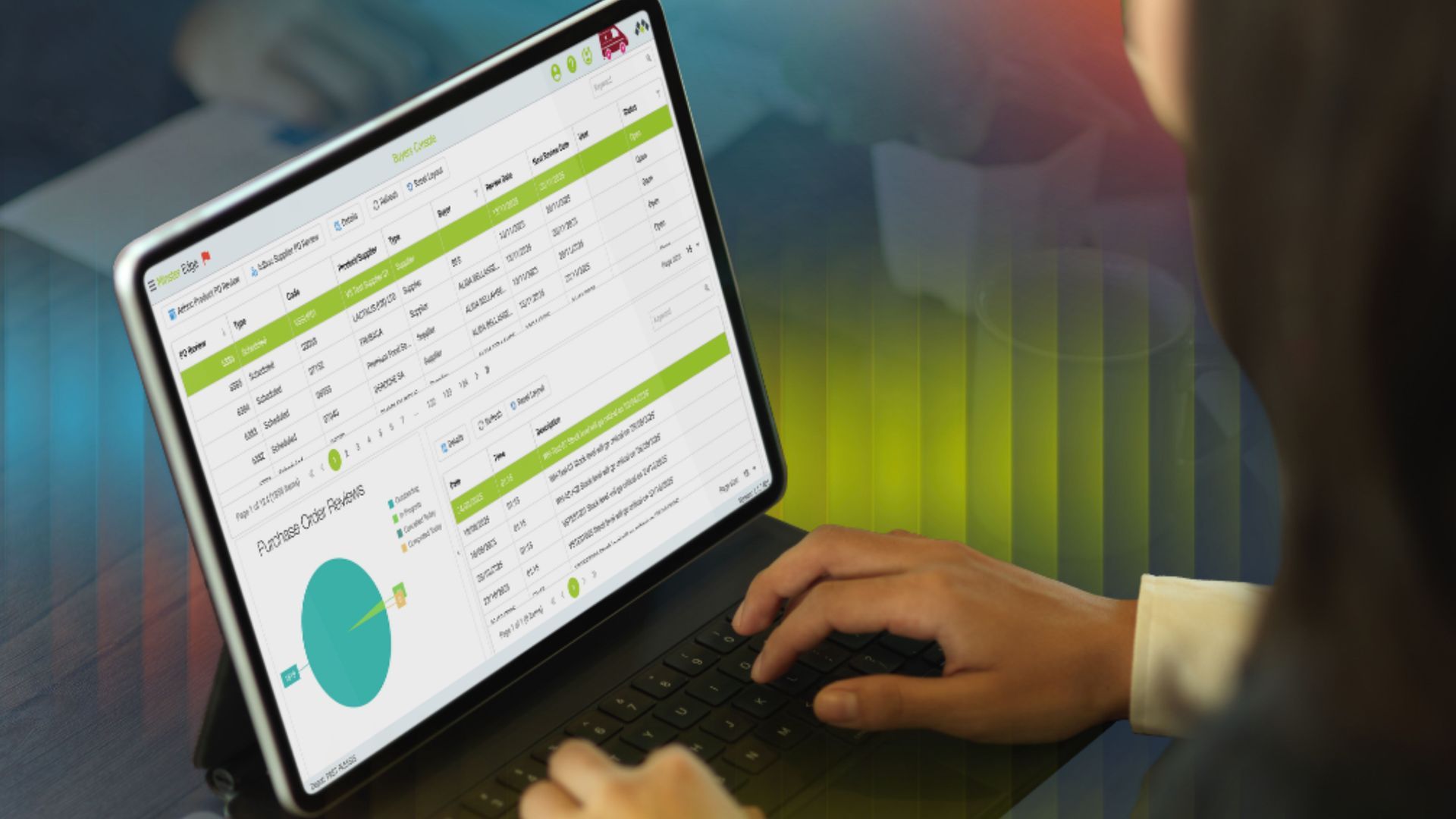
EDGE is our customisable enterprise warehouse management system for complex operations. Our development team can work with you to build the integrations your operation requires, including connections with wider warehouse technologies and automation systems.
If you're planning a more automated warehouse and need a WMS that can be adapted around your existing technology stack, book a demo of EDGE today.