Reverse logistics examples: how 6 brands do returns management
Are you looking to level up your returns management game? Take inspiration from 6 big-name brands.

Reverse logistics is an essential part of any brand's operations. This is partly so that lost value can be recaptured, whether through recycling, refurbishing, reselling or a combination of all three. And it's partly because it shows a commitment to keeping products out of landfill.
Brands of all shapes and sizes and in all sectors have reverse logistics policies. It's fair to say, however, that the bigger you are, the easier it is to do.
If you're a small brand, you'll need a warehouse management system (WMS) to help you organise and streamline your reverse logistics processes.
As you grow bigger, however, the opportunities for creative returns policies – and the infrastructure to make them happen – become closer and closer in reach.
In this article, we take a look at seven brands that put their money where their mouth is when it comes to returns management.
1. Apple
Apple manages its reverse logistics by capturing value from returned or broken devices. Its focus is on refurbishment, resale and advanced recycling.
There are three main channels for returns. The first is Apple's refurbishment programmes, where returned devices are restored to like-new condition and sold at a discount.
Next is Apple's trade-in scheme. This lets customers return old devices for Apple Store credit or recycling. This enables Apple to be more sustainable and to recover valuable materials from used products.
Finally, Apple uses advanced tech to recycle components from returned products. This reduces the amount of products that end up in landfill.
All of these initiatives are helped along by Apple's returns process. This prioritises high-visibility tracking and speedy refunds or exchanges.
2. Nike
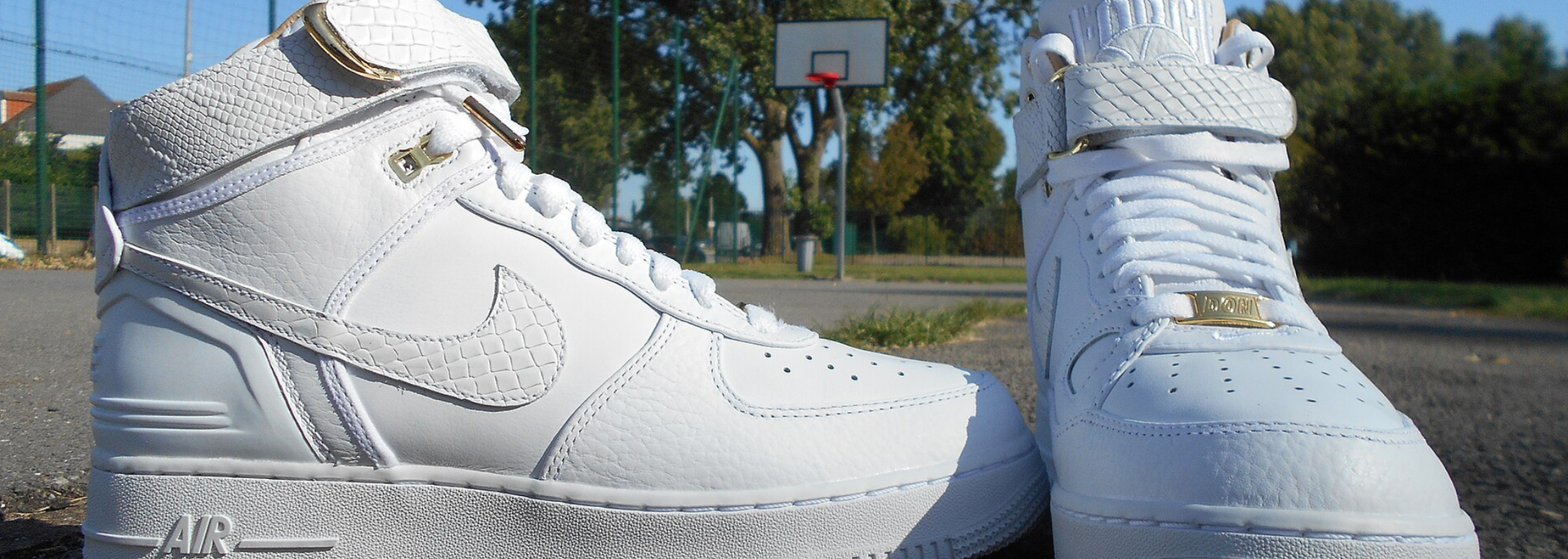
In the city of Lebanon in the USA, Nike has a 1.1-million-square-foot reverse logistics facility. It handles thousands of North American returns each day and acts as the headquarters for Nike's Nike Refurbished programme.
Returned shoes are inspected, cleaned by hand and then sold at reduced prices. This helps Nike meet its sustainability goals as part of its Move to Zero initiative.
This facility processes returns from individual customers and retail partners. If an item can't be refurbished, it's recycled through the Nike Ground programme. This turns old materials into new products such as athletic tracks and playground surfaces.
3. H&M
H&M has a comprehensive returns system built mostly around in-store garment collecting. Customers can drop off unwanted clothes from any brand in-store in exchange for a discount on their next purchase.
These are then collected, sorted and either resold, reused or recycled. The aim is to reduce the amount of clothes that end up as landfill waste.
The company also works with recycling partners such as I:CO. Clothes are sorted into three categories:
- "Re-wear" (to be sold as second-hand)
- "Re-use" (to be turned into products such as cleaning cloths)
- "Recycle" (to be shredded and given a second life as insulation)
H&M is also involved in a joint venture with REMONDIS called Looper Textile Co. Established in 2023 and operating mostly in Europe, this uses automated technology to sort textiles for reuse, recycling or responsible disposal.
4. HP
HP's returns management focuses on its global HP Planet Partners programme. This operates in 67 countries and begins with collecting used IT hardware and empty ink cartridges via collection partners.
These goods are then disassembled in specialised recycling centres. Materials are recovered and then reintegrated into HP's manufacturing process. The company also use digital tools to track and manage returned parts.
HP's returns management programme isn't solely focused on the end of the product's life, however. It also begins at the design stage.
Products are specifically designed to be easier to disassemble, repair and recycle. This helps customers and recyclers alike to facilitate the reverse logistics process.
5. Levi Strauss & Co.
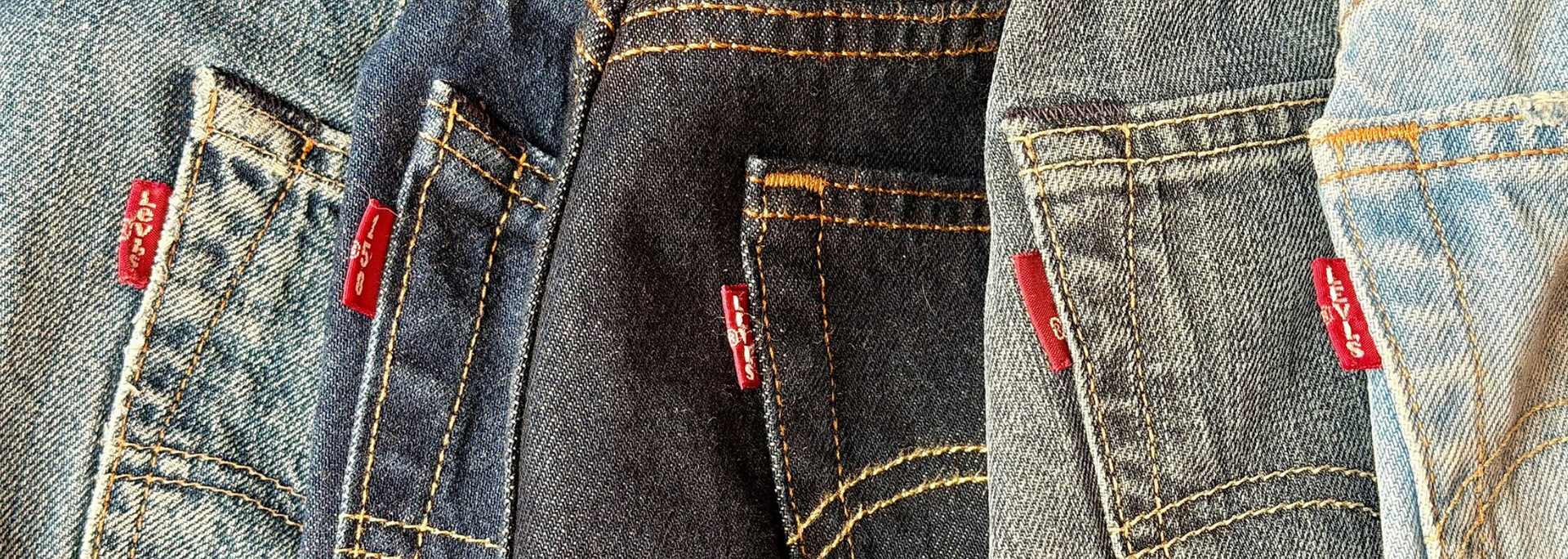
Levi Strauss & Co. manages its reverse logistics through a combination of resale and recycling initiatives and in-store take-back programmes. Their aims are to extend product life, reduce landfill and make the supply chain more sustainable.
This is partly achieved through Levi's SecondHand and SecondChance programmes. Like H&M, they accept clothing and shoes from any brand to keep them out of landfill. In Europe, these returns can be exchanged for discount vouchers.
Used denim that's too worn to be resold is collected and recycled via partners. Jeans are recycled into products like home insulation.
Levi's is also increasingly designing its products for recycling. It does this by, for instance, exchanging synthetic materials for 100% cotton.
Moreover, the brand increasingly seeks to recover and reprocess fibres to create new denim products.
6. Heineken
Heineken uses a partnership-driven model to encourage customers and businesses to return reusable glass bottles. Its publicly stated aim is to turn 43% of its packaging into reusable packaging by 2030.
Heineken is a multinational company – and uniquely among the brands we've looked at so far, its initiatives change from place to place.
In Brazil, Heineken works with partners Ambipar and Spin to create closed systems for the collection and recycling of more than 500,000 tonnes of glass bottles every year.
In South Africa, the brand introduced the Heineken Star bottle – a reusable bottle designed to be returned in bars and restaurants.
In France, unique codes are used to identify and track returnable bottles, while in Indonesia, Project U Turn aims to increase bottle return rates to 90% by 2027.
Heineken also collaborates with logistics firms like Kuehne + Nagel to return empty kegs and bottles to production sites.
Heineken is a great example of the multifaceted nature of returns management. No brand can achieve a circular economy on its own. It needs to work with partners such as recycling centres, logistics firms or software providers.
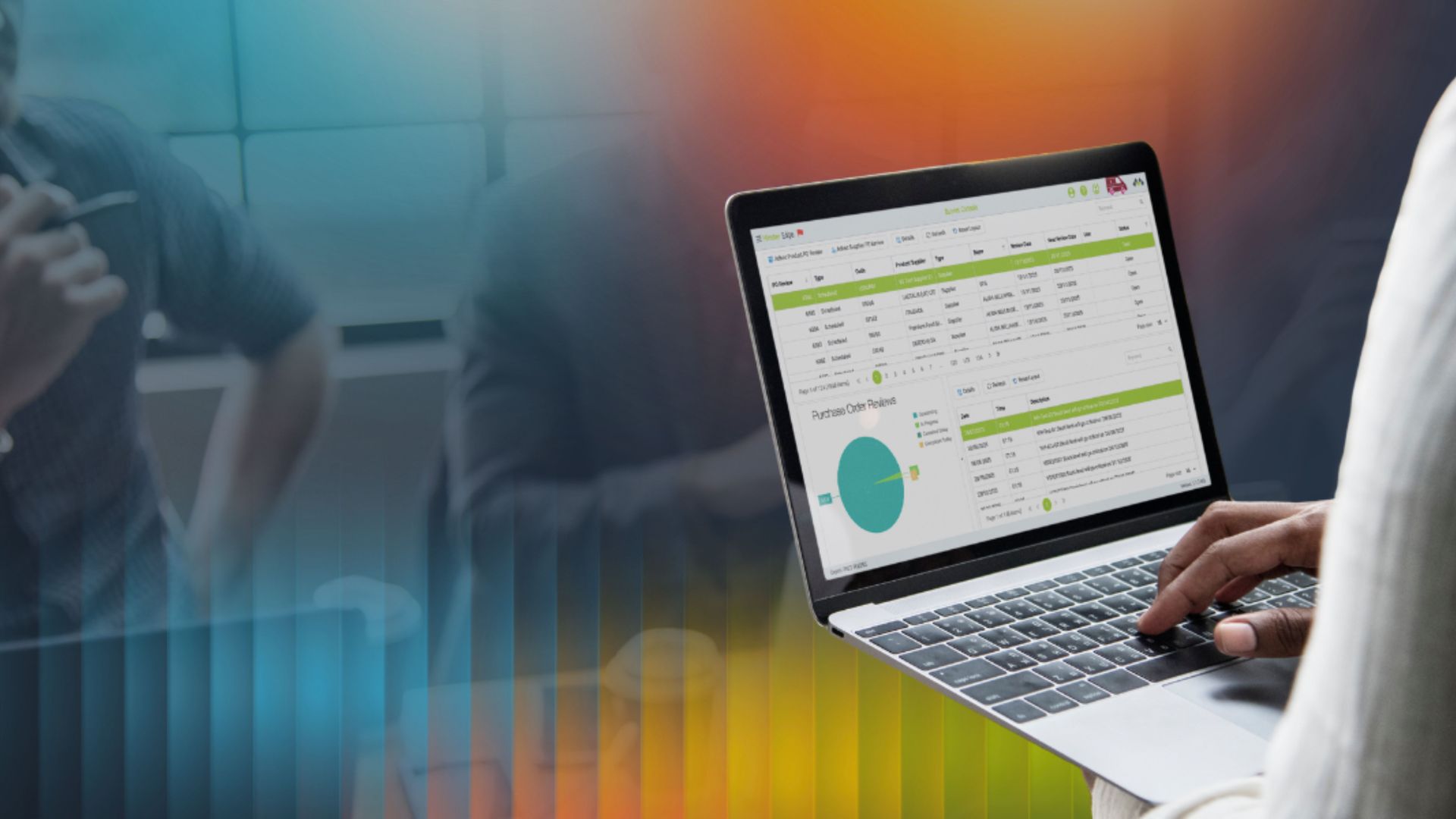
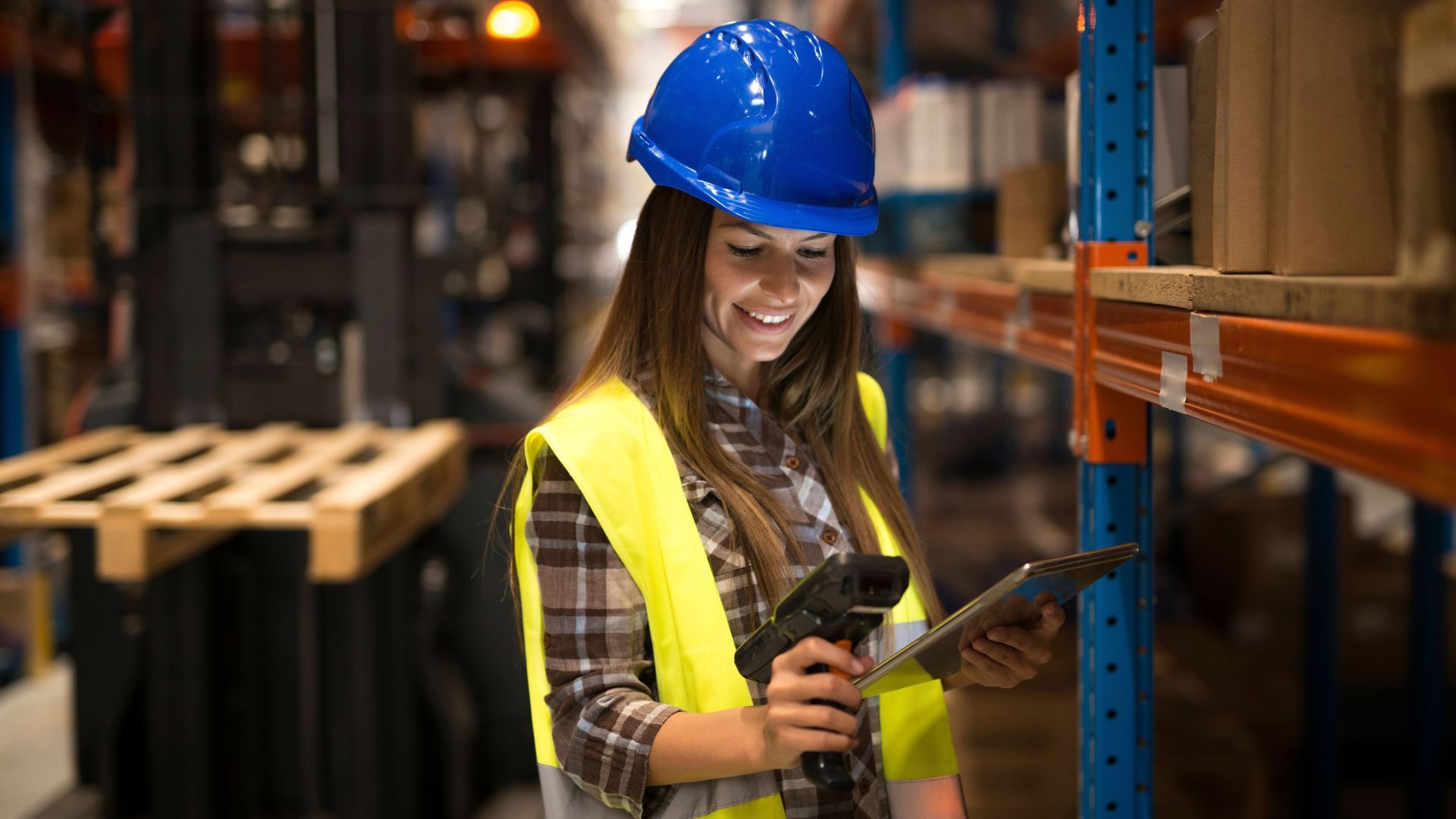
Are you looking to optimise your reverse logistics process for cost efficiency, environmental impact or both? At Minster WMS, we create cloud-based WMS solutions with robust product returns management software built in. It provides real-time visibility of all your returns, reducing human error and enabling more efficient and effective reverse logistics operations. Book a demo today to see how it can work for you.