


Warehouse management basics: what new leaders need to know
Are you new to warehouse management? Join us for essential advice to help you and your team thrive.

If you're reading this, you've probably just ascended to the rank of warehouse manager.
Congratulations! But a word to the wise: while new roles lead to new opportunities, they also create new temptations.
In the case of warehouse leadership, you might be tempted to go in all guns blazing and make big changes. This is usually down to a combination of factors – on the one hand, a desire to make your mark and on the other, a desire to make things better.
Depending on your personality, you could be tempted to be everyone's best friend or everyone's distant manager. Similarly, you could be tempted to micromanage or over-delegate.
Striking the right balance in a new job is never easy. But by focusing on people management, operational management and workplace culture management, you can lead well and help your warehouse to thrive.
Here, then, are some essential tips for new warehouse leaders. We hope it helps.
People management
What is a warehouse manager's job? This isn't a trick question. Chances are you're faced with a to-do list longer than War and Peace – and all of them are important.
Zoom out, however, and your role becomes clearer. It's your job to ensure the tools and processes in place work for the people working for you.
To achieve this requires technical and technological fixes – sure. But it also requires clear communication, active leadership and wise delegation.
Clear communication builds trust with employers. This is important in the early days of your job as it increases your chances of being heard. But it's important in the long run, too, not least because the people you manage are, well, people – people with their own stresses and strains.
At its most basic, this means walking the floor and talking to your team. You might think that mingling with your minions means they'll spot your feet of clay. More often than not, however, it helps you build respect rather than diminish it.
People management goes beyond mere physical presence. It also involves deputising well.
Just because you're the leader doesn't mean it's your job to fix every problem – quite the opposite. In fact, your job is to marshal the human resources you have to make the warehouse run smoothly.

In other words, that pile of reports in your inbox isn't yours alone. Manage your supervisors and delegate tasks to share the administrative burden. A team is stronger than the sum of its parts, but only if the leader lets it be so.
The importance of patience
When you take over leadership of a warehouse, you'll quickly identify problems. The worst thing you can do is try to fix them all right away.
Perhaps your layout is under-optimised or your pickers are a little on the sluggish side. The temptation is to strike the board and cry, "No more!"
It's understandable why you'd want to, of course. You're now the captain of the ship and you want it to be shipshape. But rapid changes are often the result of short-term thinking and lead only to short-term gains.
It's far better to spend time observing the processes and tools in place. This relates directly to our first point about people management. You'll be in a much better position to make meaningful changes if you've spoken at length with your supervisors and staff about their pain points.
At the end of the day, leadership requires patience. Not every problem requires immediate action. Instead, figure out where the problems lie and take strategic steps to fix them.
Related to this question of patient problem-solving is the need to embrace key performance indicators (KPIs).
KPIs are all about playing the long game – not snatching after short-term successes.
Precisely which KPIs you implement or fine-tune will depend on the precise nature of your warehouse. They might, to take two common examples, relate to shipping time or order accuracy.
Whichever you choose, the purpose is to gather data for better decision-making and to introduce accountability into your warehouse's performance.
These are long-term goals, not short-term fixes. They require patient leadership and strategic investment in technology.
One of the best ways to track KPIs is with a
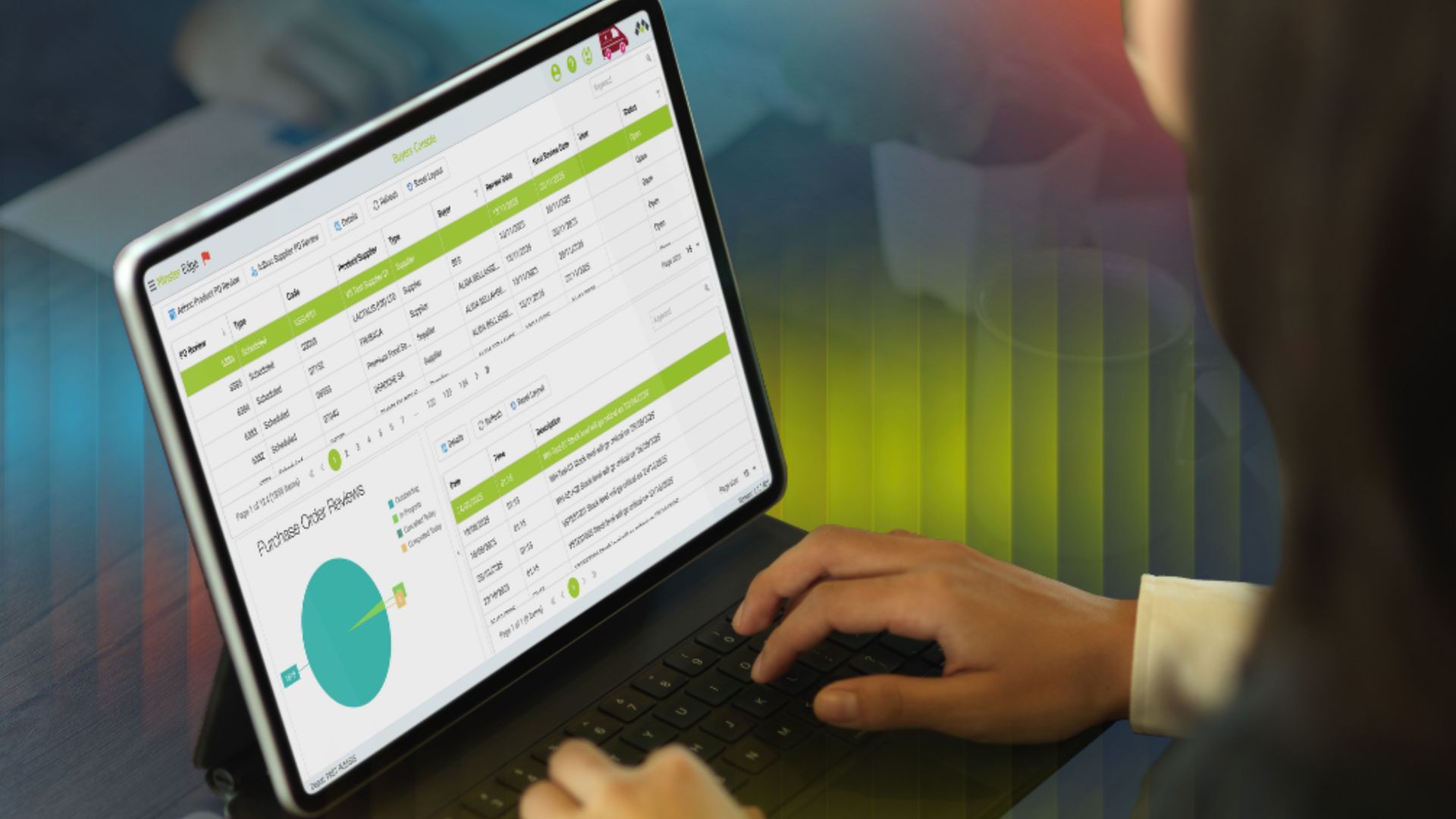
SaaS warehouse management system (WMS). As well as providing you with easily accessible granular data reporting, this will give you end-to-end visibility into your operations. It can be integrated with your existing technologies, too.
Workplace culture management

Looking at the heading for this section, you might think we've already covered this with "people management". But communicating with staff and delegating wisely is different from creating a healthy workplace culture.
If you have good people management skills, your staff will know what they need to do. Unfortunately, that doesn't mean they feel recognised, rewarded or happy.
As a new leader, you should make sure you acknowledge hard work and shout out employees who are performing well and showing initiative.
This isn't, we should say, so that other people get scared and start working harder. Instead, it's to create a culture where people notice that you're noticing them and value that you value them.
Related to this is the need to respond to your team's stress levels. Life is often stressful and every member of your team has their own cross to bear. When work gets tough, you need to be there to sustain team morale.
Finally, it's wise to invest in training. This boosts confidence, safety and productivity – all things that your warehouse needs to thrive. But it also makes your staff feel that you're invested in them.
Few modern warehouses run on pen and paper alone. More often than not, warehouse managers rely on a WMS to keep everything running smoothly.
Your WMS acts as the eyes, ears and beating heart of your operations. A good one will provide end-to-end visibility of your inventory, processes and key performance metrics. For you, that means valuable insights into what's working and what's not.
Perhaps your warehouse already has a WMS in place. If not – or if it's not cutting the mustard – we have just the solutions you need:
Want to know more? Not sure where to start? Book a demo with our experts today. We'll be happy to show you the ropes and answer any questions you might have.