

Automated order-picking systems: 8 tools explored

Simon Edward • 26 June 2026

Share this article

Automated order-picking systems can help warehouses pick more efficiently. Explore 8 tools that can streamline your picking operation.


Automated order-picking systems can help warehouses pick more efficiently. Explore 8 tools that can streamline your picking operation.

Order picking is an essential part of everyday warehousing procedures. But no one ever said, as the saying goes, that it was going to be easy.


Why? Because warehouse leaders need to marshal staff to pick inventory quickly, accurately and efficiently – usually while juggling a dozen other task-shaped balls.


Common spanners in the works include excessive travel time between items, inventory inaccuracies and the ever-present spectre of human error.


There are many ways to address these challenges. Increasingly, warehouse managers are turning to automated order picking systems to meet the demand for speed, accuracy and efficiency.


Automated picking is a broad church. It includes robotics, AI, software and other technologies to retrieve items from storage for shipping. Some are assistive, helping humans complete their tasks, while others are autonomous and replace humans entirely.


Even at a cursory glance, the benefits of efficiency, accuracy and speed are hard to deny. But there are other benefits, too. Automated order picking systems can be scalable and can help warehouse managers optimise space.


All these small things add up to one big thing: customer satisfaction. Customers expect fast and reliable deliveries and automated picking helps you deliver in both senses of the word.


These different tools can be used individually or in combination. It all depends on your budget, inventory type and the size of your business.


So, here are seven automated order-picking tools that help you give the customer what they want when they want it.


Seven automated order-picking tools

1. Goods-to-person picking

"Goods-to-person (GTP) picking" is a catch-all name for automated picking solutions where robotic systems bring inventory (goods) directly to the workstation (person).


Covering AS/RS systems, autonomous mobile robots (AMRs) and conveyors, these technologies eliminate the need for staff to manually collect goods.


GTP systems boost efficiency by minimising the number of tasks human staff have to complete. The goods are transported autonomously, giving staff more time to pack and dispatch them.

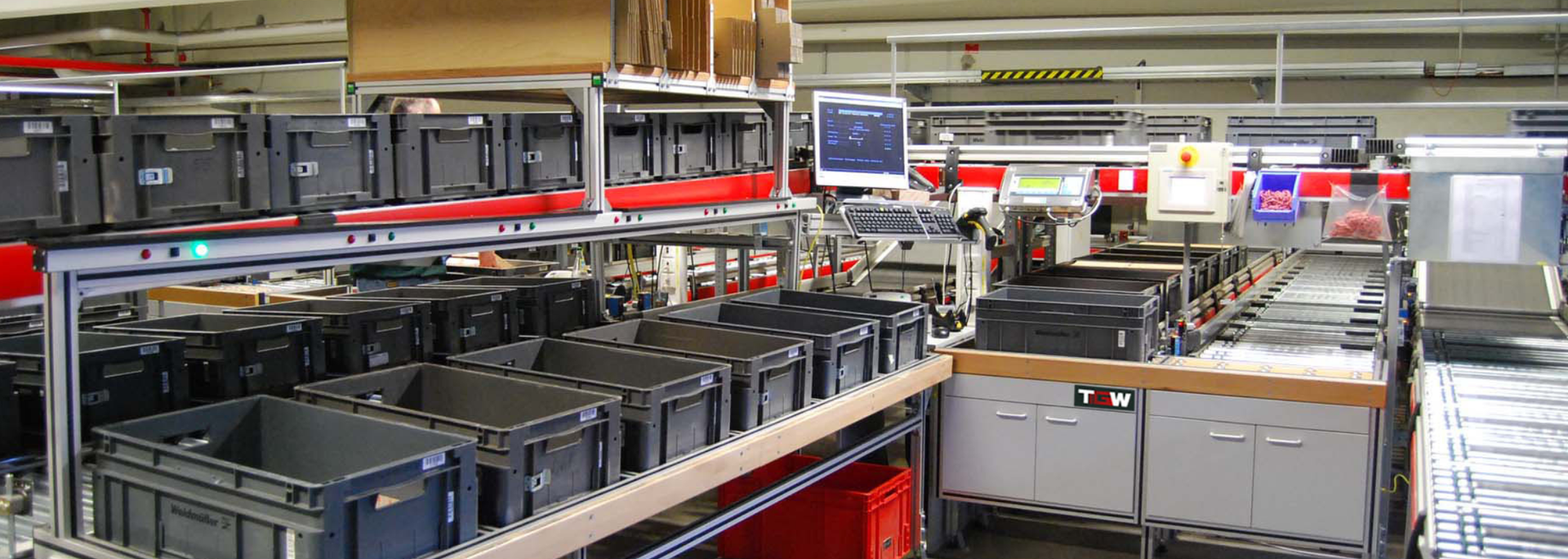
Picture of a packing station.


By contrast, person-to-goods (PTG) systems represent the traditional warehouse picking workflow. Workers move through the aisles to locate and retrieve items to be packed and shipped. The operator carries a cart, trolley or pallet jack to the goods.


 2. Automated storage and retrieval systems

Automated storage and retrieval systems (AS/RS) have been around since the 1960s. Over time, they've followed technological trends and become both smaller and more scalable.


They're a computer-controlled technology used to automatically store and retrieve goods in warehouses with minimal human labour or assistance.


The robots and shuttles that make up these systems maximise vertical space, making commercial rents and mortgages go further. They also improve order fulfilment accuracy by delivering items directly to operators.


3. Pick-to-light systems


Pick-to-light systems are paperless, light-guided order fulfilment tools used in warehouses to increase picking accuracy and efficiency.


They use illuminated LED displays and buttons attached to shelves. These guide operators to specific locations and tell them exactly how many of each item to pick.


Done right, pick-to-light systems can make picking procedures far more productive.


 4. Robotic picking systems

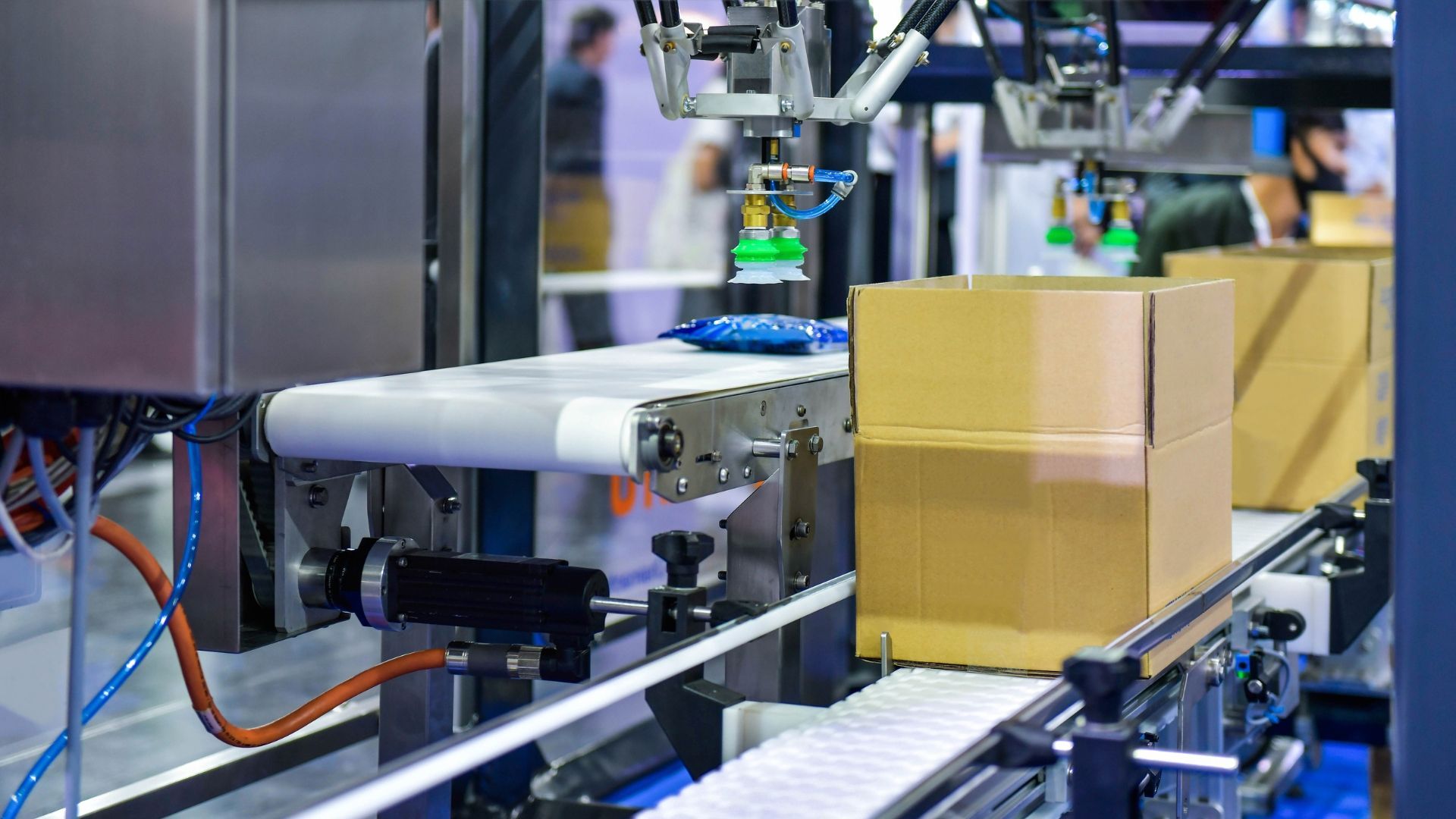
Robotic picking systems are automated warehouse technologies that use robotic arms, AI and vision sensors to identify, retrieve and move items.


There are many types of robotic picking systems on the market. All are purported to streamline order fulfilment and provide round-the-clock picking without the need for human staff.


5. Vision picking

Vision picking is an assistive technology that takes the form of hands-free, augmented reality smart glasses.

Visual instructions and pointers are overlaid on the real world, directing workers to the items they need to pick and scan.


The main selling point of vision-picking systems is that they enable workers to stay hands-free. This can improve efficiency and bring accuracy levels to near perfection. They're also extremely easy to use, meaning warehouse leaders can spend less on training.

6. Voice picking


Picture of a person using voice picking technology.

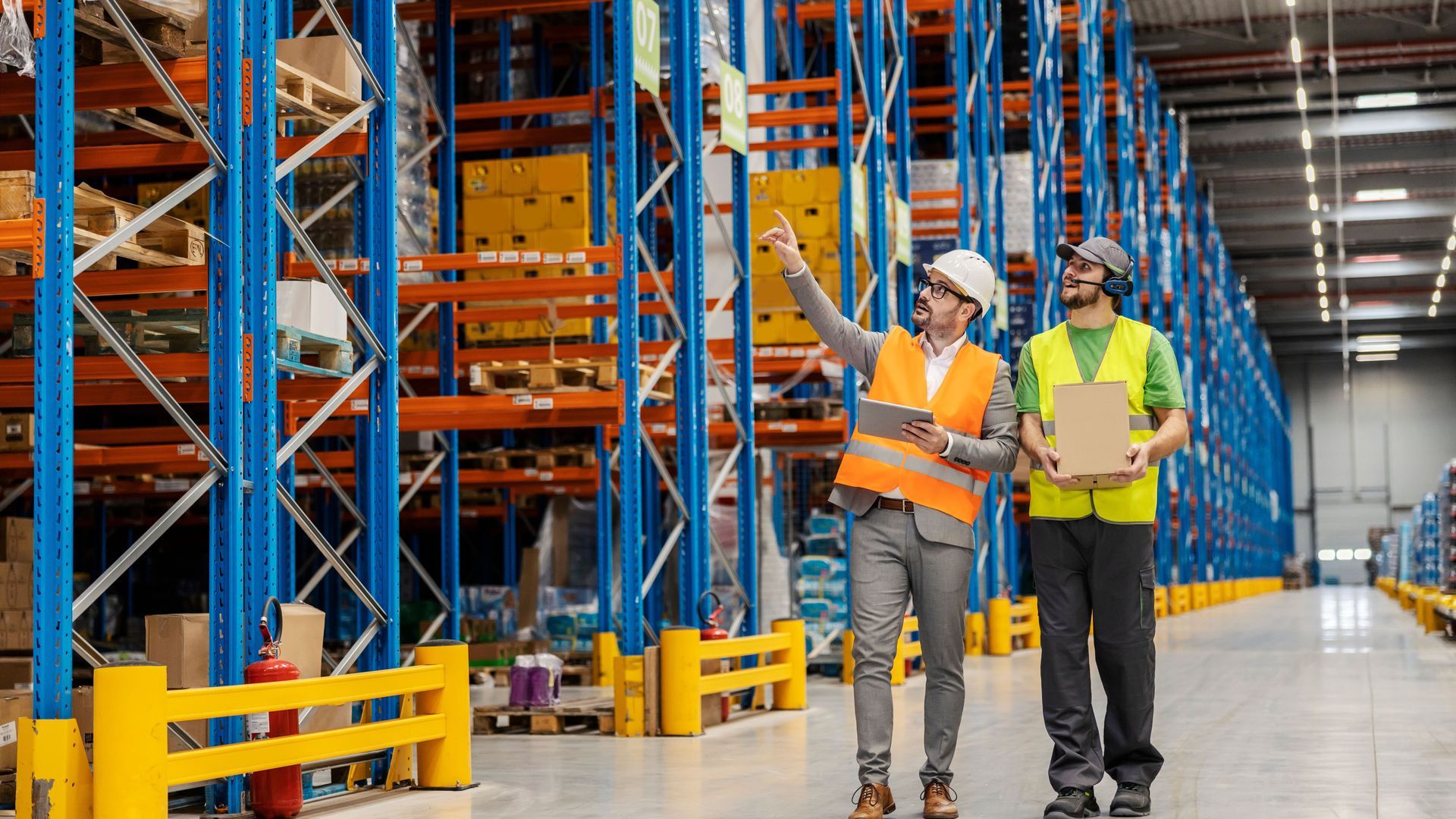
Voice picking consists of a headset through which workers receive verbal instructions. They then verbally confirm that the task has been completed with simple, easy-to-learn commands.


Like vision picking, voice picking allows for hands-free, eyes-up work that can increase efficiency, accuracy and speed.


7. Warehouse management systems


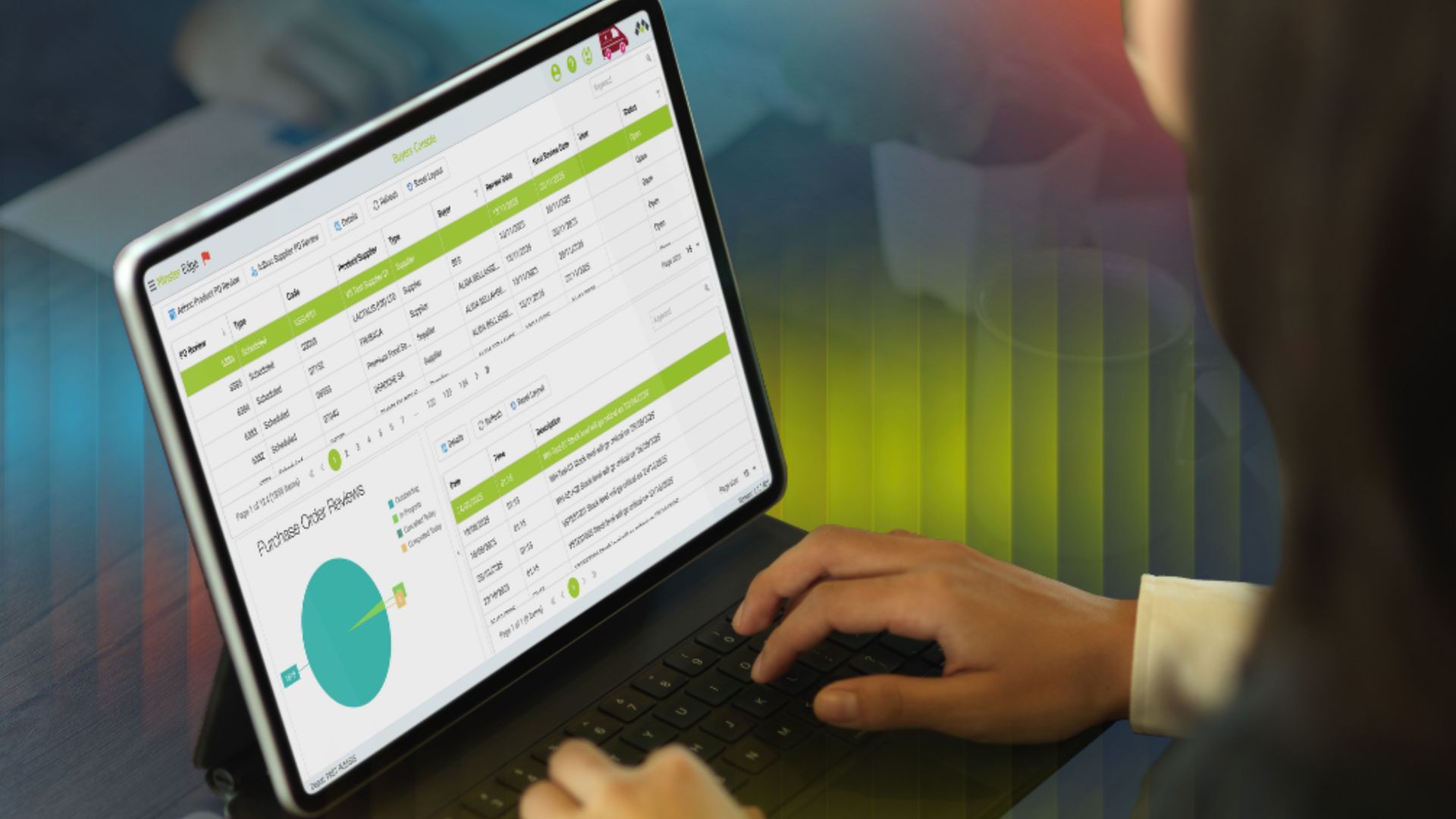
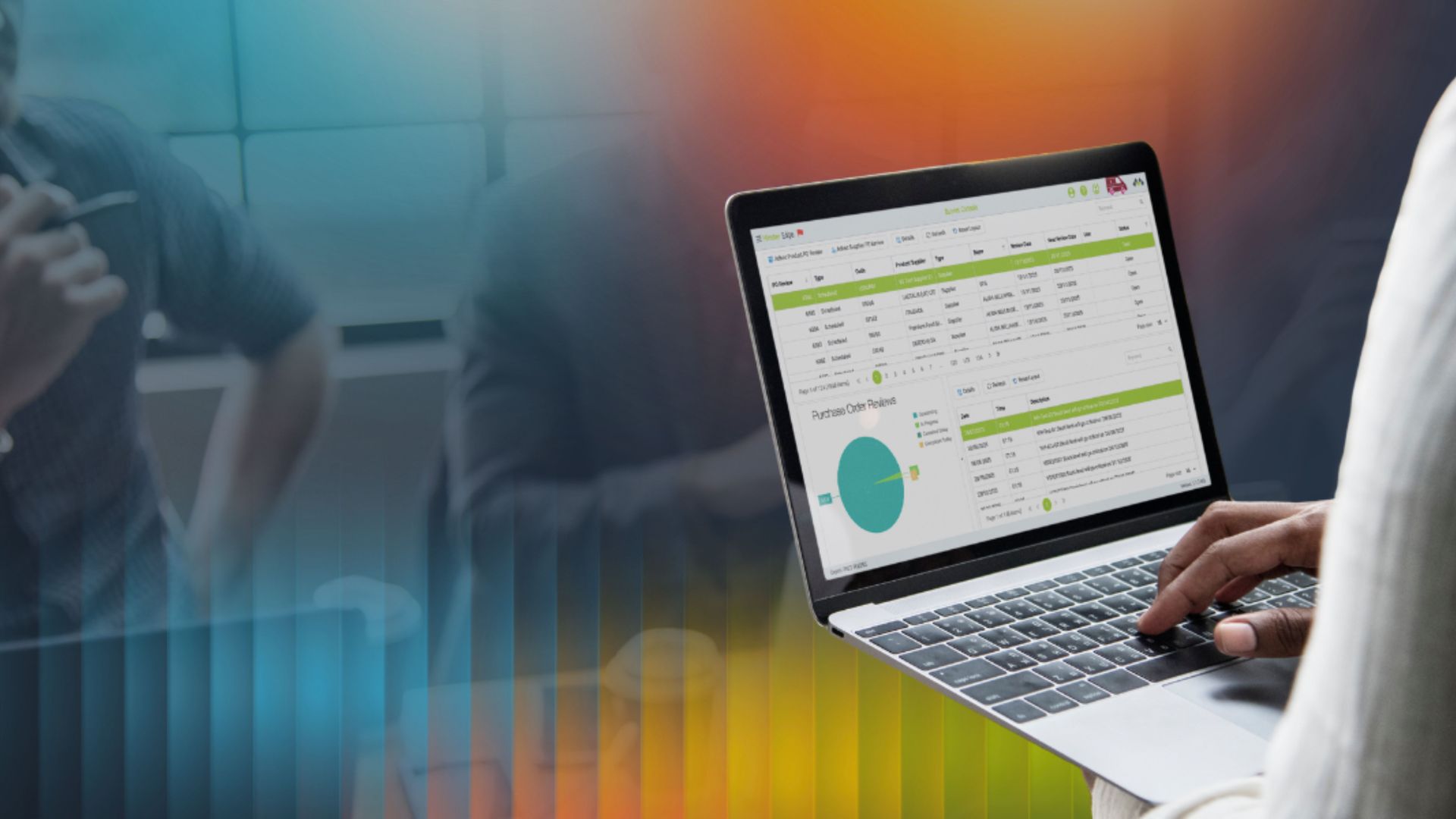
A warehouse management system (WMS) is a piece of software that acts as a central console for all tasks and processes making up a warehouse.


Barcode scanners, AR glasses and voice-picking headsets can all be integrated with the WMS. This means instructions are clear and incontrovertible and order fulfilment is recorded with near-perfect accuracy.


What are the key benefits of automated order picking systems?

Warehouses deploy automated order picking systems for a reason – or rather, for a number of reasons.


The first, of course, is that they increase productivity and speed. GTP systems and AMRs operate around the clock. They never get tired and they almost never make mistakes.


Moreover, technologies like barcode scanners, RFID scanners, voice-picking headsets and vision-picking glasses all reduce the number of mis-picks in an average day. This means customers get what they want when they want it, reducing returns and improving customer loyalty.


Automated order picking systems cost less than people. What's more, they can be seamlessly scaled up to handle increased seasonal or other demand.


When used in conjunction with humans, automated order-picking systems can increase safety by taking care of heavy lifting and other kinds of physical strain.


Optimising space is a constant challenge for warehouse leaders. Automated order-picking systems maximise vertical space and postpone the need for additional premises.


Finally, these technologies are often integrated with a WMS. This gives you real-time, round-the-clock visibility into all aspects of warehousing.


Based in the UK, Minster WMS develops cloud-based warehouse management systems to help businesses streamline their operations, improve accuracy and enable end-to-end visibility. Our systems include voice-picking software as standard, so you can hit the ground running with your automation strategy. Book a demo today to see our solutions in action.

Recent Posts

Do you know your AMR from your AGV? Explore the pros and cons of these types of warehousing robots.
by Simon Edward 4 September 2026
Do you know your AMR from your AGV? Explore the pros and cons of these types of warehousing robots.
Are you setting up an eCommerce business? You've got a lot of hard thinking to do.
by Simon Edward 31 August 2026
Are you setting up an eCommerce business? You've got a lot of hard thinking to do. Here are 10 questions to boost your chances of success.
What is fleet management and why does it matter? Learn the ABCs of fleet management,
by Simon Edward 28 August 2026
What is fleet management and why does it matter? Learn the ABCs of fleet management, including key challenges and technological solutions.
How is AI changing warehouse management? Explore the developments, benefits and challenges
by Simon Edward 24 August 2026
How is AI changing warehouse management? Explore the developments, benefits and challenges of this game-changing technology.
Warehouse mistakes cost money. But how much – and how can a warehouse management system help you
by Simon Edward 21 August 2026
Warehouse mistakes cost money. But how much – and how can a warehouse management system help you save?
Would your business benefit from customising WMS integrations? Explore your options and common use
by Simon Edward 17 August 2026
Would your business benefit from customising WMS integrations? Explore your options and common use cases in our industry guide.
There are different approaches to system integration – and each comes with pros and cons. Explore 4
by Simon Edward 14 August 2026
There are different approaches to system integration – and each comes with pros and cons. Explore 4 common system integration methods.
Are you looking for ways to optimise your FMCG warehousing operations? Explore 9 strategies
by Simon Edward 10 August 2026
Are you looking for ways to optimise your FMCG warehousing operations? Explore 9 strategies in our industry guide.
Are you shopping around for warehouse storage? Discover the benefits and considerations
by Simon Edward 7 August 2026
Are you shopping around for warehouse storage? Discover the benefits and considerations that come with 8 common warehouse racking systems.
Are you an SME looking for a WMS? Explore 6 reasons why deployment time matters
by Simon Edward 31 July 2026
Are you an SME looking for a WMS? Explore 6 reasons why deployment time matters when weighing up your options.
Show More