5 inventory management challenges and solutions
Explore 5 evergreen problems and state-of-the-art solutions in our inventory management industry guide.

Every warehouse is unique – and its uniqueness depends on a range of factors.
These range from the inventory stored to the leadership style, from the staff clocking in and out each day to the technological solutions deployed alongside them.
Yet despite this heterogeneity, most warehouses suffer from the same handful of problems. Sure, some challenges are specific to industries or arise under particular circumstances. But on the whole, all warehouses are trying to put out the same fires.
That's because all warehouses are fundamentally trying to achieve the same things. Staff, physical space and technology are all being leveraged to get goods from A to B accurately and efficiently.
The good news is that all these challenges can be sorted out. Resolving them can take hard thinking and long-term planning. But with the right systems in place, a warehouse can deal with pretty much anything.
In this article, we look at five common inventory management challenges – and how you can make them a thing of the past.
First up, the evergreen problem of inventory accuracy.
Problem #1: inventory inaccuracies
Inventory is the lifeblood of a warehouse. So, if there are discrepancies between what the screen is saying and what's on the shelves, you're going to come a cropper.
It's not just that your warehouse becomes less productive as you put out logistical fires. It's also that you keep the customer waiting – and in the age of next-day delivery, this isn't a luxury you can afford.
This is especially apparent in warehouses that rely on manual data entry, manual labelling and manual counting. All too often, they waste time (and money) locating lost items and accounting for failed deliveries.
Solution
Technology isn't always the answer. But in the case of inventory inaccuracies, it can undoubtedly make a positive difference.
Exchanging manual data entry with barcode scanners or RFID technology means stock can be tracked, traced and recorded immediately. What's more, there's no chance an item's identifying code or status will be mistaken.
Combined with an enterprise resource planning or warehouse management system (WMS), this gives you real-time, up-to-the-minute stock visibility.
Technology isn't the be-all and end-all, however. There are also steps management can take to instil more accurate procedures in staff.
First, warehouse staff should never assume that packing slips are correct. Instead, every delivery should be counted and scanned against the purchase order before it's unloaded onto the shelves.
Secondly, staff should be encouraged to put stock away immediately. This helps avoid the misplacement of stock left sitting unrecorded on the warehouse floor.
Finally, you can replace long, arduous annual physical audits with more regular cycle counting. This means you have accuracy all year round and weave cycle counting into your workflows rather than relying on one big day of disruption.
Problem #2: inefficient use of space

One of the most common challenges faced by warehouse managers is optimising physical space.
This is sometimes because warehouses are laid out in a way that doesn't use vertical space effectively. Other times, it's because the layout forces staff to take overly long and inefficient picking routes.
Solution
Perhaps the easiest – or at least the most reliable – way to maximise space is to think vertically. By adding vertical shelving, you use more of the space available to you without having to rent another premises.
Another strategy to consider is what's known as "dynamic inventory slotting". This is where goods are continually repositioned based on demand, seasonal sales patterns and picking frequency.
The fastest-moving items are placed closest to packing stations to shorten picker travel time and speed up order fulfilment.
This data will come from a WMS – another example of how it can make a positive difference to essential processes and help solve common problems.
Problem #3: demand fluctuations
For decades, even centuries, staying on top of seasonal fluctuations has seemed impossible. Unless you exclusively sell Halloween masks or Christmas tree lights, you're probably going to end up with either more or less inventory than you actually sell.
So, how do you buy the right amount of stock and make sure the customer gets what they want in good time?
Solution
The answer is demand sensing, also known as "demand forecasting". This is an AI-based tool found in many warehouse management systems. It looks at your sales and market changes and spits out a forecast for how much stock you'll need.
It's not 100% reliable because the future isn't 100% predictable. But if you're regularly struggling to keep on top of changes in demand, a WMS with demand forecasting tools will make a huge and quickly felt difference.
Problem #4: inventory shrinkage
Admin errors. Product damage. Theft. Misplaced items. All of these can lead to inventory shrinkage – the loss of goods that can negatively impact your profit margins.
Solution
The only way to tackle inventory shrinkage, especially in a fast-moving warehouse environment, is to tackle the root causes.
This could mean implementing a rigorous and regular cycle-counting calendar. It could mean a harder line on barcode errors. It could involve upgrading to a cloud-based, real-time WMS. All these steps can help prevent product loss and improve your warehouse's overall accuracy.
Problem #5: returns
Returns are a tricky proposition for warehouses in all sectors. The combination of unpredictable return volumes and labour-intensive replenishment procedures makes them a disruption to everyday inventory workloads.
Solution
One surefire way to solve this problem is to use a WMS that supplies real-time inventory updates. This helps you keep on top of an ever-changing returns process – and ensures accuracy as item statuses and locations change. Once you've made the change, you won't look back!
How we can help
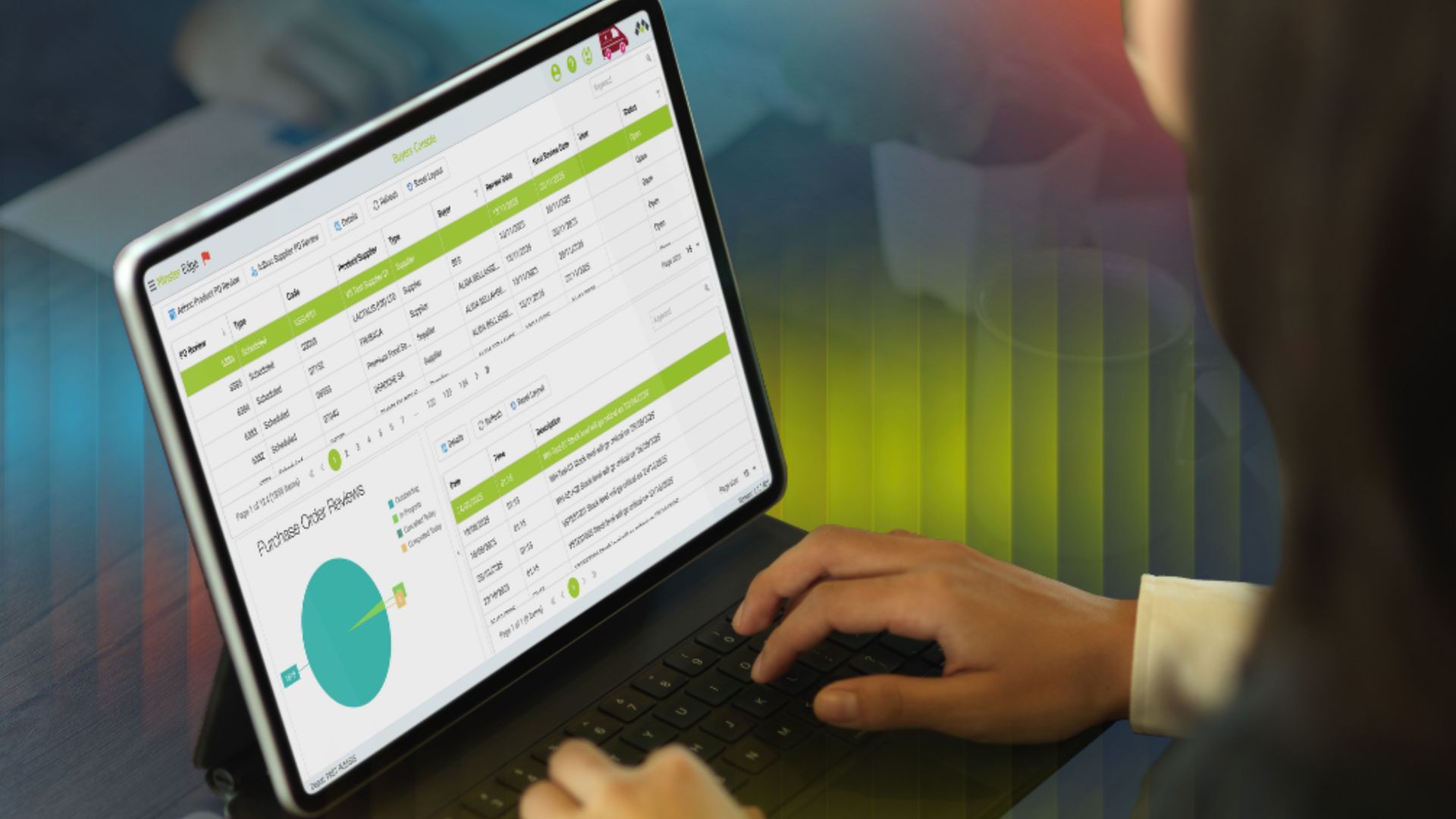
Based in the UK, Minster WMS develops warehouse management solutions with built-in SaaS inventory management software. With features like forecasting models, powerful reporting and web-based resource diaries, it gives you the tools you need to take control of your inventory.
Get in touch today to book a demo with our experts.