Inventory management vs warehouse management explained
What are the key differences between inventory management and warehouse management? Find out in our guide.

Warehouses contain inventories, and both need to be managed. What, then, is the difference between inventory management and warehouse management?
While they often overlap, these two areas of management have their own remits, approaches and tools.
At its most basic, inventory management is all about tracking, forecasting and replenishing stock.
Warehouse management, by contrast, is about the handling, storage and movement of that inventory.
You could say that inventory management answers the questions "What?" and "How many?" whereas warehouse management answers the questions "Where?" and "How?"
As a warehouse leader, you can't live without either. Both are essential tools for optimising the supply chain and ensuring that the right goods get to the right customers at the right time.
Those are the broad strokes. Now, let's dive into the details.
What is inventory management?
The point of inventory management is to make sure customers get the goods they ordered. To make this happen, measures need to be in place to ensure items aren't over- or under-stocked.
This is a balancing act with real-world consequences. Too much stock loses you money. Too little loses you customers.
For this reason, inventory needs to be monitored in real time – in some cases, across multiple warehouses.
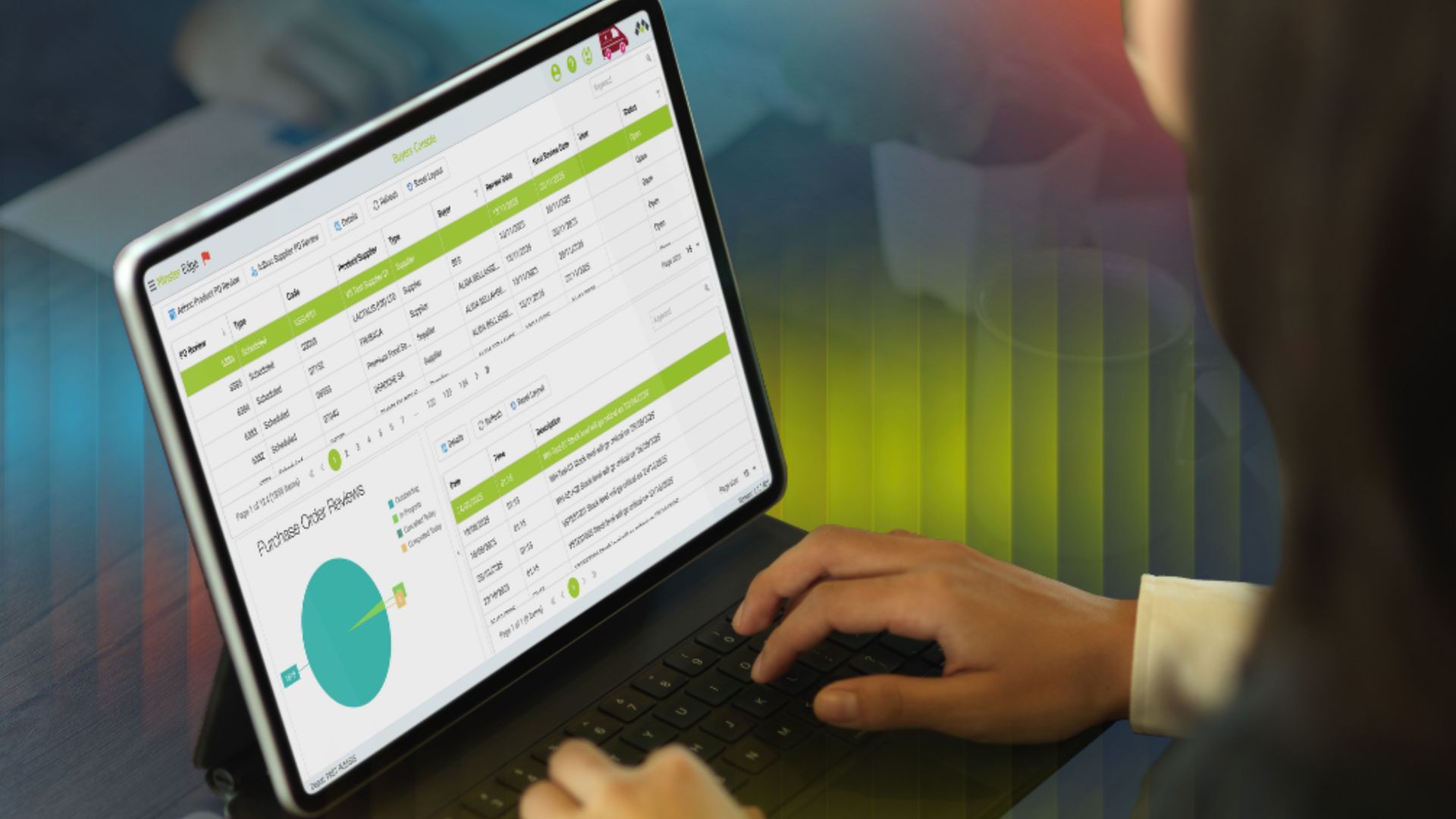
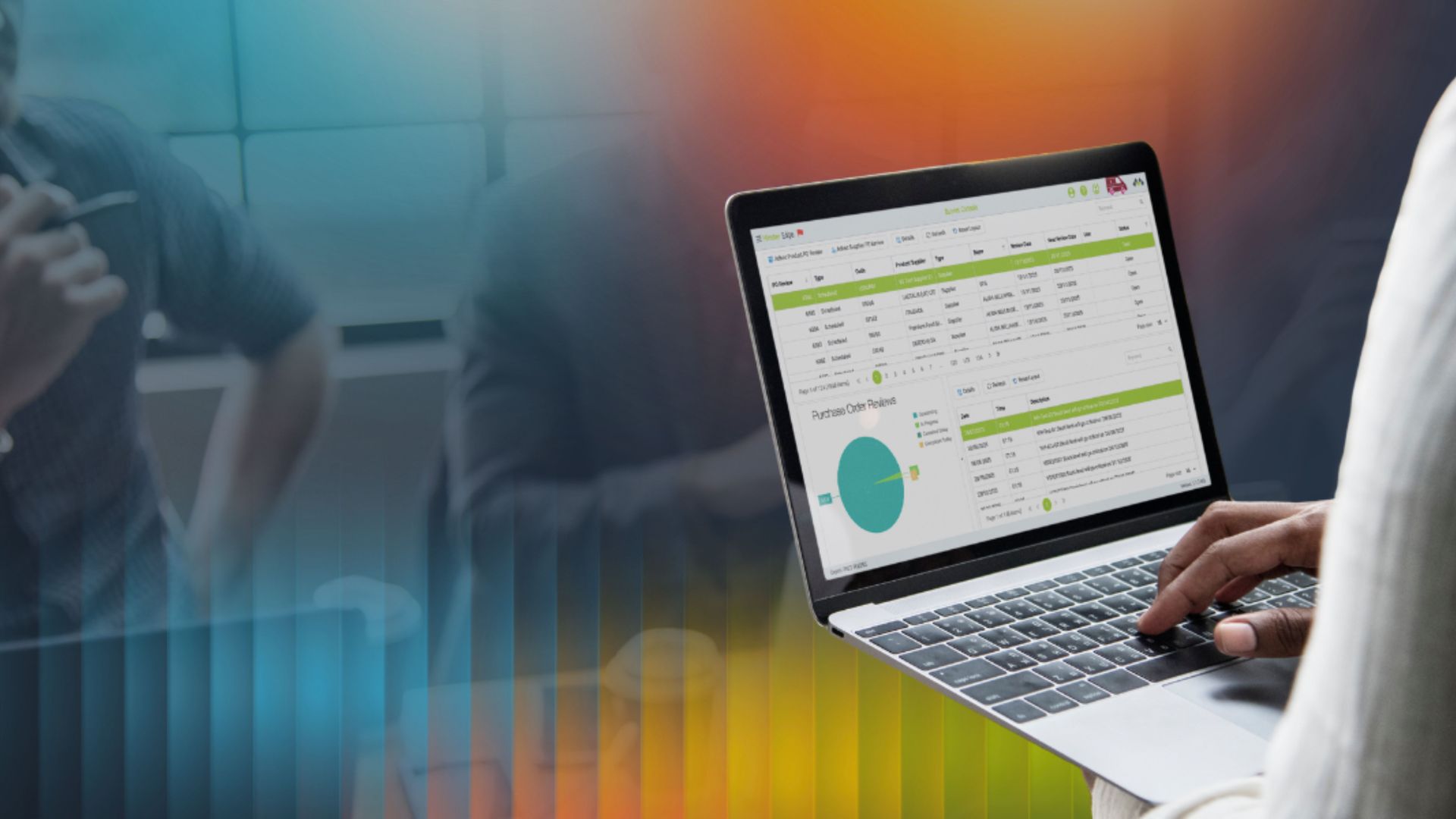
Many warehouse leaders use a warehouse management system (WMS) to provide accurate, round-the-clock visibility into all their inventory.
These software solutions also leverage data reporting features to forecast demand. This helps predict when products need to be reordered, and these predictions are all based on highly accurate data rather than guesswork.
Once these predictions are made, replenishment thresholds can be automated. Done right, this means that stock levels will always be optimised, saving money and boosting customer satisfaction.
That's inventory management – so, how about warehouse management? The differences are important for the smooth running of a warehouse.
What is warehouse management?

Inventory management is about how many items are in stock and when they need replenishing. Warehouse management, by contrast, is all about the movement of goods.
Receiving, picking, packing and shipping are all essential concerns for warehouse managers. You could say that, whereas inventory management optimises inventory, warehouse management optimises daily operations.
Warehouse management involves putting systems and processes in place to move goods at the lowest cost.
Of course, none of this would be possible without inventory controls. Accurate, real-time inventory data is a prerequisite for successful daily operations like receiving and putaway, picking and packing, shipping and returns.
Despite this overlap, many warehouse leaders see inventory management and warehouse management as separate areas of concern.
How do inventory management and warehouse management overlap?
Both inventory management and warehouse management are essential to the fulfilment of orders. Without adequate inventory control, the daily operations that comprise warehouse management can't be carried out effectively.
In many cases, inventory management is integrated with – or increasingly built into – warehouse management systems.
These allow warehouse leaders to monitor inventory, optimise warehouse processes and leverage data for decisions affecting both inventory and daily operations.
This is the case with our two warehouse management systems, CORE and EDGE. Both feature tools for inventory control and the optimisation of picking, packing, dispatching and returns.
What are the conceptual differences between inventory management and warehouse management?
So far, we've looked at the practical differences between inventory management and warehouse management.
There are also, however, a couple of conceptual differences. First of all, inventory management is strategic, whereas warehouse management is operational. In other words, inventory management is concerned with planning ahead, while warehouse management is focused on the here and now.
As noted, these overlap. Nevertheless, this conceptual difference can inform the decisions warehouse managers make when looking to optimise both inventory and operations.
Secondly, there's a difference in scope. The singular of "inventory" and plural of "operations" may lead you to think that warehouse management has a wider-ranging remit than inventory management. In fact, the opposite is true.

Inventory management, you see, concerns itself with the whole organisation, including all its warehouses, stores, lockers and other facilities.
Warehouse management, by contrast, is specifically concerned with the internal processes at one or more warehouses.
When should you focus on inventory management?
If your business is struggling to stock appropriately, you may need to turn your energies to inventory management. This will help cut inventory holding costs and make sure items are available for delivery when required.
If, on the other hand, your fulfilment processes are suboptimal and leading to mistakes and returns, you should focus on warehouse management.
This is partly a case of managing the space within a warehouse – for instance, maximising storage or making picking lanes more efficient.
In reality, focusing on one will likely involve considering the other. And in both cases, a WMS can help.
Does a WMS cover inventory management?
WMS stands for "warehouse management system". So, can a warehouse management system also cover inventory management?
The answer is a thumping yes. With our WMS software solutions, inventory control is taken care of with real-time visibility, tracking and movement within the warehouse.
How can you unify inventory management and warehouse management?
Inventory management and warehouse management are interdependent. Yet in many cases, they're treated separately. This leads many warehouse leaders to wonder how they can be integrated and streamlined.
The simple answer is that they need to be unified with a software solution. That could be an enterprise resource planning system (ERP) or a WMS.
Both have the capacity to increase visibility and accuracy in all aspects of warehouse and inventory management – from the moment an item arrives at the warehouse to the moment it's shipped.
Whichever you choose, you'll need a piece of software that can automate data capture, standardise data formats and integrate barcode or RFID scanning technologies.
At Minster WMS, we have developed highly capable logistics software solutions in the UK since 1978. Our warehouse management systems include a powerful inventory management platform that provides end-to-end visibility across your procurement process. Book a demo today to see it in action.