



What we can learn from the fastest-growing eCommerce websites
Looking to grow your eCommerce business? Discover actionable insights from some of the world's fastest-growing websites.

eCommerce is a complex field. For every opportunity, there's a complication. And for every company, there's a competitor. If you feel like you're stuck in the slow lane, you may be wondering what can be done about it.
Well, as so often in the business world, there's no one step you can take that will turn your fortunes around. And here at Minster WMS, we're not interested in prescribing silver bullets, miracle cures or handfuls of magic beans.
Instead, we put our faith in concrete solutions that have worked for other people. And the headlines are clear: making life easy for your customers and improving your data analytics are both surefire ways to grow your brand.
Looking at fast-growing brands like TikTok Shop, OnBuy, Douyin and Pinduoduo, it's clear, too, that livestream shopping, social shopping and content-led eCommerce are reaping rewards.
For many smaller brands, these models are harder to crack than a seamless shopping experience and data-driven decision-making – not impossible, but certainly harder.
So, there you go – that's what you need to do. But how to achieve it is another matter entirely.
Well, it certainly involves leveraging tech. That might mean employing a website designer with the latest tools or a modern warehouse management system (WMS) to boost your accuracy and productivity.
Here, then, are five lessons we've learned from the fastest-growing eCommerce websites. We hope they inspire you and help your brand grow.
1. Mobile-first matters
You don't need us to tell you that, these days, pretty much everyone uses their phone for pretty much everything. And if that statement comes as a surprise, well, take a look around you the next time you're on the bus or in a cafe.
And increasingly, customers are using their phones for shopping. This means that your eCommerce brand needs to be mobile-first.
If mobile compatibility and usability are an afterthought, people will click away from your site. Simple as. That's why it's imperative to get a website that loads well, reads well and sells well on mobiles, as well as laptops and other devices.
2. Checkout should be simple
Mobile-first matters because it makes life easy for customers – and at a time when eCommerce giants offer an exceptionally easy customer experience, this is all-important.
But it's not just mobile-readiness that can help build customer satisfaction. It's also making sure your checkout process is as simple as possible.
Want a potential customer to abandon their cart? It's easy. Just make the checkout process difficult. If, on the other hand, you want to see a spike in sales, you should make sure your checkout is as easy as ABC.
3. Good data drives good decisions
Time is a healer. Good data drives good decisions. Some clichés are clichés for a reason: it's because they're rooted in the truth.
In the 2020s, every company has shedloads of data to deal with. And we mean
every
company – from the local corner shop to McDonald's and Monzo.
Not every company, however, knows what to do with their data, despite the fact that it can hold up a mirror to your business. It can show you what sells when, the reasons for returns and even how your warehouse layout can be improved.
The same goes for predictive demand. Unless you sell pumpkins or Easter eggs, it's hard to know exactly when there'll be spikes and drops in demand.
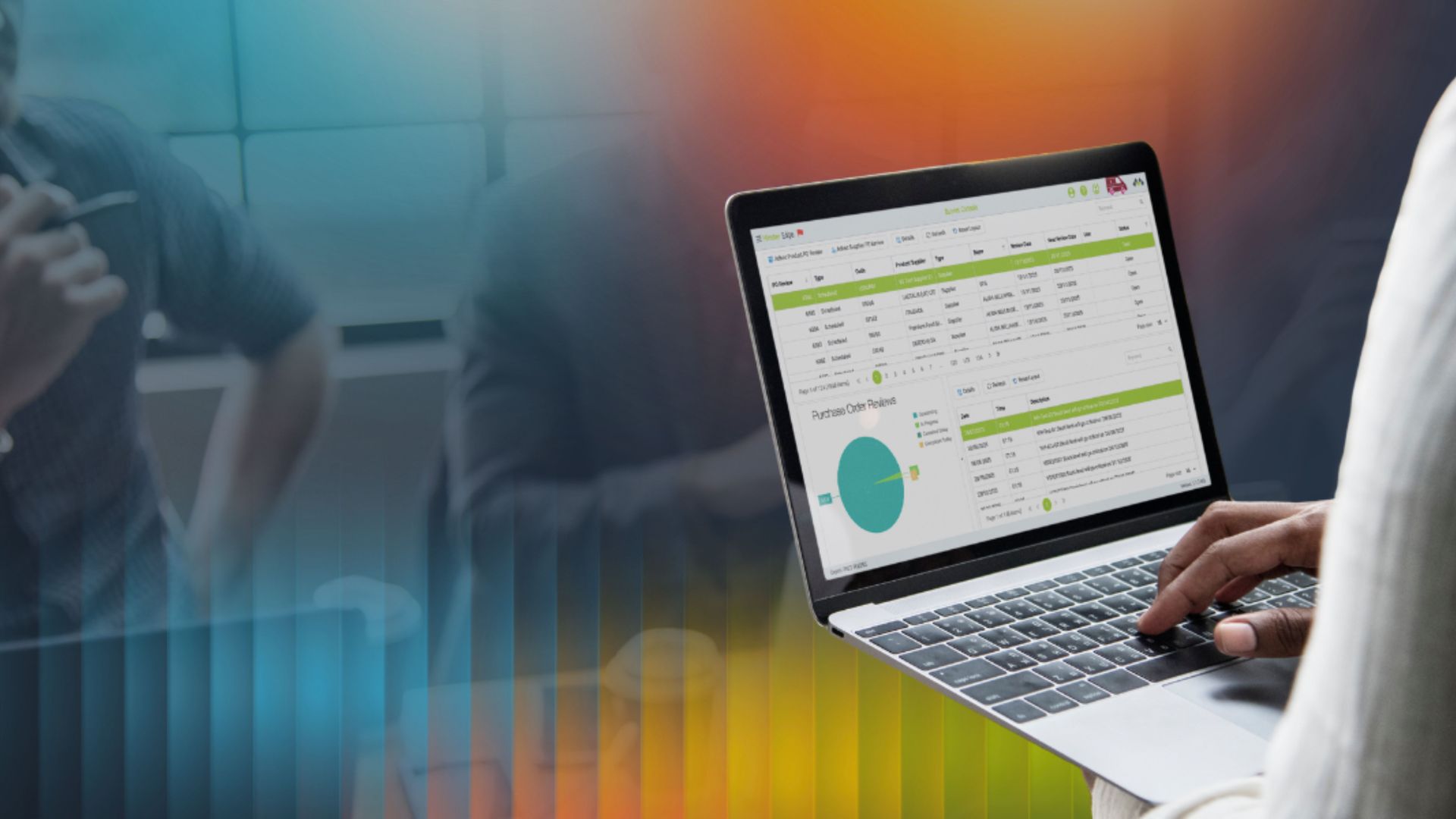
A cloud-based WMS provides easily accessible data analytics that can be used to inform decision-making on these very subjects. At the end of the day, it's all about trading in gut instinct for objective assessments – something that the fastest-growing eCommerce websites have got down to a tee.
4. Content is king
Increasingly, fast-growing eCommerce sites rely on content as much as traditional, direct-sales advertising.
From livestreaming to tie-ins with influencers, it looks more and more like content is king when it comes to eCommerce growth. This is partly because it puts retailers in close contact with customers and encourages them to make snap purchases.
Smaller businesses may not have the reach of these eCommerce titans. However, it still pays to increase search engine visibility through SEO and develop an engaged customer base through blogs, social media posts, videos and livestreams. These are all wise investments at a time when these media are used so frequently.
5. Sustainability sells
However much you believe in the value of sustainability, there's no doubt that customers, on the whole, consider it important. Communicating your commitment to sustainability reassures customers that you're not driven entirely by profit.
Most fast-growing eCommerce websites trumpet their green credentials – and it's something that you, as a budding rival, should also take seriously. At the very least, you should put aside time to formulate a green policy for your website.
6. Warehouse efficiency wins the day
What keeps the customer satisfied isn't a mystery. Above all, they want the thing they ordered on time and in good condition. Simple, right?
Well, yes and no. Sometimes, eCommerce companies prioritise lights, camera and action over the backstage procedures that make them possible.
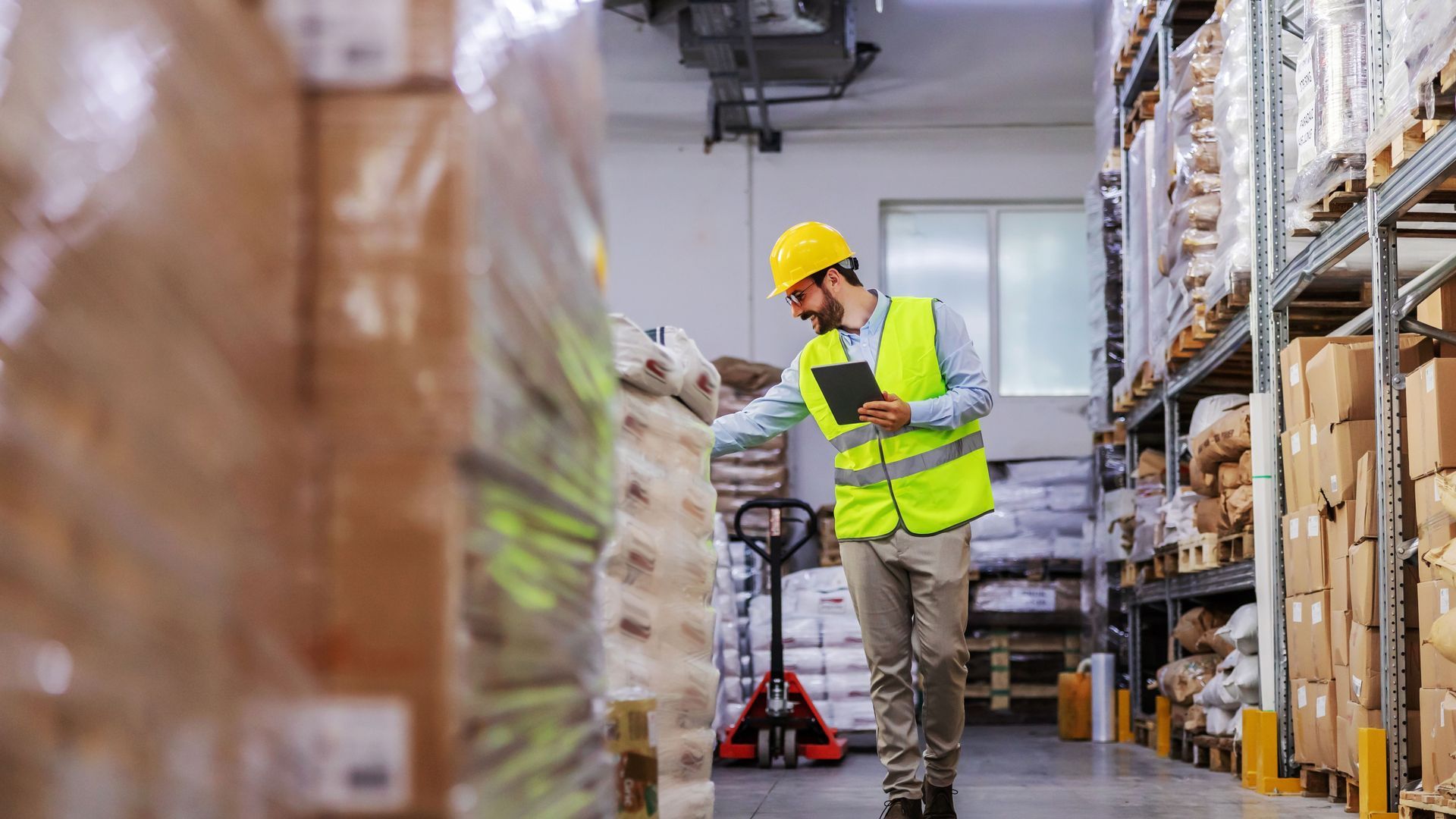
This is, of course, partly achievable through good web design. But every good website needs a good warehouse behind it. Without warehouse efficiency, you can't guarantee that the customer will get what they asked for.
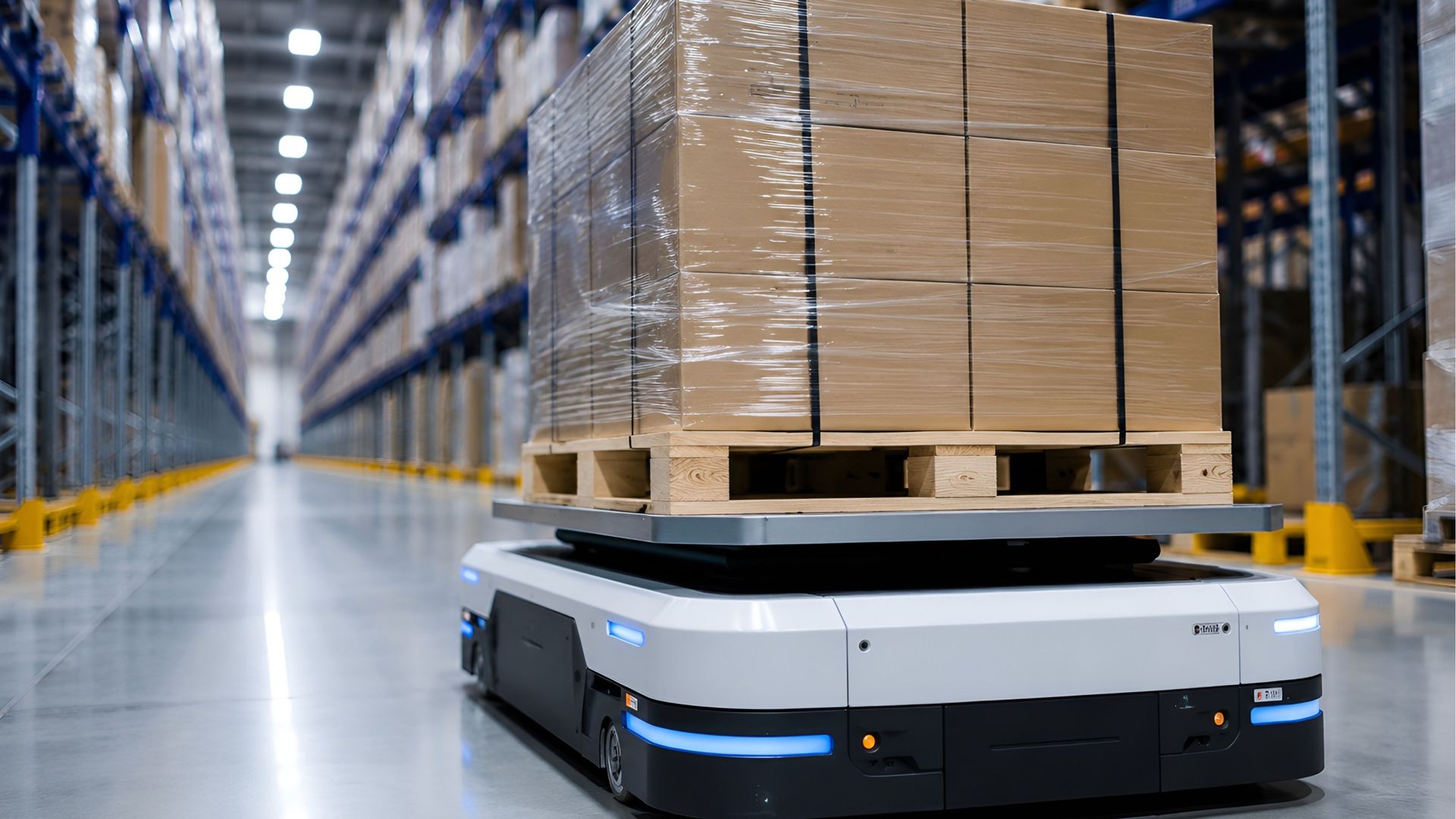
This is true of every fast-growing eCommerce brand: the warehouse is as slick as the website. This is mostly achieved by ensuring optimum warehouse layouts and leveraging new tech like voice picking and robotics. And it's something a cloud-based WMS can help turn from dream into reality.
Are you looking for an eCommerce WMS that can support your goals for growth? At Minster WMS, we build systems that are quick to deploy and transform operational data into actionable insights. Book a demo today to learn more about how our solutions can fuel your future.