
Warehouse management glossary: industry terms explained
Don't know your FIFO from your LIFO? Get to grips with essential warehouse management terminology in our glossary.

Work in a warehouse for long enough, and you'll notice just how many industry-specific terms get thrown around.
As with most business lingo, these terms serve a purpose. Why say "storage location" when you could say "bin"? And why bother with the mouthful, "periodically counting a subset of your stock", when you could say "cycle counting"?
Nevertheless, the sheer volume of terms can be overwhelming. We hope this glossary gives you a crash course in warehouse-ese.
Key warehousing terms you need to know
Advanced shipping notice (ASN)
Detailed information sent by a supplier to the receiver before a shipment arrives.
Automated guided vehicle (AGV)
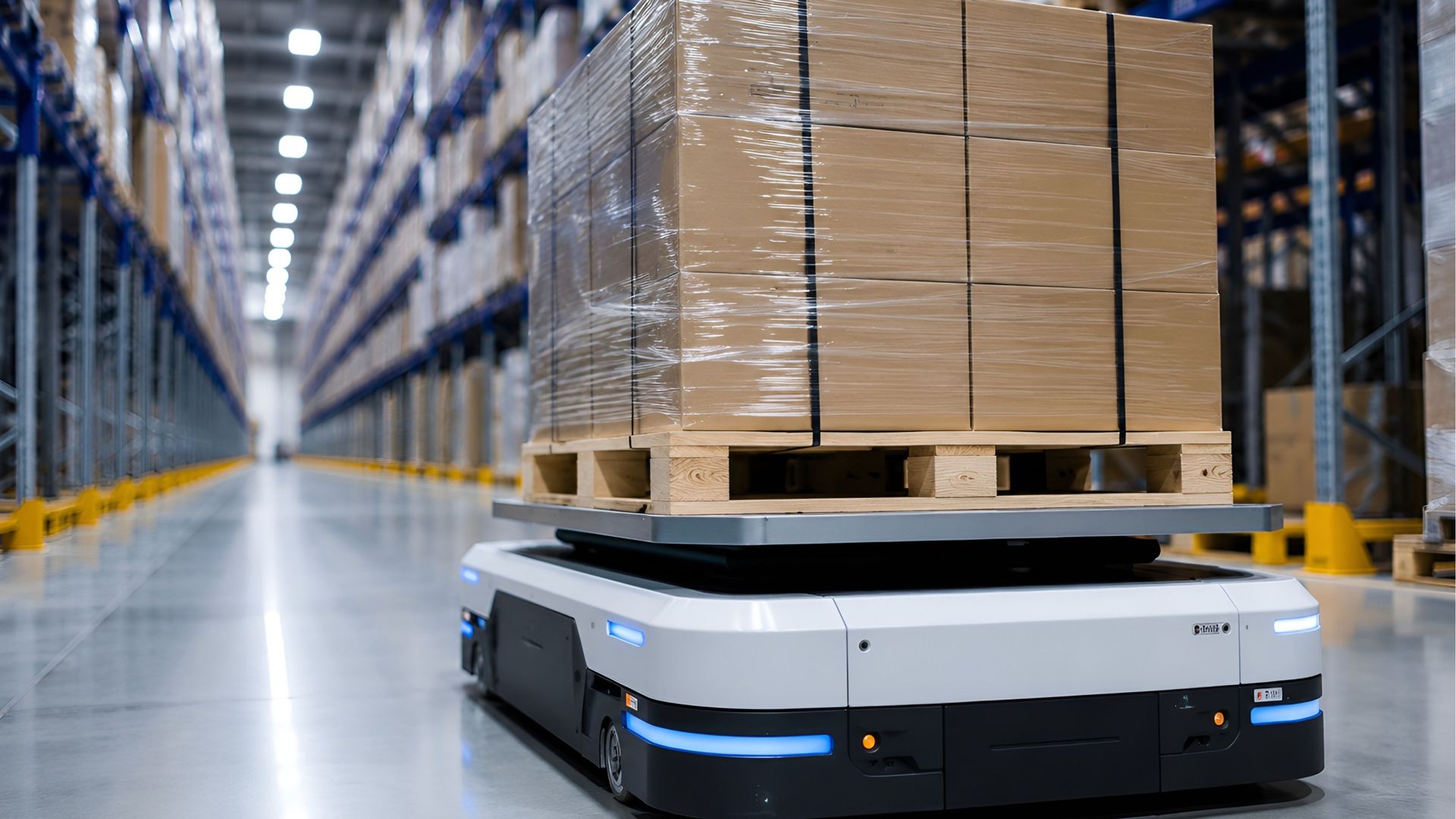
A portable, computer-controlled, driverless robot used to transport goods along fixed paths.
Autonomous mobile robot (AMR)
Driverless vehicles that use sensors, cameras and AI to transport goods and assist in order picking.
Automated storage and retrieval systems (AS/RS)
Computer-controlled, robotic systems that automatically place, store and retrieve inventory.
Bin
A place in the warehouse where inventory is stored.
Bonded warehouse
Also known as a "customs warehouse", a bonded warehouse is a secure, government-approved facility where imported goods can be stored before customs duties and VAT are paid.
Cross-docking
Unloading materials from incoming vehicles directly onto outbound vehicles. This streamlines the loading and unloading processes.
Cycle counting
A way of auditing inventory accuracy by counting a small subset of stock regularly.
FIFO/LIFO
First-in, first-out (older items shipped first) or last-in, first-out (newer items shipped first).
LTL/FTL
Less than truckload (smaller shipments) or full truckload.

Order fulfilment
The complete process of an order, from making the sale to delivery.
Packing
Sorting, boxing and preparing picked items for shipping.
Picking
Collecting items from storage before packing and shipping.
Radio-frequency identification (RFID)
A kind of wireless, non-contact technology that uses radio waves. In warehousing, it's used to track inventory from warehouse to delivery.
Reverse logistics
The process of handling returned items. This covers repairs, recycling, restocking and reselling.
Safety stock
Extra inventory held in case of a stockout (see "stockout") due to supply delays or demand surges.
Shrinkage
Inventory loss, whether due to theft, damage or internal errors.
Slotting
Where products are placed in the warehouse according to velocity (speed of sale) in order to improve picking efficiency.
Stock-keeping unit (SKU)
A unique code assigned to a product to help track inventory levels.
Stockout
A situation where inventory falls short of demand.
Third-party logistics (3PL)
A provider that offers outsourced logistics services, including warehousing, transportation and fulfilment.
Transportation management system (TMS)
Software used to plan, execute and optimise the transportation of goods.
Voice picking
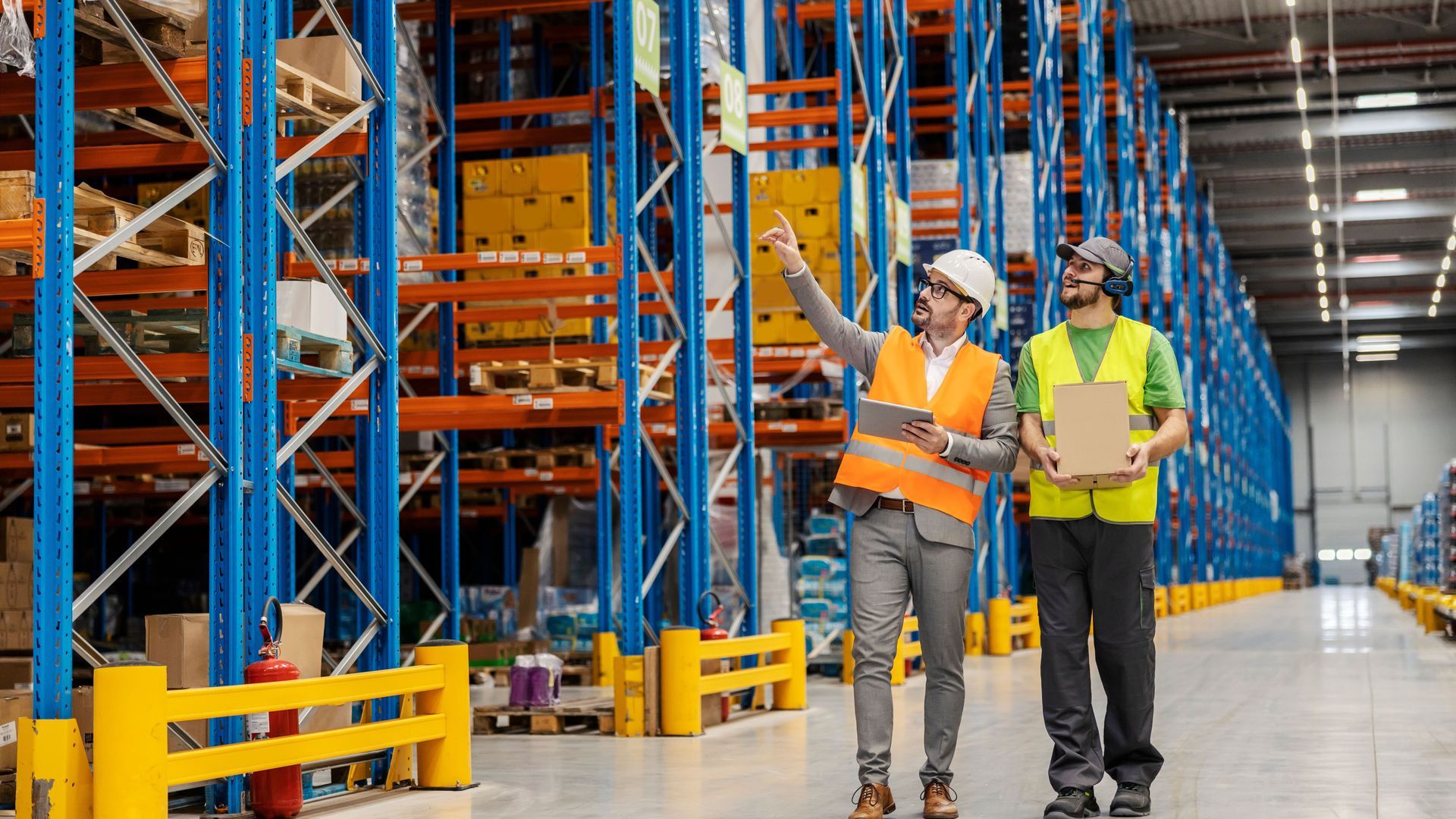
A picking system where workers receive verbal instructions over headsets, ensuring their hands are free and their eyes are on the products.
Warehouse management system (WMS)
Software that manages, tracks and optimises daily warehouse operations and inventory. Many WMS products can be integrated with existing warehouse solutions.
Founded in 1978, Minster WMS is a UK provider of cloud-based warehouse management software. For more industry tips and insights, follow our blog.