
6 warehouse changes that can fuel eCommerce growth

Simon Edward • 9 March 2026

Share this article

Want to take your eCommerce brand to the next level? Found out how changes to your warehouse can help fuel growth.


Want to take your eCommerce brand to the next level? Found out how changes to your warehouse can help fuel growth.

eCommerce presents a curious mixture of easy wins and hard graft. On the one hand, startup costs are low and you can start making money within days. On the other hand, long-term growth can be hard to come by – not least because the field is so overcrowded with sellers.


So, how do you make your brand stand out? Like any business growth plan, it involves several moving parts. You need a website optimised for mobile use and search engines. You need a seamless purchasing process for the customer. You need ads, R&D and positive reviews.


But there's something more fundamental than all of this – something that's literally the heart of your operations. This is your warehouse.


From one perspective, it's obvious why the warehouse is the engine room of any eCommerce enterprise. It's here that orders are stored and fulfilled. If processes are inefficient, your business as a whole is inefficient, too.


Of course, not every eCommerce brand runs its own warehouse. Many choose to outsource storage and fulfilment to third-party logistics firms (3PLs). But if you do run your own warehouse, its smooth running is as essential to your eCommerce firm as a functioning email account.


Hopefully, you've got the basics covered: a clean, organised space where staff can carry out their jobs safely and efficiently. But did you know there are other steps you can take to fuel growth?


These range from space optimisation to automation and robotics, from reverse logistics to warehouse management software. All require planning – but in our view, it's planning that will almost certainly pay off.


So, without further ado, let's examine six warehouse changes that can fuel eCommerce growth.


1. Space optimisation

A warehouse is a place to store things. So far, so obvious. But are you optimising storage to keep your costs down?


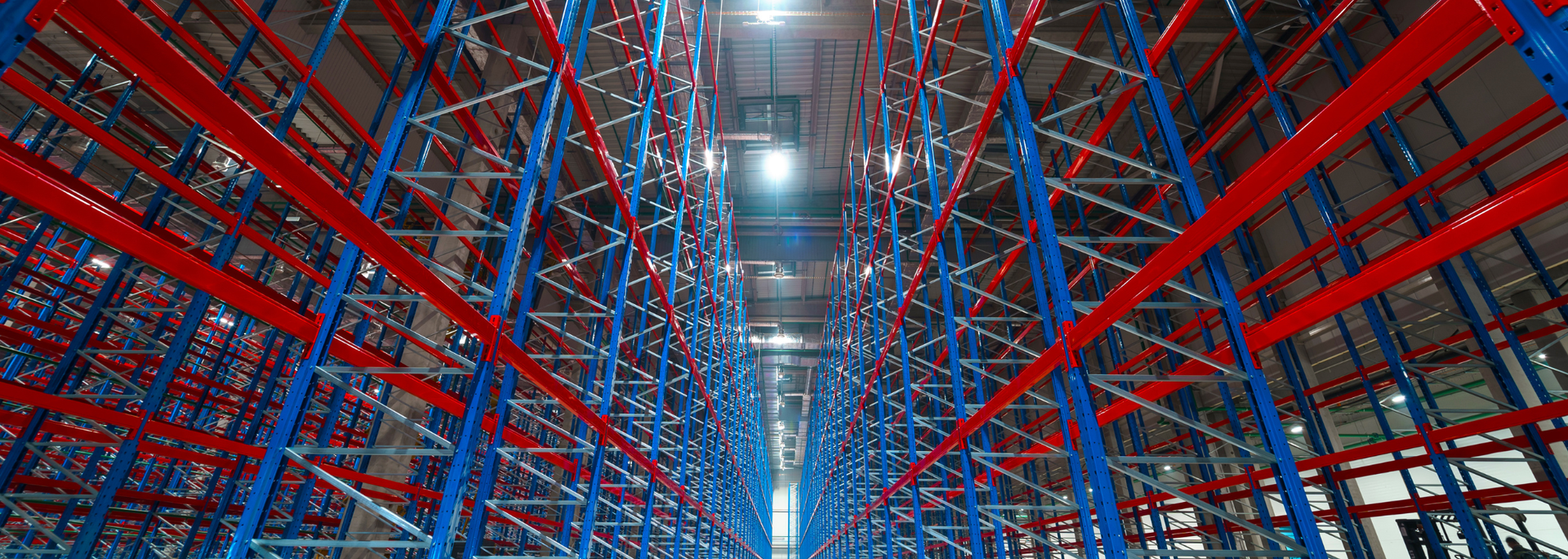
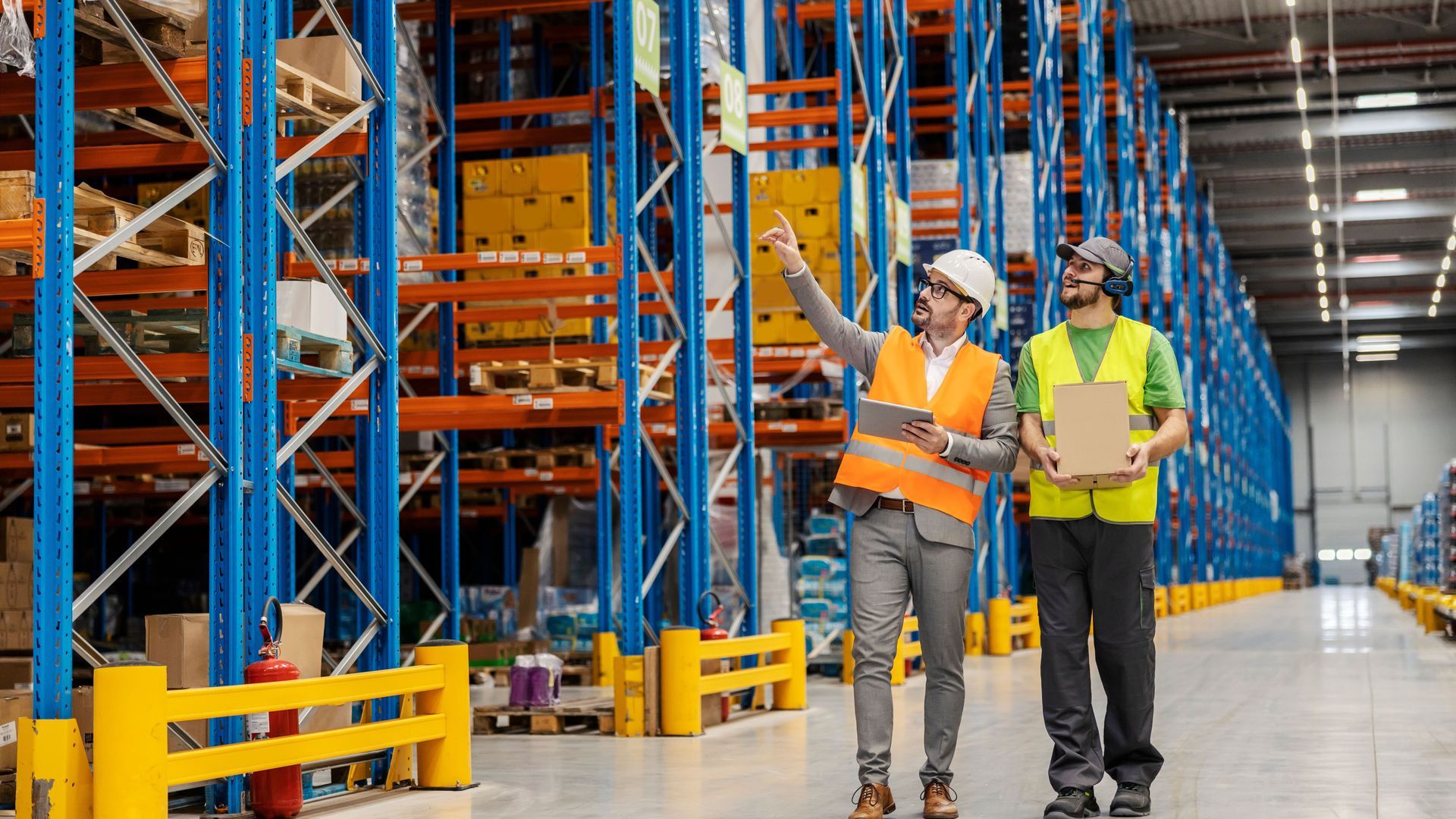
There are a couple of relatively quick fixes you can make to optimise space. The first is to implement vertical storage expansion. High-bay racking means you're using up more space without having to pay for more square footage.


Picture of high stacking shelving.

Of course, the key consideration here is how staff will safely access those higher shelves. Some businesses solve this problem by using warehouse robots for picking from a height.


Then there's "dynamic slotting". This involves frequently changing the location of products based on real-time sales data. The aim: to keep high-demand items close to packing stations for an efficient fulfilment process. 


2. Advanced automation and robotics

Warehouse automation is as old as the colour TV. Today, warehouses still use robotics that resemble those used in the 1950s and 1960s. More and more, however, these classic solutions are supplemented by AI-powered and sensor-fitted robots.


If you're looking to grow your eCommerce brand, there are three main ways that warehouse robotics and automation can help.


Autonomous mobile robots

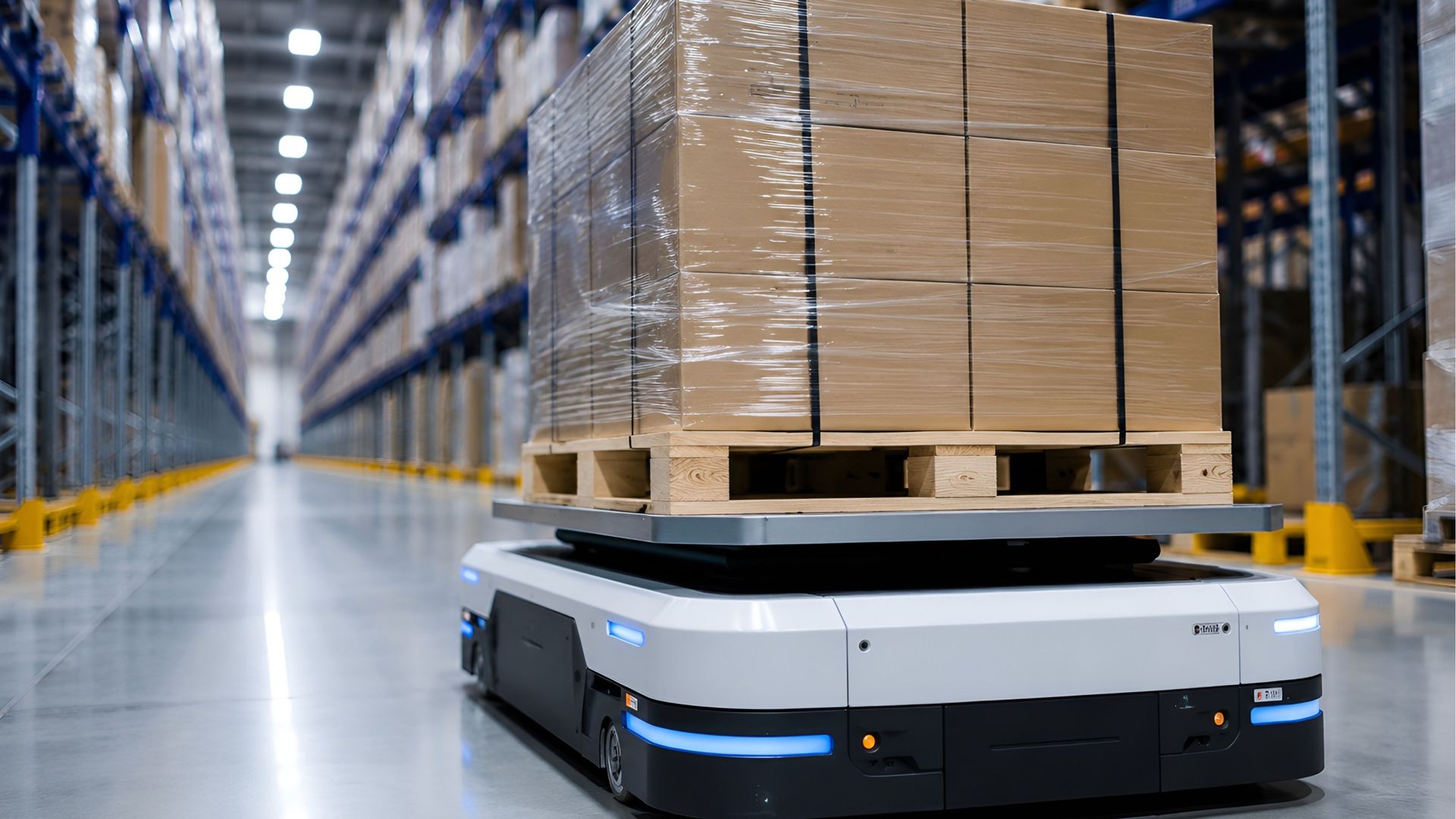
Autonomous mobile robots (AMRs) transport goods through your warehouse, reducing your reliance on manual labour. When deployed correctly, they make your warehouse workflows more efficient.


Goods-to-person systems

Goods-to-person (G2P) systems bring products to workers who then complete the workflow. They include robotics picking arms, shuttle systems and grid-based robots. As with AMRs, the aim of these G2P systems is to increase speed and efficiency.


Automated storage and retrieval systems

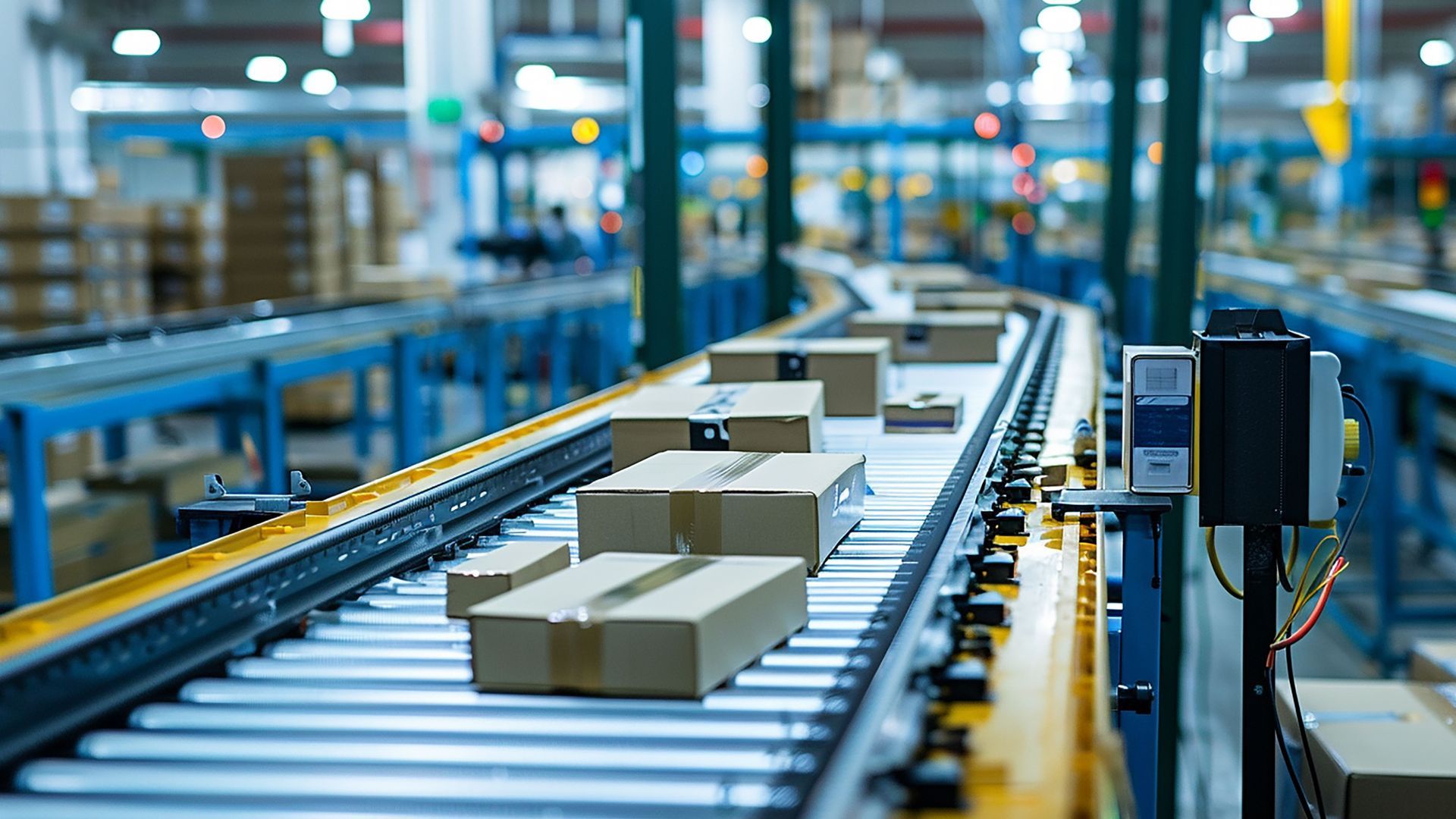
Finally, there are automated storage and retrieval systems (AS/RS). These are computer-controlled systems that automatically pick up and put down goods from storage locations.


3. Data analytics and AI

Like it or loathe it, AI is the talk of tech town. In the world of warehouse management, too, it's making more waves than the Pacific Ocean.


There are a few applications of AI in the warehouse that have the potential to fuel growth. The first is demand forecasting. This is where algorithms analyse past data to predict demand, reducing the chances of stock-outs and over-stocking.


AI is also used to make inventory placement smarter. Sales data can be easily generated and accessed, letting you know which items are moving fastest. This helps reduce picking times by placing fast-moving items at easily accessible workstations.


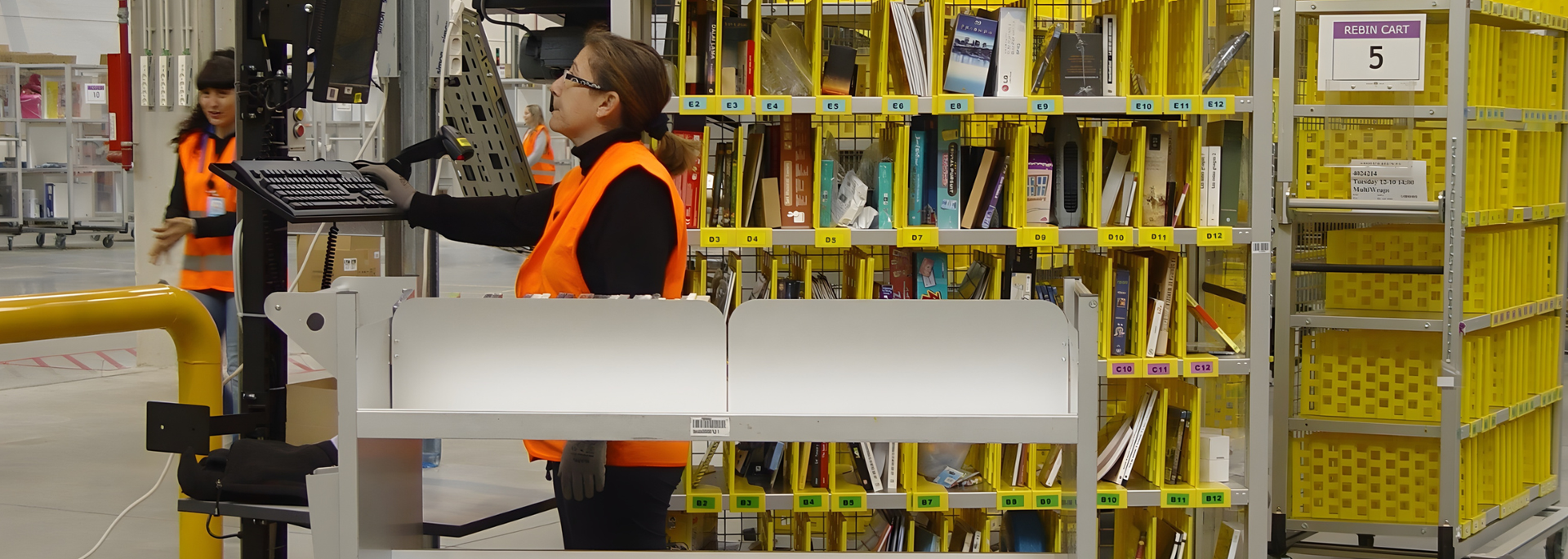
Picture inside a warehouse, looking at AI sorting.


And finally, there's real-time tracking. Workers (both humans and robots) can be fitted with sensors that send real-time location tracking to the warehouse management system. This gives warehouse managers end-to-end visibility over all aspects of their warehouse operations.


4. Reverse logistics

Where does the supply chain end? For many eCommerce businesses, it ends when the product reaches the customer. But canny eCommerce firms pay close attention to reverse logistics – the return of items to the warehouse that can be reworked, refurbished and resold.


A robust reverse logistics policy takes a bit of planning. But done right, it can increase your bottom line and your customer satisfaction in one fell swoop.


5. Sustainability

These days, sustainability does double duty for eCommerce brands. On the one hand, it helps save the planet. On the other hand, it saves you money.


Running a sustainable warehouse could involve:

  • Increasing your energy efficiency
  • Using smart tech to monitor energy consumption
  • Investing in electric equipment
  • Moving closer to transport hubs to cut your transport emissions

6. Cloud-based warehouse management systems

Cards on the table: we provide warehouses with cloud-based warehouse management software. So, we're firm believers in the power of a good WMS to increase the visibility, productivity and accuracy of your operations.


But a cloud-based WMS doesn't just benefit you. By integrating with voice picking systems, your workers can do more with less stress. Dedicated client portals, meanwhile, give customers the transparency they need to trust your brand.


With the right software and the right approach, this can translate into the growth you need.


Are you looking for a cloud-based eCommerce WMS to help drive sales and increase efficiency? Book a demo with Minster WMS today to find out how we can help you turn visibility into growth.

Recent Posts

Want to make managing inventory more efficient? Explore specific, measurable and achievable KPIs
by Simon Edward 16 March 2026
Want to make managing inventory more efficient? Explore specific, measurable and achievable KPIs to get you there.
Want to avoid inventory loss? Find out how rework and refurbishment can help
by Simon Edward 13 March 2026
Want to avoid inventory loss? Find out how rework and refurbishment can help – and how a WMS plays its part.
We're joining other innovators in warehousing and logistics at IntraLogisteX 2026 in Birmingham.
by Simon Edward 6 March 2026
We're joining other innovators in warehousing and logistics at IntraLogisteX 2026 in Birmingham. Find out where we'll be and what to expect.
Is inventory management a burden to your business? You might want to consider VMI. Learn how
by Simon Edward 27 February 2026
Is inventory management a burden to your business? You might want to consider VMI. Learn how it works and how it might benefit you.
To stock a warehouse effectively, you need a sense of future demand. Find out how
by Simon Edward 23 February 2026
To stock a warehouse effectively, you need a sense of future demand. Find out how expert opinion and warehouse management systems can help.
The last-mile problem is a head-scratcher for businesses that deal with deliveries.
by Simon Edward 20 February 2026
The last-mile problem is a head-scratcher for businesses that deal with deliveries. Discover what it is and 6 tools that can help you solve it.
Are you a warehouse-based business looking to take your picking and packing to the next level?
by Simon Edward 16 February 2026
Are you a warehouse-based business looking to take your picking and packing to the next level? Explore 5 strategies in our guide.
The world of logistics is fraught with risks. Discover 5 common pitfalls –
by Joel Porter 13 February 2026
The world of logistics is fraught with risks. Discover 5 common pitfalls – and how to mitigate against them.
Find out how good data can help fuel better decision-making in warehouse management –
by Simon Edward 9 February 2026
Find out how good data can help fuel better decision-making in warehouse management – and how a cloud-based WMS can help.
How can technology unlock efficiencies in your warehouse? Explore 6 transformative tools
by Simon Edward 6 February 2026
How can technology unlock efficiencies in your warehouse? Explore 6 transformative tools in our guide.
Show More