


What is rework and refurbishment in fulfilment?

Simon Edward • 13 March 2026

Share this article

Want to avoid inventory loss? Find out how rework and refurbishment can help – and how a WMS plays its part.


Want to avoid inventory loss? Find out how rework and refurbishment can help – and how a WMS plays its part.

Running a business often involves pursuing multiple aims simultaneously. A classic example: how do you save money without sacrificing the quality of your products and, by extension, your brand's reputation?


Throw in a desire to produce and operate sustainably, and you may start to feel like you've been asked to climb a mountain and run a marathon at the same time.


There are, however, things you can do to successfully pursue multiple aims at once. Some of these fixes are technological: moving to the cloud, for instance, or investing in a SaaS warehouse management system (WMS).


Others are procedural. They involve changing how you do things on the warehouse floor so as to kill two birds with one stone. A great example of this is rework and refurbishment.


These are aspects of reverse logistics – that extra step at the end of the supply chain that brings goods from the customer back to you. They involve restoring returned or damaged products to a saleable condition.


In the case of rework, this could entail fixing, relabelling or repackaging items. In the case of refurbishment, it might involve repairing, cleaning and testing items.


The result is to avoid valuable inventory getting chucked in the landfill. This is valuable for two reasons. First, it avoids inventory loss and recaptures monetary value. And secondly, it helps your firm become more sustainable.


Let's take a closer look at these reverse logistics processes and how they can help you grow. First up: what is rework in fulfilment?


What is rework in fulfilment?

Rework in fulfilment refers to the process of modifying, repairing or repackaging stock within a warehouse to ensure products are saleable and compliant. The focus is on making products meet their original manufacturing specifications (or new ones if changes have been made).


Reworking a damaged product might involve repairing, reboxing or repackaging an item that was damaged during shipping. This ensures the product recaptures its value and isn't consigned to landfill.


Picture of landfill.

Rework can also involve ensuring compliance in the event that regulatory requirements or retailer demands change. A new barcode might be applied, for instance, or a label updated for a new market.


Returned items are inspected and fixed so they can be returned to inventory and sold again. Sometimes, rework gets creative, with warehouse staff bundling and kitting products for promotional purposes.


All of these activities point towards the same benefits: saving money by retaining products and maintaining, cementing or building a reputation for high quality.


That's rework. So, how about refurbishment?


What is refurbishment in fulfilment?

On the face of it, rework and refurbishment are similar. But there's a subtle difference in emphasis. Whereas rework is about fixing defects so products meet original manufacturing specs, refurbishment is more comprehensive and more cosmetic.


Refurbishing a product in fulfilment is like refurbishing a building. The aim is to restore a used product to make it "like new" once again.


This involves inspecting, cleaning, repairing and repackaging products that have returned damaged. Like rework, the aim is to reduce waste, cut costs and recover product value by turning returns into further sales.


Products are inspected for faults, then cleaned and repaired. Parts are replaced and the product tested to ensure it meets relevant technical standards. They're also touched up cosmetically to look as good as new.


Refurbishment is most common in electronics, machinery and appliances. Once refurbished, products are often graded to indicate their condition.


As with rework, refurbishment is all about reducing landfill, reselling inventory and improving a business's overall sustainability.


How can a WMS help with rework and refurbishment in fulfilment?

If you want to add rework and refurbishment to your reverse logistics processes, a WMS can help.

Without a good WMS, rework and refurbishment are likely to be chaotic manual tasks as you struggle to keep on top of piles of damaged goods.


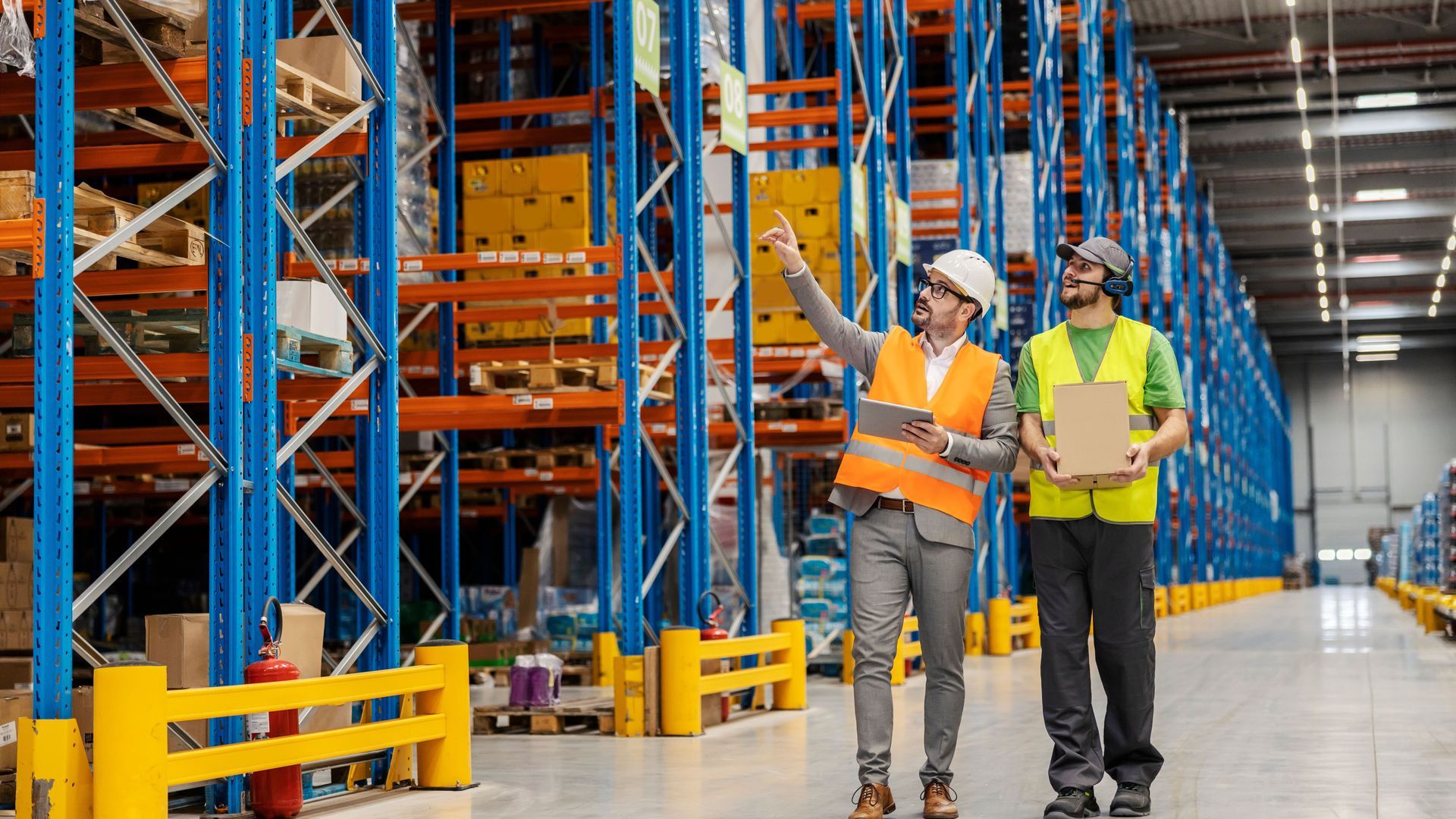
Picture of a person using Minster software within a warehouse.

With a good WMS, however, rework and refurbishment become as efficient and well-organised as the rest of your workflow.


This is primarily because a WMS provides end-to-end visibility into all items in your inventory – and that includes returned items.


Once inspected, returned items can be quickly categorised according to condition. You could have a group of items that need repair, a group of items for re-kitting, a group of items for refurbishment and so on.


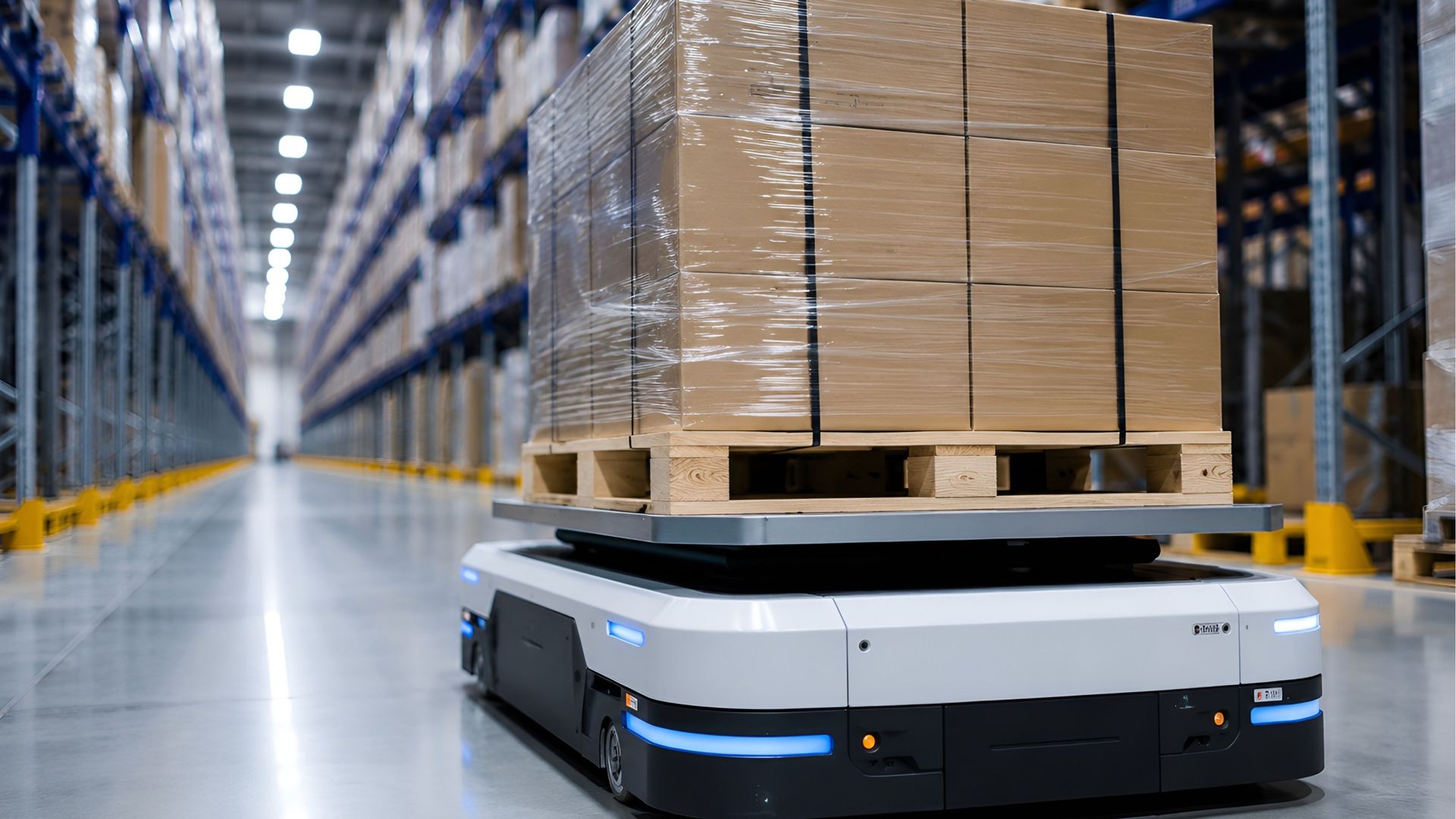
When integrated with robotics, the WMS can then automatically direct items that need to be repaired, refurbished or kitted to their relevant workstations. This means fewer decisions have to be made by staff – and less time is taken overall.


Warehouse management systems are all about increasing visibility. In the case of rework and refurbishment, this is felt in the way the WMS tracks the progress of the refurbishment.


The result is complete accountability for every step of the item's journey, ensuring compliance and (when supplemented with a dedicated client portal) customer satisfaction.


Stock levels are automatically updated, refurbished items are quickly categorised according to their new status and the reuse of packaging, containers and pallets is tracked.


Moreover, your WMS can provide step-by-step inspection checklists to ensure that reworked and refurbished items meet relevant quality and technical standards before going back on the shelves.


All of this is valuable in itself. But the data trail created has another purpose. Cloud-based WMS software can generate reports with just a few clicks – reports that provide objective analysis of sales trends and inform future decisions.


You could rework and refurbish without a WMS – but we wouldn't recommend it. Once you've made the change, you won't look back.


Are you looking for a software solution to help with rework and refurbishment? Our WMS products include a fully featured, cloud-based returns management system. Please don't hesitate to contact Minster WMS to discuss your needs or book a free demo with our UK experts.


Recent Posts

Want to make managing inventory more efficient? Explore specific, measurable and achievable KPIs
by Simon Edward 16 March 2026
Want to make managing inventory more efficient? Explore specific, measurable and achievable KPIs to get you there.
Want to take your eCommerce brand to the next level? Found out how changes to your warehouse
by Simon Edward 9 March 2026
Want to take your eCommerce brand to the next level? Found out how changes to your warehouse can help fuel growth.
We're joining other innovators in warehousing and logistics at IntraLogisteX 2026 in Birmingham.
by Simon Edward 6 March 2026
We're joining other innovators in warehousing and logistics at IntraLogisteX 2026 in Birmingham. Find out where we'll be and what to expect.
Is inventory management a burden to your business? You might want to consider VMI. Learn how
by Simon Edward 27 February 2026
Is inventory management a burden to your business? You might want to consider VMI. Learn how it works and how it might benefit you.
To stock a warehouse effectively, you need a sense of future demand. Find out how
by Simon Edward 23 February 2026
To stock a warehouse effectively, you need a sense of future demand. Find out how expert opinion and warehouse management systems can help.
The last-mile problem is a head-scratcher for businesses that deal with deliveries.
by Simon Edward 20 February 2026
The last-mile problem is a head-scratcher for businesses that deal with deliveries. Discover what it is and 6 tools that can help you solve it.
Are you a warehouse-based business looking to take your picking and packing to the next level?
by Simon Edward 16 February 2026
Are you a warehouse-based business looking to take your picking and packing to the next level? Explore 5 strategies in our guide.
The world of logistics is fraught with risks. Discover 5 common pitfalls –
by Joel Porter 13 February 2026
The world of logistics is fraught with risks. Discover 5 common pitfalls – and how to mitigate against them.
Find out how good data can help fuel better decision-making in warehouse management –
by Simon Edward 9 February 2026
Find out how good data can help fuel better decision-making in warehouse management – and how a cloud-based WMS can help.
How can technology unlock efficiencies in your warehouse? Explore 6 transformative tools
by Simon Edward 6 February 2026
How can technology unlock efficiencies in your warehouse? Explore 6 transformative tools in our guide.
Show More