


Automated purchasing: what it is and how it works
What is automated purchasing and how can it help your business procure more effectively? Find out in our guide.

In the world of warehousing, great emphasis is placed on what happens within the four walls of the warehouse: namely, picking, packing and dispatching.
But there's another, equally crucial aspect to warehouse operations that requires a different set of tools and skills. This is procurement – bridging the gap between your supplier and your customers, with you as the intermediary.
Procurement, also known as purchasing, helps you ensure your business has the right inventory at the right time. What this looks like will depend entirely on your business's goals and existing customer base. But whoever you are and however big you are, the word "right" is all-important.
As well as getting the right inventory, you need to get it cost-effectively. The way you approach procurement is a key factor in controlling costs and getting the materials you need for a reasonable price.
One tool in the pursuit of this goal is automated purchasing, also known as "automated procurement". Essentially, this automates core purchasing tasks, enabling you to make more purchases without hiring more staff.
So, how does it work – and what technology can help? To answer that question, we first need to explain exactly what automated purchasing is.
What is automated purchasing?
At its most basic, automated purchasing is the use of software to manage the whole procure-to-pay (P2P) cycle. This covers the process of acquiring goods from end to end, starting with the identification of needs and ending with supplier payment.
Many businesses still rely on manual purchase orders and invoices to fulfil the P2P cycle. This has its advantages. But while manual purchasing is far from a bad idea, it's vulnerable to human errors.
Automated purchasing takes those core tasks and makes them routine, optimal and free from human input. These tasks include generating orders, directing purchase requests (routing approvals) and matching invoices – all more accurately and more quickly than humans can manage.
What purchasing tasks can be automated?
Purchase order generation

Done manually, purchase orders (POs) take time. To speed up the process, you can use software to automatically create POs based on inventory thresholds and reorder points.
To do this, you need accurate, real-time inventory management – and the best way to achieve this is through a trusted modern WMS.
Approval routing
Unless your business consists of a handful of employees, POs will need to be approved by designated managers, finance staff or department heads. They will review the request and identify whether it fits agreed-upon budgetary and other restrictions.
As with the POs themselves, this approval routing process can be automated. Specific requests can be linked to specific individuals or job roles. This gives staff one less job to do and ensures the process is carried out accurately. It also speeds up approval cycles.
Three-way matching
Three-way matching is the process of validating supplier invoices by comparing them against the original PO and goods receipt or delivery report.
It's an essential part of the procurement process. It can help detect fraud, reduce errors and even improve your relationship with your suppliers. And like all these processes, it can be automated for increased speed and accuracy.
Vendor management
Vendor relationships can be hard to manage – especially if you're juggling multiple contracts at once.
By automating vendor management, you can use software to accurately track vendor performance against your key performance indicators. This reduces the margin of human error and allows for round-the-clock data accessibility.
Integrations
Chances are, your warehouse runs on multiple solutions. You may have a WMS, an ERP, accounting software, a CRM or some combination of those pieces of software.
To ensure data accuracy, these systems need to be connected. Many automated purchasing solutions allow you to do so seamlessly, making sure that the right hand always knows what the left is doing.
What are the benefits of automated purchasing?

There are four main benefits to automated purchasing:
- Cost reductions
- Time saving
- Improved compliance
- Greater visibility
These increase in importance as your warehouse operations become bigger and more complex, making automated purchasing a worthwhile investment for growing and ambitious businesses.
1. Cost reductions
Automated purchasing spots inconsistencies and minimises – or removes entirely – manual entry mistakes. This means fewer overpayments and fewer stockouts.
2. Time saving
With accuracy comes speed. The procurement cycle as a whole is time-consuming. Automated purchasing has the power to drastically cut the time spans involved.
3. Improved compliance
If compliance is giving you a headache, automated purchasing can act as an aspirin. All purchases can be automatically checked for compliance, ensuring company policies are followed and keeping the spectre of GDPR at bay.
4. Greater visibility
Finally, automated purchasing gives you superb visibility into several aspects of your operations – from spending patterns to vendor performance.
These benefits are felt more and more as your operations scale up. Automated purchasing lets you process a higher volume of purchases with onboarding and training more staff.
Can a WMS help with automated purchasing?
To implement automated purchasing, you need the right software. Standalone products and tools exist as well as integrated solutions.
You can also invest in a cloud-based WMS that includes automated purchasing tools. This allows you to enjoy all the benefits of automated procurements alongside real-time inventory, demand forecasting and stock threshold triggers.
It's also possible to use a WMS in conjunction with dedicated procurement software. But if you leverage a solution like ours, there's no need to implement and manage multiple systems.
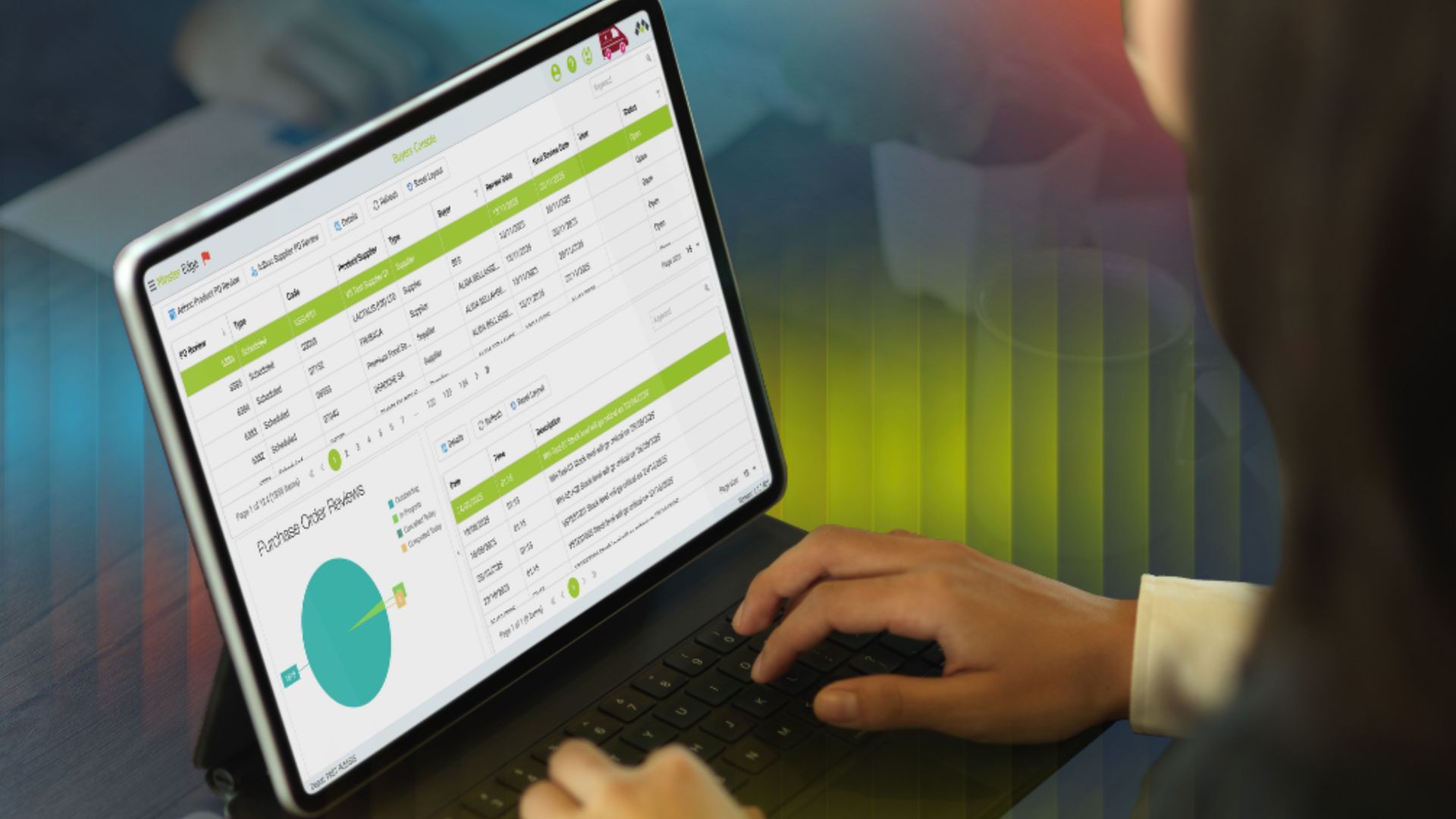
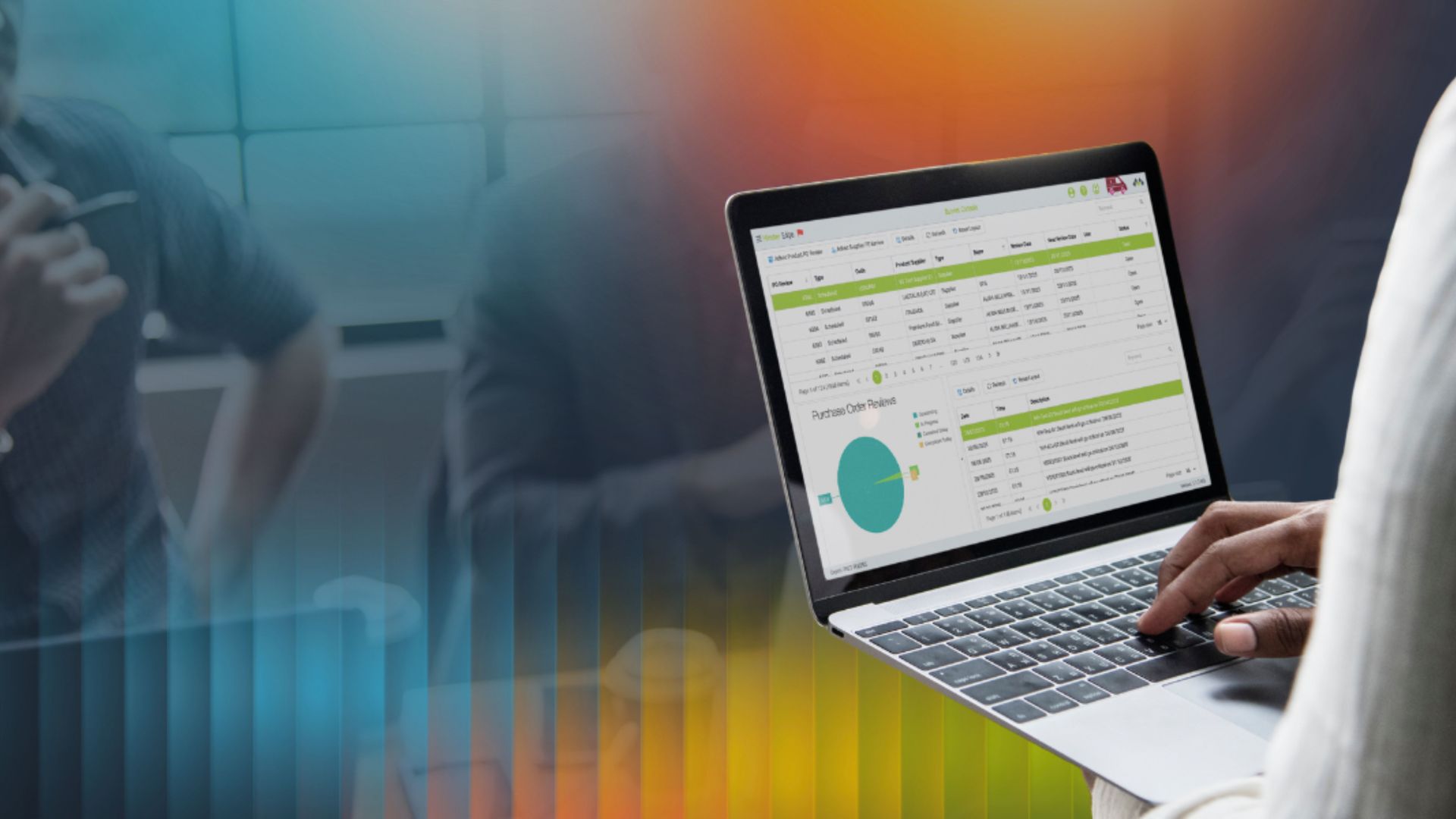
Instead, you can use our purchase order processing module. This uses real-time stock levels and sales forecasts to manage procurement. This gives you the accuracy of a WMS with the strategic planning afforded by procurement software.
Are you looking for a cloud-based digital procurement platform? Our warehouse management solutions include powerful procurement tools, including automated PO generation, stock-level warnings and reporting features. Get in touch with our experts today to book a demo.