For as long as there have been warehouses, people have been introducing technologies to make them work more efficiently and more accurately.
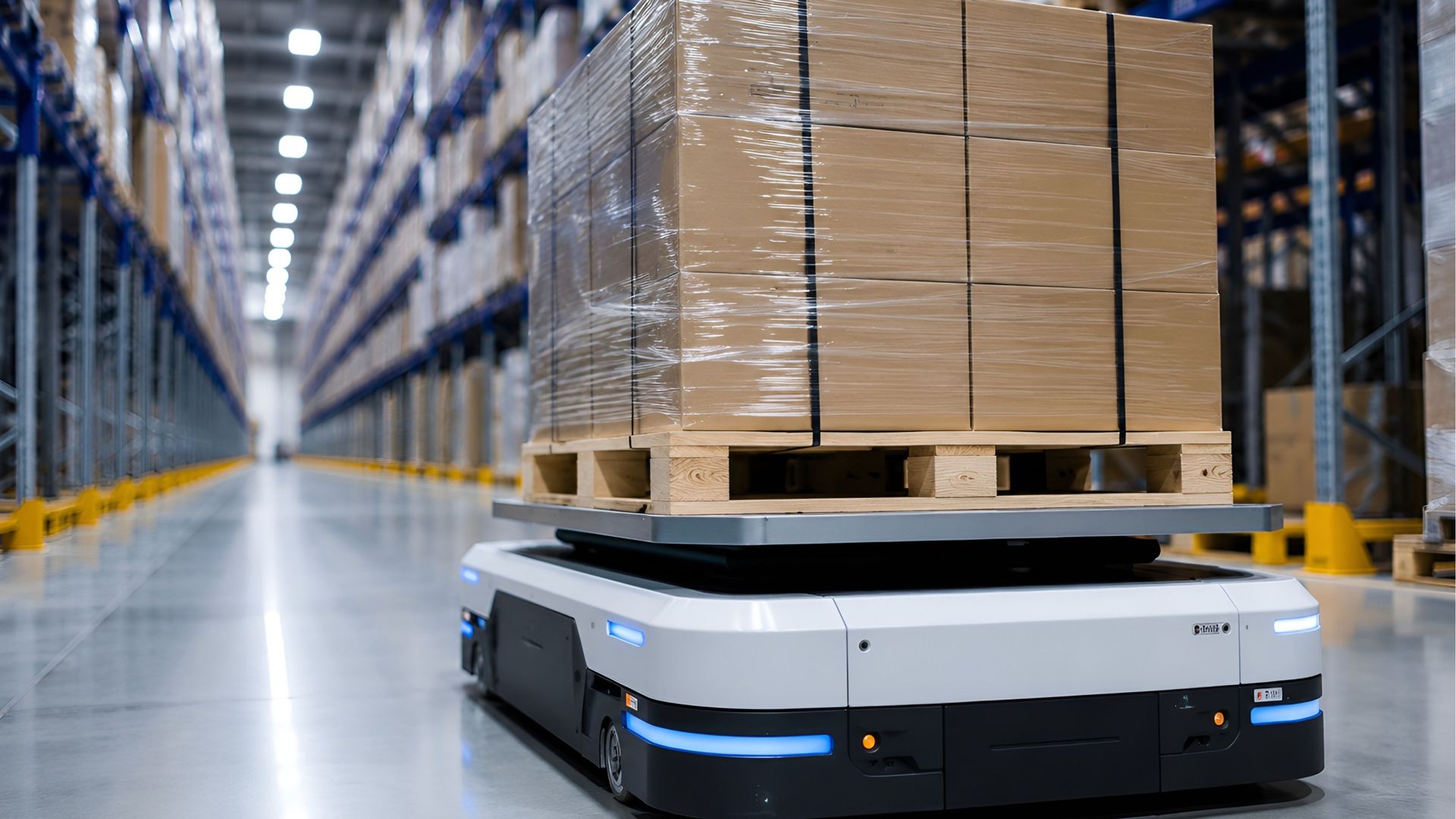
At the beginning of the 20th century, conveyor systems were introduced. Over time, these were followed by electric forklifts, adjustable pallet racking, barcodes and automated storage and retrieval systems.
Today, many of these technologies are still in use. What's changed is, of course, the advent of mass computerisation and, above all, the internet.
Many warehouses today use an order management system (OMS) or a warehouse management system (WMS). Some use a combination of both. These pieces of software exist to make aspects of warehouse management more efficient and more accurate.
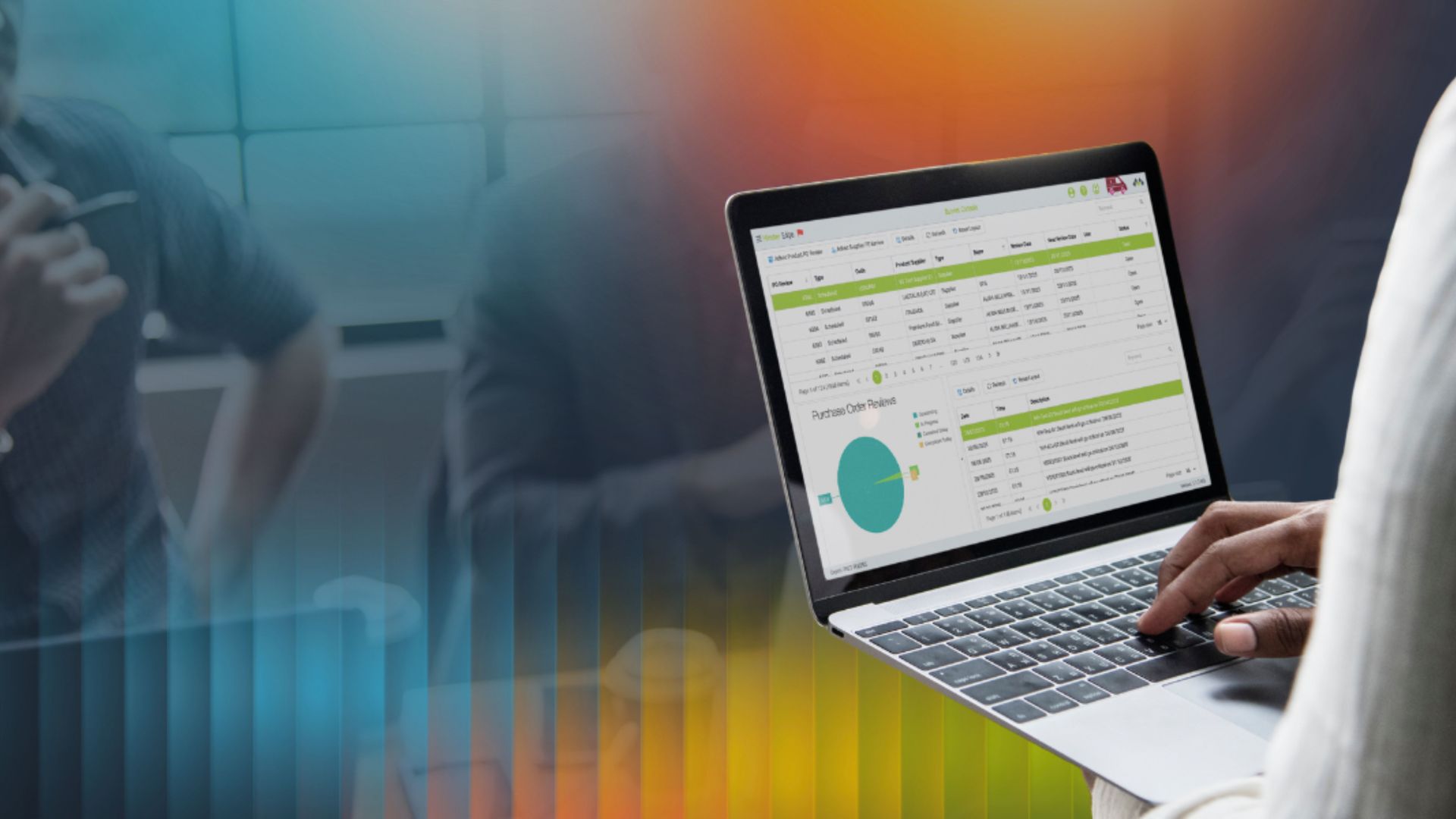
An OMS tracks and manages the whole lifecycle of a customer's order – from the moment it's placed to the moment it's fulfilled. The system centralises inventory data, multi-channel processing and shipping management at all stages of the supply chain.
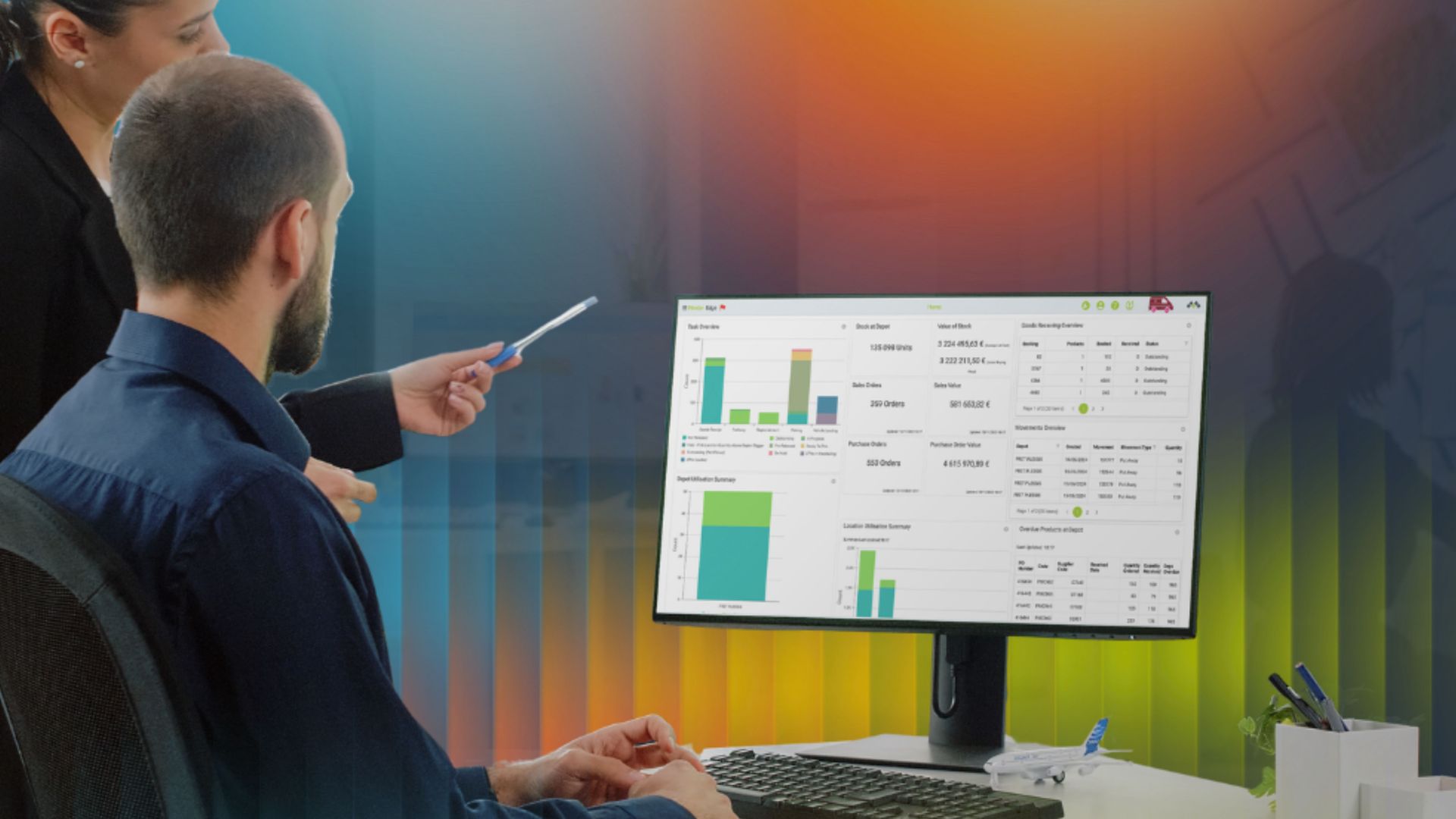
A WMS, by contrast, provides warehouse managers with real-time visibility into their inventory levels and product locations. This helps improve the accuracy of picking, packing and dispatching as well as providing
data analytics, integration with
voice picking systems and more.
So, what are the differences – and which is right for you?
What is an OMS used for?
Order management systems are used to centralise inventory visibility. This gives warehouse managers round-the-clock access to data about stock levels.
These systems are also used to track orders, providing customers with precise, updated order information. This order status is available from checkout all the way through to delivery.
An OMS also provides warehouse managers with tools for handling reverse logistics and product returns, as well as tools for omni-channel fulfilment.
If your warehouse uses a WMS, the functions of an OMS may sound familiar. The fact is that a good WMS can do the same as an OMS with additional functionalities for warehouse operations such as picking, packing and dispatching.
What is a WMS used for?
Whereas an OMS is used to track an order, a WMS is used to track day-to-day warehouse operations: from receiving to picking, from packing to shipping.
The real-time visibility provided by a WMS increases warehouse efficiency and accuracy. This isn't an abstract virtue. The accuracy of your fulfilment process directly correlates to the level of customer satisfaction.
Inventory management and tracking are typically integrated with stock visibility tools. The most commonly used of these are barcode scanners and RFID tags. These let staff scan and automatically update stock levels, minimising human error and improving visibility and accuracy.
A WMS can also be used to optimise space and storage within a warehouse. Turnover rates are analysed and optimal locations for new stock are suggested.
A similar kind of automation can help optimise picking routes within a warehouse. This can help staff fulfil more orders and select the best packaging more quickly.
There are, in other words, two layers to a WMS. The first is a highly accurate and accessible inventory. The second is real-time data analysis to help you make decisions based on cold, hard facts. Both layers can help make warehouses more productive, efficient and accurate.
What are the differences between an OMS and a WMS?
An OMS manages the life cycle of a customer order from purchase to delivery. A WMS, meanwhile, focuses on optimising day-to-day operations within a warehouse. This covers inventory storage as well as picking and packing processes.
Should my warehouse use an OMS or WMS?
Whether you use an OMS, a WMS or both depends entirely on your business's specific requirements.
Order management systems tend to be used by warehouses that need multi-channel functionality. Say, for instance, that they sell products through their own website as well as other eCommerce sites.
The OMS provides a central console from which they can manage fulfilment, customer service and inventory visibility as it passes from warehouse to customer.