
Warehouse robotics 101: solutions, integrations and management
More and more warehouses use robotics for core activities. Find out the differences they can make.

We're living at a time of rapid technological change. In warehouses, this mostly takes the form of SaaS solutions, AI-powered data analytics and increasingly advanced robotics.
But while these innovations all have the smack of the new, they're actually a continuation of trends that have been around for decades.
Take the question of warehouse robotics. These were first introduced in the form of automated guided vehicles (AGVs) in the 1950s, with automated storage and retrieval systems (AS/RS) following in the 1960s.
So, what's the difference? It's mostly a question of the materials used. Early robots followed a magnetic wire installed in the floor. By contrast, today's robots are mostly computer-controlled and typically integrated with a warehouse management system (WMS).
Beyond that, however, these 80 years of warehouse robotics have mostly been a continuum. Once warehouses reach a certain level of complexity, robots are introduced to work more efficiently and accurately.
That's how we got here. Now, let's look in detail at the kinds of robotics solutions you might find in a warehouse today.
Modern warehouse robotics solutions
1. Autonomous mobile robots
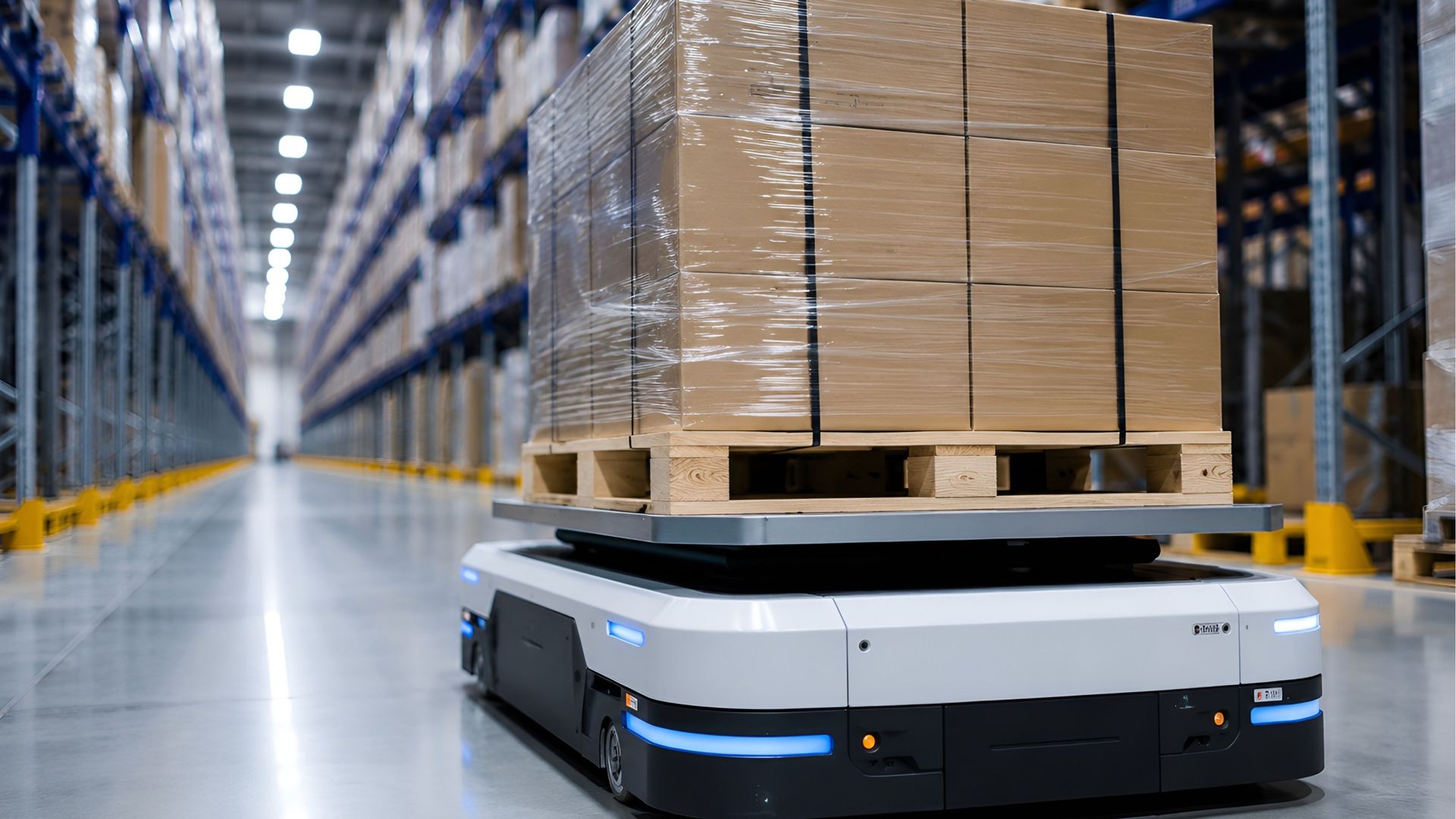
Autonomous mobile robots (AMRs) have been around for nearly a century. These self-navigating machines are used to transport materials and pick orders without direct human supervision.
Today's AMRs use sensors, AI and cameras to intelligently navigate complex warehouse spaces, avoiding obstacles and planning routes on the hoof.
2. Automated guided vehicles
AGVs are driverless, computer-controlled robots used for moving heavy loads around warehouses and other facilities.
They get around using sensors, cameras and navigation systems, following predetermined paths such as magnetic tape, wires or laser markers.
While AGVs are driverless, they must be set up, monitored and maintained by humans.
H4: 3. Automated storage and retrieval systems
Another computer-controlled solution, AS/RS automatically stores and retrieves items from storage locations. The aim is to maximise vertical storage space, reaching heights that humans would take longer to reach.
AS/RS uses a combination of cranes, shuttles, robots and software for an advanced and efficient form of inventory management. They're often "goods-to-person", bringing goods directly to operators.
4. Robotic picking arms

Think "robot", and you might think of either a small driverless vehicle or a humanoid. But you don't need an entire robotic body to make a difference in the warehouse.
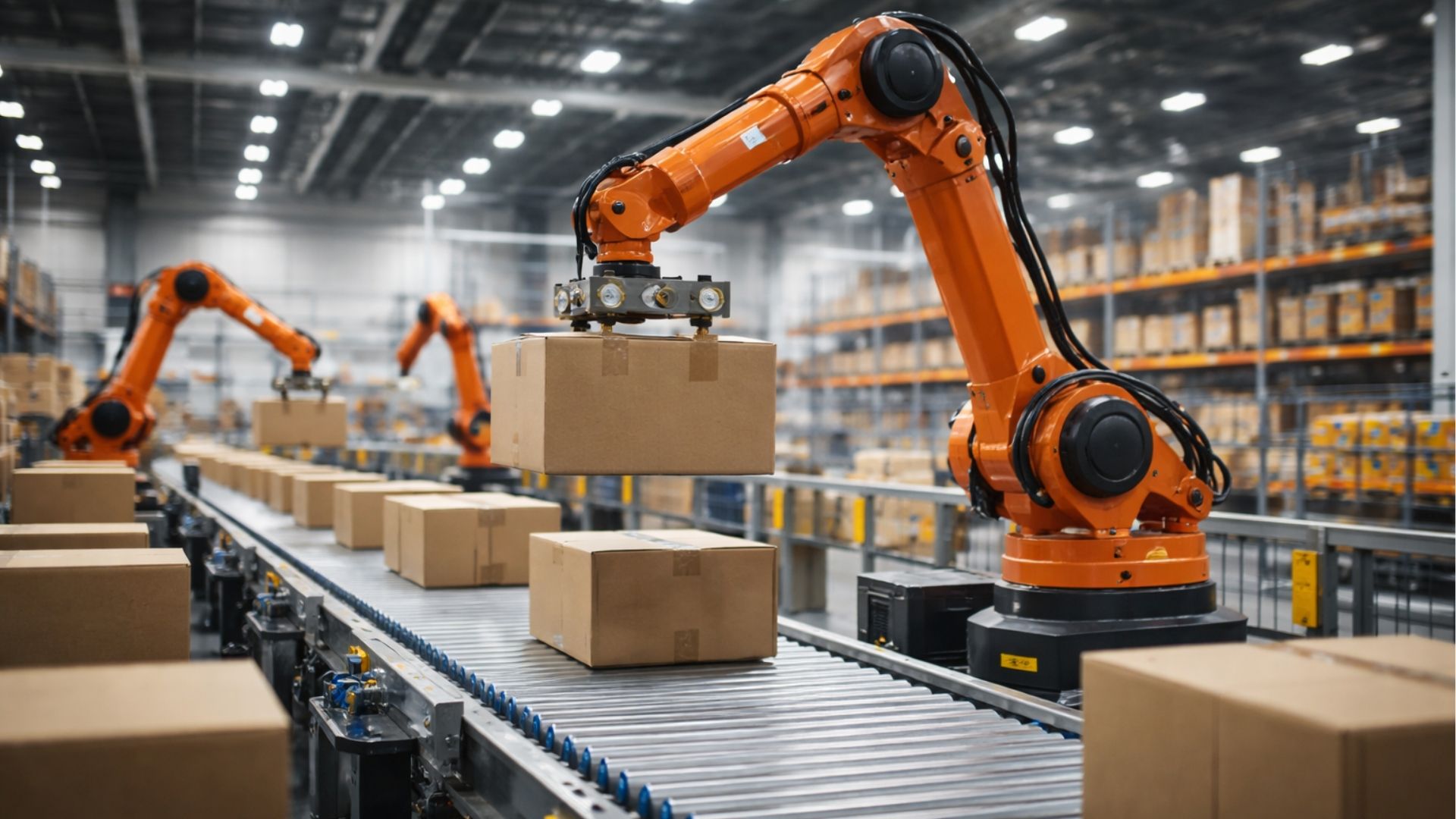
Many warehouses use automated robotic arms to pick up, move and put down items. Like robotics in general, this gives warehouse managers a quicker and more precise version of human labour.
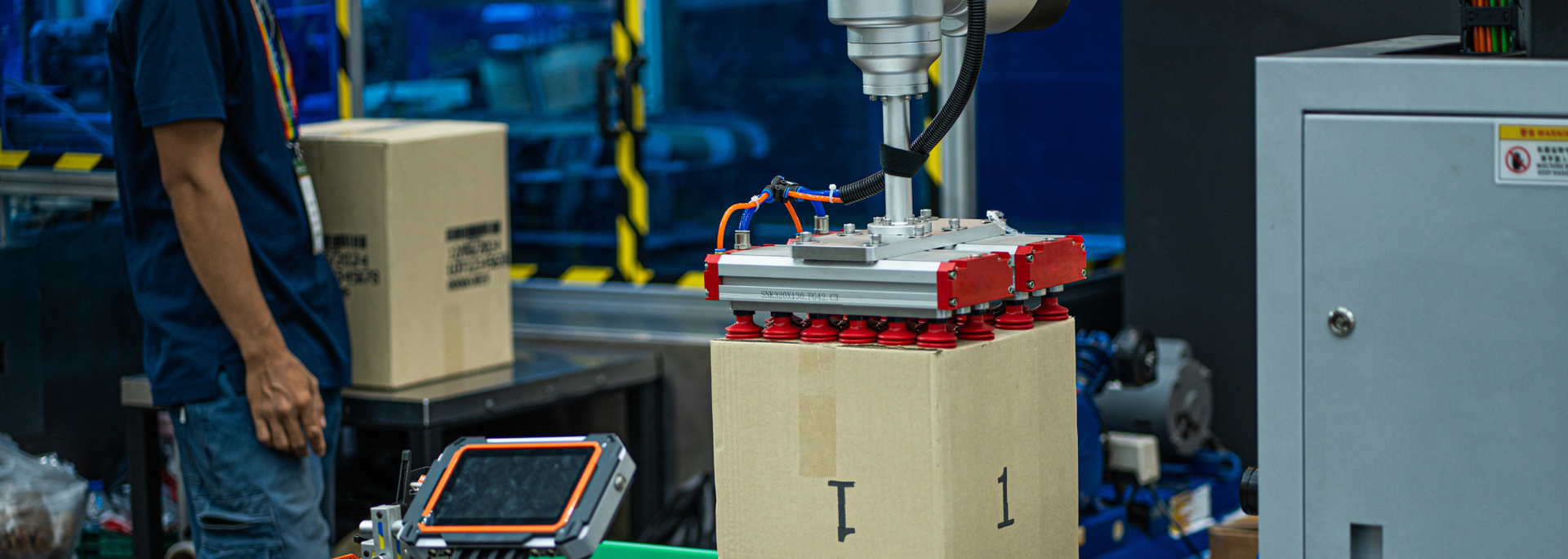
Some of these arms are fitted with grippers, vacuums or sensors and handle tasks like sorting, packing and palleting. Some are integrated with warehouse management systems and powered by AI.
A notable example of robotic picking arms is food delivery giant Ocado's OGRP (On Grid Robotic Pick).
5. Cobots
"Cobot" is a shortening of "collaborative robot". These robots are specially designed to work alongside humans in a shared workspace without being shielded by cages or other barriers.
Safety is a priority in the design of cobots. They have rounded edges to reduce injury and are fitted with sensors that make them slow down or stop on contact with humans or other obstacles.
Their ability to work alongside humans makes cobots ideal for routine tasks such as material handling and assembly work.
6. Aerial drones
Aerial drones aren't just for the sky – they're also used in warehouses for tasks as diverse as inventory management, stock checks, facility inspections and layout optimisation.
They use sensors and cameras to scan barcodes or RIFD tags. Meanwhile, their cameras are used to take photos and videos of the facility. This can be used for a cost-effective facility inspection or to identify imperfections in the warehouse layout.
How is robotics integrated into a warehouse?
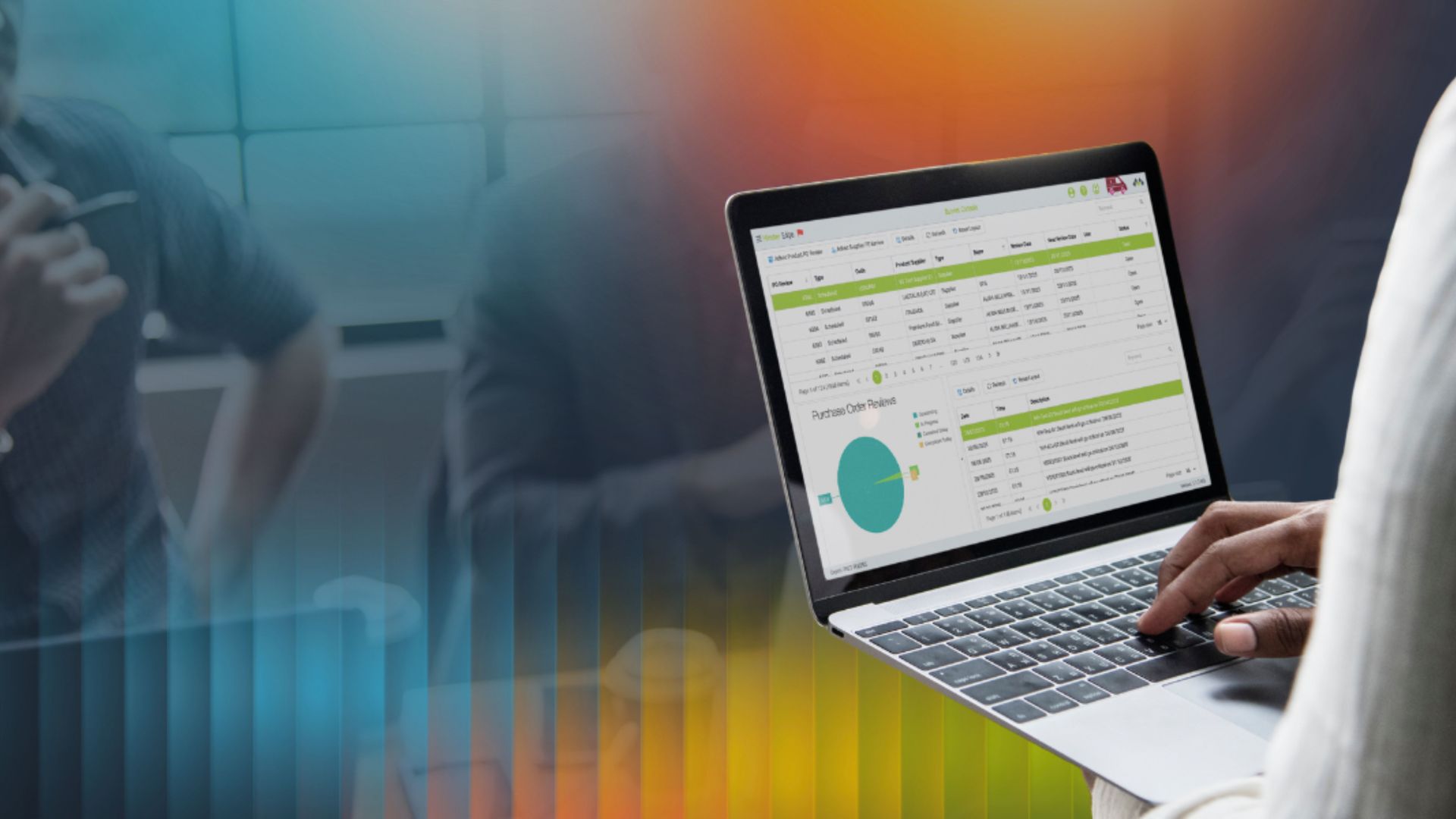
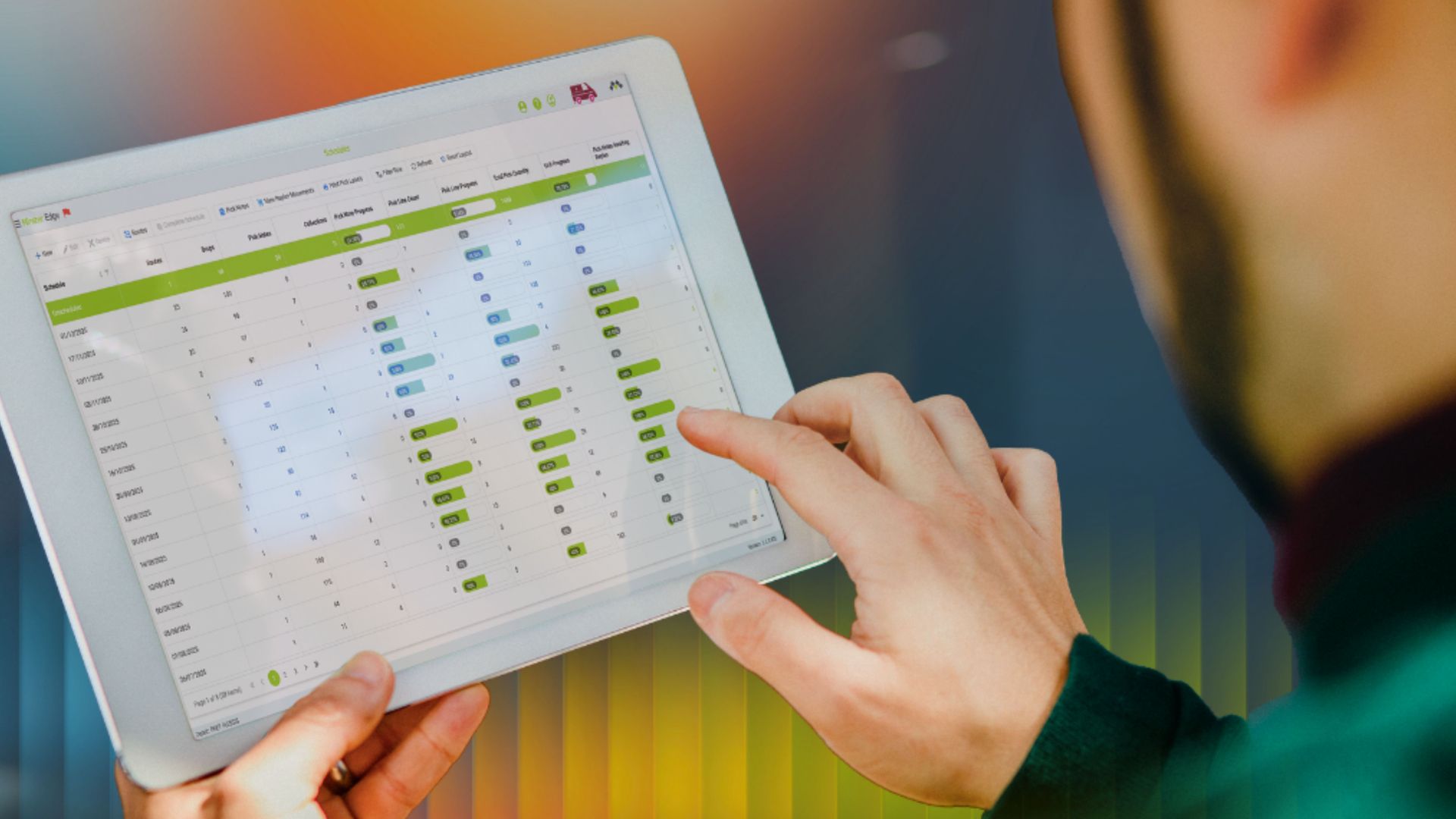
Most warehouse robots are integrated with either a WMS – the kind that we provide here at Minster WMS – or with warehouse execution software (WES). These integrations enable them to manage tasks, fulfilment and inventory management.
The software assigns, sequences and manages the robots' workflows. Meanwhile, the robots feed data back to the software. This might include SKU information, stock levels and locations, inventory discrepancies or expiry dates.

These are specialised warehouse solutions – so, it's no surprise that warehouse managers typically need to work with system integrators to hook up their systems with their robotics.
What aspects of warehouse management can robotics improve?
It's no exaggeration to say that robotics can improve all aspects of warehouse management. Here are just a few examples.
1. Order picking and packing
Robotic arms and AMRs can retrieve items, move to packing stations and pack orders quickly and precisely.
2. Inventory management and tracking
Drones and AMRs can move through the warehouse to scan barcodes or RFID tags and conduct real-time inventory checks.
3. Transportation
AGVs and AMRs can handle the movement of inventory, goods and pallets between receiving, storage and shipping areas. This keeps travel time to a minimum and reduces reliance on manually operated forklifts.
4. Space optimisation
AS/RS can be used to maximise vertical storage and improve operator safety.
5. Dangerous and physically taxing tasks
Warehouse robotics can improve worker safety by taking on dangerous or strenuous tasks. These might include lifting heavy loads or operating in cold and hazardous environments.
6. Sorting and quality control
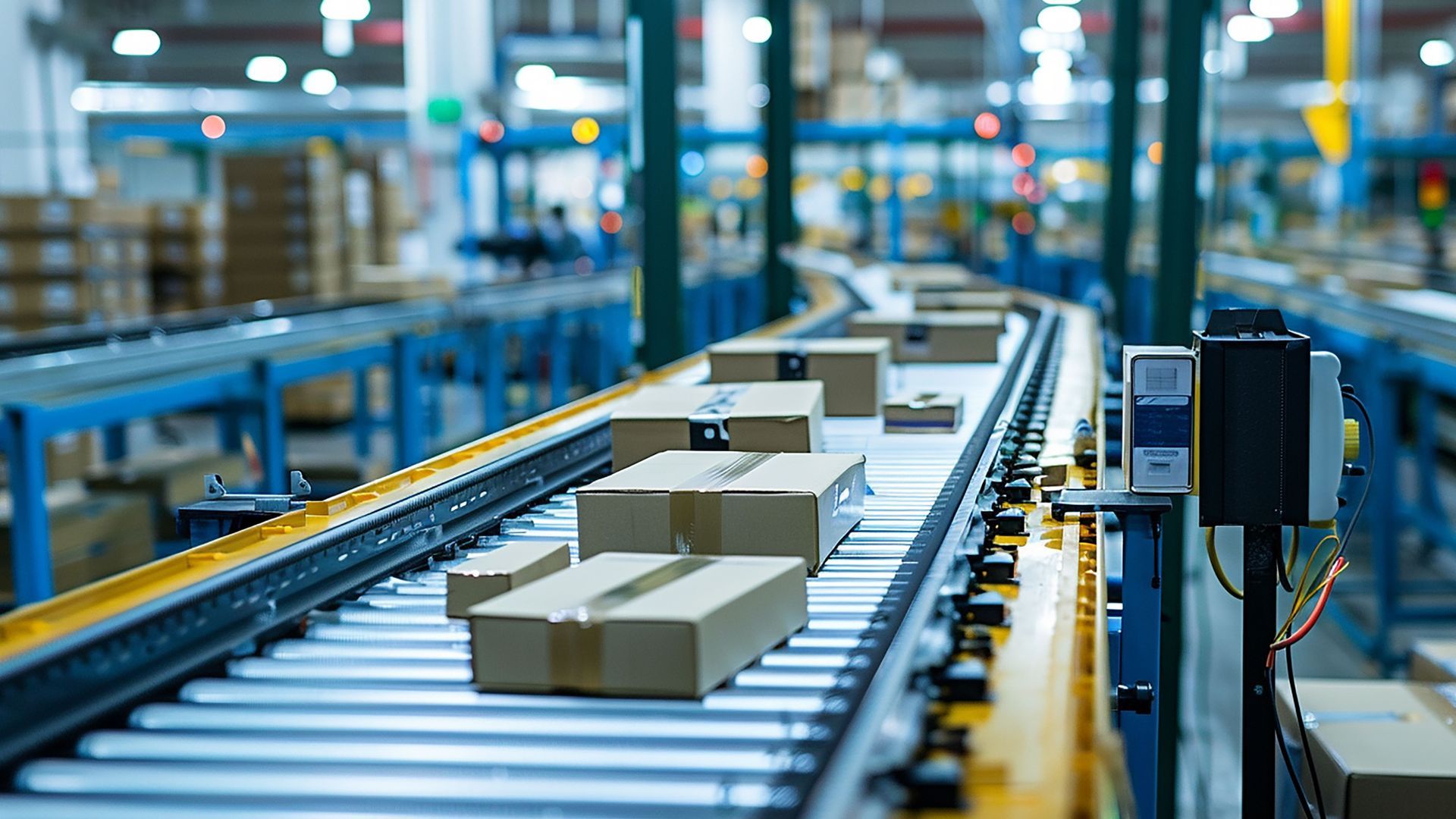
Finally, warehouse robotics can be used to classify packages and move them to the correct shipping lanes. As with all these examples, they work faster and more accurately than humans.
What are the challenges of warehouse robotics?
There are three main challenges to implementing warehouse robotics:
The equipment, systems and integrations come with high upfront costs.
Warehouse robots require specialised maintenance and eventual upgrades, which come with their own ongoing costs.
If you're using a legacy WMS, integration can be difficult.
Despite these challenges, the savings made through increased productivity and accuracy can make for a healthy ROI.
Are you interested in harnessing robotics in your own warehouse? With EDGE, our enterprise WMS, you get expert support from our UK team to craft bespoke integrations. That means any system can be tied into our SaaS solution – and you'll enjoy end-to-end visibility of all manual and automated operations. Book a demo today to see how it works and discuss your needs with our team.