Vendor-managed inventory (VMI): is it the right strategy for me?

Simon Edward • 27 February 2026

Share this article

Is inventory management a burden to your business? You might want to consider VMI. Learn how it works and how it might benefit you.


Is inventory management a burden to your business? You might want to consider VMI. Learn how it works and how it might benefit you.

How should you manage your inventory? It's a fundamental question faced by businesses in all sectors – and one that has different answers depending on your size and the nature of your inventory.


One strategy for inventory management is vendor-managed inventory (VMI). Mostly used by large retailers, manufacturers and businesses, it's a supply chain model where the supplier takes responsibility for managing and replenishing a customer's inventory.


It's a simple switch-around with profound consequences. With VMI, the supplier has access to the customer's sales data. They decide when to replenish stock and by how much.


The idea is for the customer to reduce stockouts and for the supplier to have more predictable demand. Win-win! But does it work for everyone? To answer that, we first need to take a closer look at how it works. 


How does VMI work?

VMI is built on shared access to sales and inventory data. Both the supplier and the customer see the same data. The supplier monitors stock levels, forecasts demands and decides when to replenish stock and by how much.


This process is largely automated. Replenishment happens when stock hits a certain level and replacement stock is automatically shipped.


So, what's to stop the supplier from taking the customer for a ride? The answer is that these levels are agreed upon by both parties.

Both supplier and customer agree on key performance indicators (KPIs) to determine when stock should be replenished. This typically centres on in-stock rates and inventory turnover.


What are the benefits of VMI for customers?

VMI has a number of benefits for customers. Above all, it helps them avoid stockouts, with replenishments taking place automatically and fulfilled by the supplier.


It's also a case of outsourcing a tricky task. Like all kinds of outsourcing, this frees up time and mental bandwidth to focus on other aspects of warehousing – staff management, for example, or the allocation of space.


What are the benefits of VMI for suppliers?

VMI benefits suppliers primarily by making demand more predictable. This means they can make better decisions about their own manufacturing and supplying processes – decisions built around agreed-on KPIs.


It also means suppliers can build stronger relationships with customers. After all, if a supplier successfully takes charge of a customer's stock levels, the customer is unlikely to look elsewhere. They'll just be happy that this core activity is being successfully taken care of by someone they can trust.


Finally, the data-driven nature of VMI means suppliers can streamline their workflows, making it easier than ever to allocate resources.


What are the alternatives to VMI?

The opposite of VMI is customer-managed inventory (CMI). This is where the customer monitors their inventory and tells the supplier what they want when it's time for replenishment.


But inventory management isn't limited to VMI or CMI. There's also consignment inventory. This is similar to VMI but doesn't involve sharing real-time data. Instead, replenishment is determined by typical usage and scheduling.


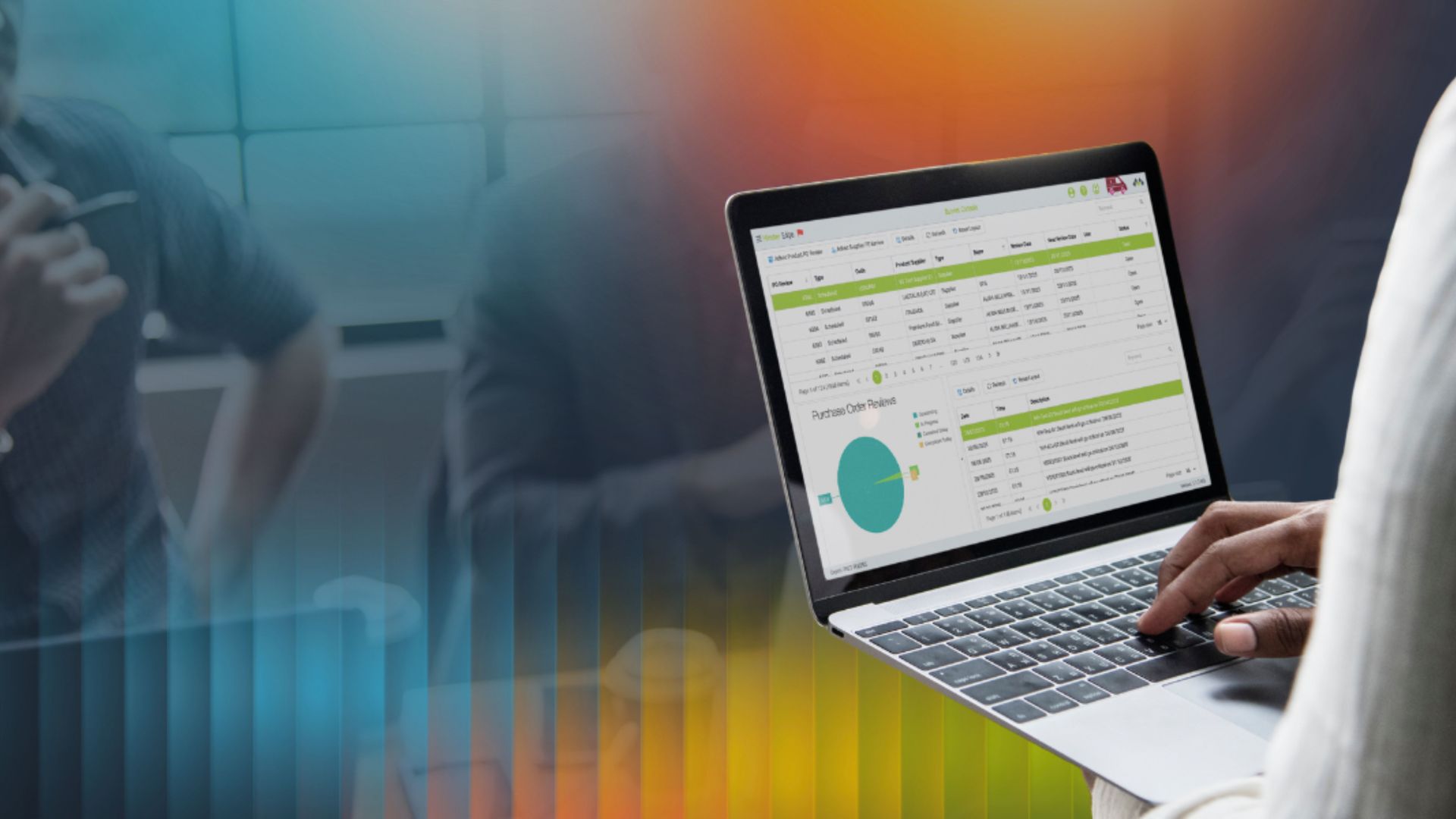
Picture of a person using Minster software in an office.

There's also just-in-time (JIT). This involves managing orders so that inventory arrives just as it's needed. The customer is typically in charge of the forecasting and ordering (though these can be automated with a WMS). The main advantage of JIT is that it minimises holding costs.


Finally, there's third-party logistics (3PL). This is where a third party stores, manages and ships inventory for you. This offloads both replenishment and fulfilment onto a third party, unlike VMI, where the customer is in charge of storing the inventory that the supplier is replenishing.


Who should use VMI?

VMI is mostly used by large retailers, manufacturers and businesses and is often associated with sectors like groceries, electronics and healthcare.


It's not, however, the preserve of the Amazons and Walmarts of this world. In fact, it's used by many smaller businesses.


That said, VMI isn't for everyone. It makes the most sense as a strategy when a customer deals with high-volume, fast-moving or complex SKUs. In this kind of operation, stockouts and counting costs need to be kept to a minimum – and VMI can offload some of that burden.


VMI is less appropriate for direct-to-consumer brands that need to change tack in line with demand. If demand is hard to predict, VMI probably isn't for you.


When deciding whether to adopt VMI or a similar inventory management strategy, you need to ask yourself whether inventory management is a financial and operational burden to you.


If yes, it could be time to share that real-time data with your suppliers. But if not, you can still run a tight ship without handing over the reins.


Can a warehouse management system help with VMI?

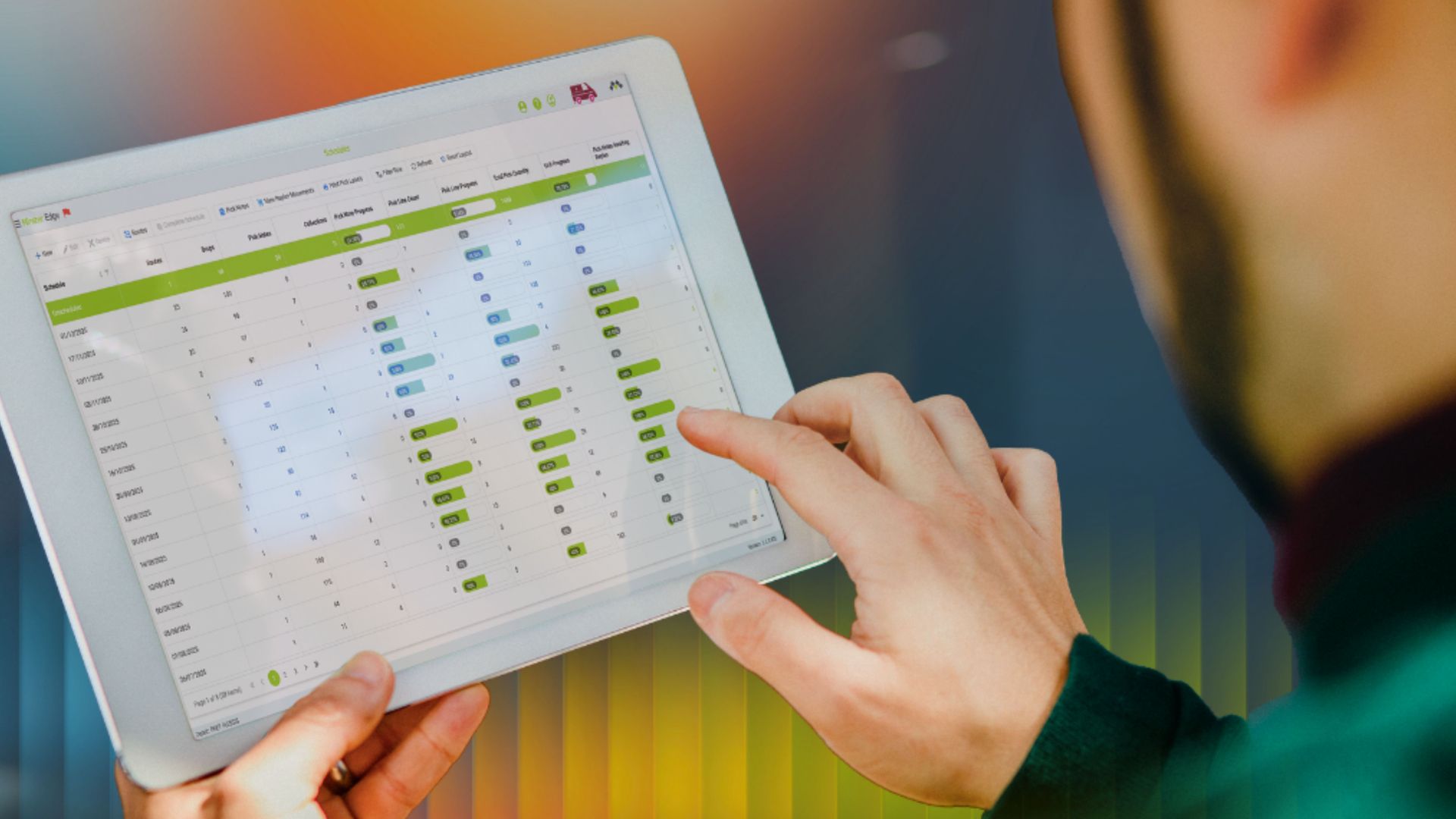
If you do decide to adopt VMI as your inventory management strategy, you'll need software that allows real-time data sharing. For many suppliers and buyers, a warehouse management system (WMS) plays a critical role in this process.


A cloud-based WMS gives both parties real-time access to data – what's known in the business as "end-to-end visibility". What's more, a WMS can use AI tools to analyse that data and provide KPIs.


VMI only works if both sides trust the process – and trust is more easily built when the data is unimpeachable. For this reason, a WMS is essential. It gives you data uninfluenced by bias or vested interests.


At the end of the day, VMI only works if data is visible, accurate and accessible. If it's not, trust can collapse, stock levels can be adversely affected and holding costs can go up. So, if you're looking for data that's ready to be shared, a cloud-based WMS could be just what you need.


Are you looking for highly capable cloud-based warehouse management software? At Minster, we build solutions that empower strategic decision-making with high-detail visibility of all your warehouse operations. Book a demo with our UK team today to discover how our innovations can fuel your growth.

Recent Posts

Want to make managing inventory more efficient? Explore specific, measurable and achievable KPIs
by Simon Edward 16 March 2026
Want to make managing inventory more efficient? Explore specific, measurable and achievable KPIs to get you there.
Want to avoid inventory loss? Find out how rework and refurbishment can help
by Simon Edward 13 March 2026
Want to avoid inventory loss? Find out how rework and refurbishment can help – and how a WMS plays its part.
Want to take your eCommerce brand to the next level? Found out how changes to your warehouse
by Simon Edward 9 March 2026
Want to take your eCommerce brand to the next level? Found out how changes to your warehouse can help fuel growth.
We're joining other innovators in warehousing and logistics at IntraLogisteX 2026 in Birmingham.
by Simon Edward 6 March 2026
We're joining other innovators in warehousing and logistics at IntraLogisteX 2026 in Birmingham. Find out where we'll be and what to expect.
To stock a warehouse effectively, you need a sense of future demand. Find out how
by Simon Edward 23 February 2026
To stock a warehouse effectively, you need a sense of future demand. Find out how expert opinion and warehouse management systems can help.
The last-mile problem is a head-scratcher for businesses that deal with deliveries.
by Simon Edward 20 February 2026
The last-mile problem is a head-scratcher for businesses that deal with deliveries. Discover what it is and 6 tools that can help you solve it.
Are you a warehouse-based business looking to take your picking and packing to the next level?
by Simon Edward 16 February 2026
Are you a warehouse-based business looking to take your picking and packing to the next level? Explore 5 strategies in our guide.
The world of logistics is fraught with risks. Discover 5 common pitfalls –
by Joel Porter 13 February 2026
The world of logistics is fraught with risks. Discover 5 common pitfalls – and how to mitigate against them.
Find out how good data can help fuel better decision-making in warehouse management –
by Simon Edward 9 February 2026
Find out how good data can help fuel better decision-making in warehouse management – and how a cloud-based WMS can help.
How can technology unlock efficiencies in your warehouse? Explore 6 transformative tools
by Simon Edward 6 February 2026
How can technology unlock efficiencies in your warehouse? Explore 6 transformative tools in our guide.
Show More