


Proven reverse logistics strategies to boost customer retention
Do your reverse logistics procedures need a glow-up? Explore 5 concrete ways to keep customers on-side.

All business owners know that reverse logistics is an important part of the customer experience. But it's not uncommon for this final leg of the customer journey to fall by the wayside.
It's not hard to see why. On the surface, at least, a return means lost value. This could mean the product is lost because of a fault, the revenue is lost because of a refund, or both.
Nevertheless, a good reverse logistics strategy is an important way to keep customers satisfied. After all, who are you without your customers? Customers are critical, and you want to keep them coming back – and reverse logistics plays an important role.
Customer retention isn't the only reason why reverse logistics are important, of course. They help maximise value from returned goods, drive sustainability, cut costs and close the loop in the emerging circular economy.
But when it comes down to brass tacks (and bottom lines), none of these are quite as important as customers coming back to you for more.
Of course, customer retention cannot live on reverse logistics alone. You'll also need some combination of personalised customer support, loyalty programmes, reward schemes, customer communities and a proactive attitude towards feedback.
But if there's one thing that keeps customers coming back, it's convenience. Put obstacles in their way, whether at the ordering stage or the return stage, and they're more than likely to shop elsewhere.
This means returns and reverse logistics should be as easy as apple pie. But how do you do it well? Here are five approaches to make your reverse logistics work for you.
1. Simplify
When running a business, it can be tempting to think you need to gild the lily and complicate matters. But in reverse logistics, simplicity is king.
Of course, things can get complicated behind the scenes. But your priority should be implementing procedures that make returns a doddle for your customers.

In practice, this means a few different things. It means an easy-to-read, transparent policy that communicates expectations, conditions and timeframes.
It also means a simple process. Let customers resolve issues quickly through a dedicated self-service portal, where they can generate labels without picking up the phone or arguing with a chatbot. Give them options – whether that's prepaid labels, drop-off locations or in-store returns.
In a saturated marketplace, you want to give your customers as few reasons as humanly possible to shop from a competitor. Simplify the returns process and you should see the negative reviews dwindle.
2. Communicate
The importance of clear communication with customers can hardly be overstated. But are you keeping customers in the loop about the returns procedure?
Anyone reading this will have had the miserable experience of waiting for an order to arrive or figuring out a return procedure with inadequate or non-existent communication from the company. It's a process that could test the patience of a monk.
The way out of this scenario is simple. Be proactive in your communications. Automate updates to be sent at each stage of the return: from return initiated to item received, from processing to refund.
On top of this, you should give your customers the ability to track the returns process in real-time. It helps the customer feel the process is going to be easy. And it makes them more likely to stick around for a second, third or 22nd purchase.
3. Automate
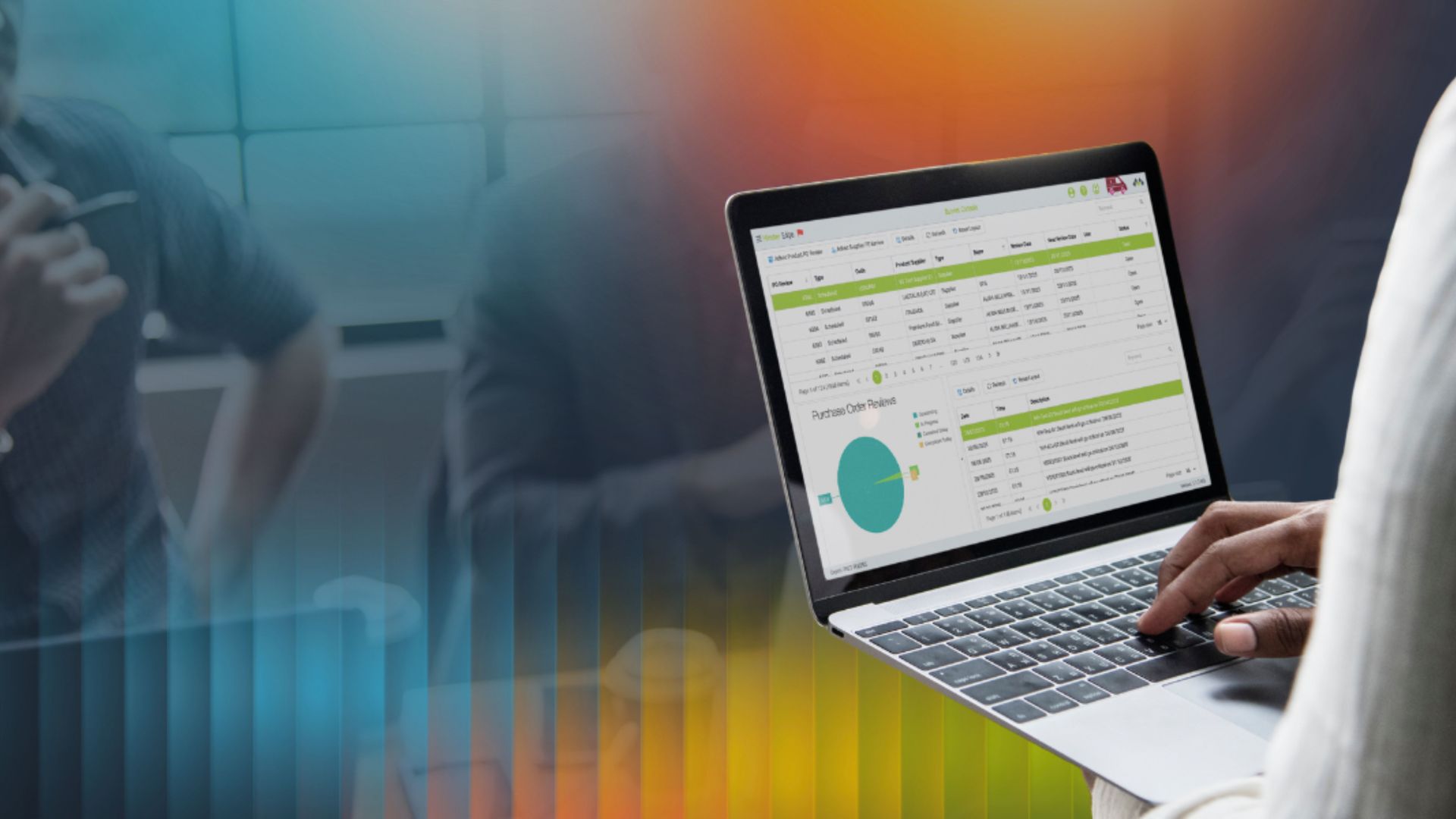
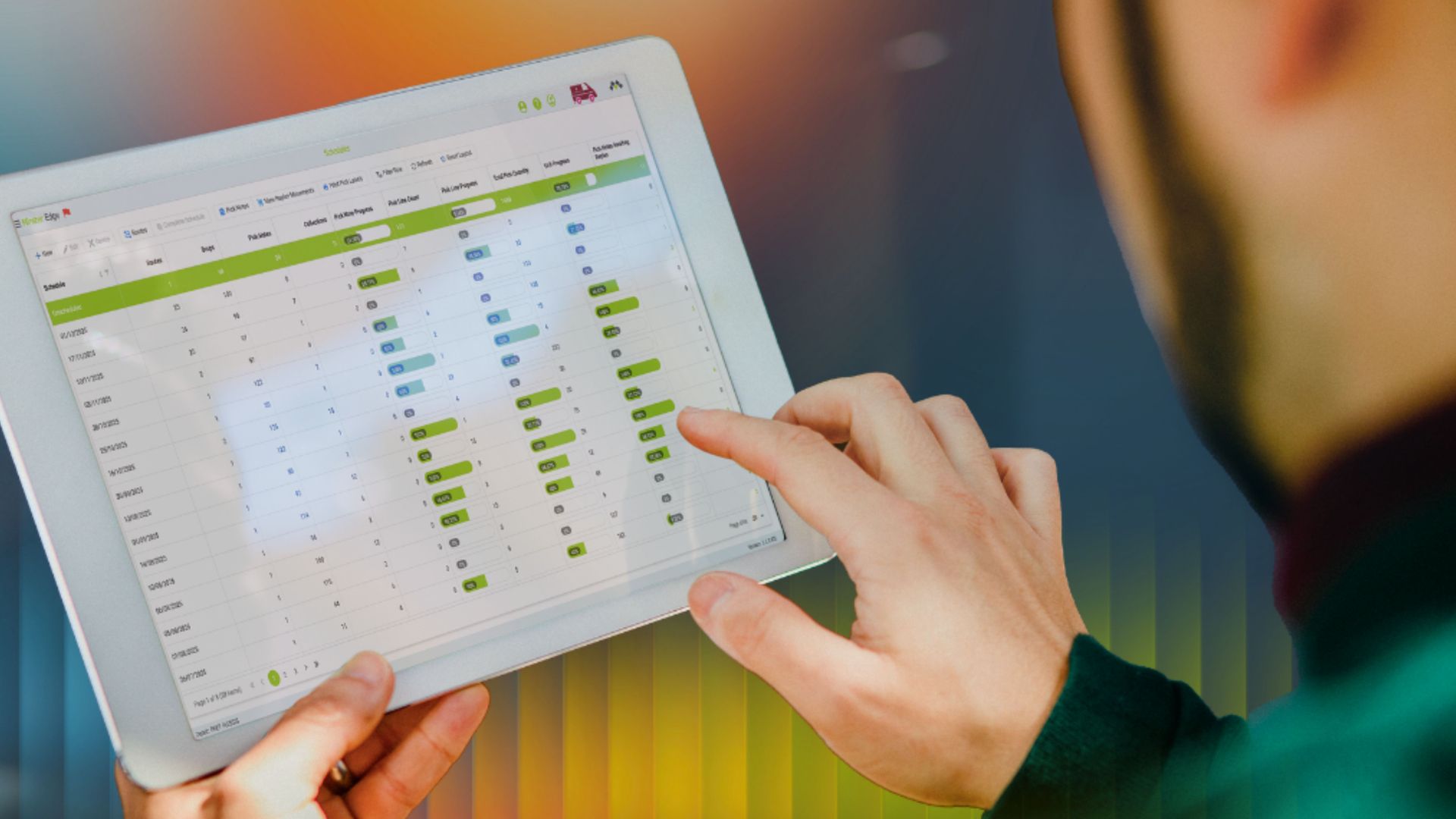
You want to make the reverse logistics cycle faster and more accurate. Have you considered using a cloud-based WMS to automate workflows?
Everything from return authorisations to quality checks to inventory updates can be automated. As well as making the process faster, this removes the possibility of manual entry errors.
But the value of automation doesn't end there. When you automate a task, you get sent performance data. In the case of returns, this could be the cause of the return.

Why are people returning your goods? Is it because of product defects? Misleading or mistaken descriptions? Sizing issues? Whatever it is, you need to be in the know – and in a position to act on it.
Similarly, you should seriously consider integrating your returns system with your main
inventory management platform. That way, you get real-time stock level alerts, drastically reducing the possibility of over-stocking or stock-outs.
4. Recapture
Unless you're an industry heavyweight, it's hard not to think of a return as a loss – a wasted opportunity that's cost you revenue, a product or both.
But with the right mindset and procedures in place, a return can actually be an opportunity to recapture value – and boost customer retention in the process.
You could offer store credit or exchanges instead of a full refund, keeping revenue in-house and encouraging further browsing.
You could implement grading systems to decide whether a returned item can be repaired, refurbished or resold. This is a form of damage control, minimising the negative impact of your losses on your bottom line.
Finally, you can use return data to offer personalised product recommendations. This is a great way of recapturing otherwise lost value – and of boosting the chances of a customer coming back for more.
5. Sustain
In the 2020s, sustainability has never been a more pressing concern for businesses of all shapes and sizes. But did you know that your reverse logistics policy can improve your sustainability credentials as well as your revenue?
It takes a little work at first. But by implementing recycling programmes, refurbishment initiatives or take-back schemes, you get to boost your brand reputation – and by extension your customer retention.
At Minster WMS, we offer robust product returns management software integrated into a fully cloud-based, quick-to-deploy WMS. Want full visibility of your warehouse operations – from procurement to shipping to returns? Book a demo with our UK team today.