

Technology in inventory management: 6 transformative tools

Simon Edward • 6 February 2026

Share this article

How can technology unlock efficiencies in your warehouse? Explore 6 transformative tools in our guide.


How can technology unlock efficiencies in your warehouse? Explore 6 transformative tools in our guide.

How times change. For tens of thousands of years, humans have been keeping inventories, whether of communal supplies or business stock. But the technology used to keep track of goods has changed beyond all recognition.


From clay tablets and notches on bits of wood to ledger books and pens. From ledger books and pens to punch cards. From punch cards to bar codes and the age of computerisation.


And here we all are – warehouse managers and business owners dealing with cloud-based inventories that can be accessed in real time.


Yet despite all these technological changes, the basics of inventory management have remained broadly the same. You want insight into your stock levels, replenishment rates and returns. Why? Because accurate data means accurate deliveries – and accurate deliveries mean happy customers.


Yes, the technology is there simply to make basic processes more efficient, from the delivery of goods to your warehouse to the fulfilment process in all its stages.


So, what are these technological fixes? Well, for one, no forward-looking warehouse can afford to do without a cloud-based warehouse management system (WMS).


But as well as these warehouse workhorses, there are artificial intelligence (AI), the Internet of Things (IoT), robotics, barcode scanning, RFID scanning and even digital twins.


What do these tools do – and why do we call them "transformative"? Let's dive in.


Six transformative inventory management tools|

1. Artificial intelligence

Once the stuff of speculative fiction, AI is now part of the fabric of our lives – from chatbots to ChatGPT. 


And increasingly, it's used in warehouses to make forecasts about inventory, streamline picking, optimise routes and extract data from invoices, packing slips and the like.


Why? Because while humans have many skills, they lack the sheer computational power of AI. Anyone who follows tech will know that AI sometimes hallucinates information. But when it comes to crunching data, it has the edge over humans.


We live in an uncertain world where predictions are difficult to make. AI takes away some of the doubt, enabling staff at all levels to make better decisions.


Picture of ChatGPT on a phone.

2. The Internet of Things

The Internet of Things is more and more visible in our daily lives – we see examples everywhere, from Fitbits to thermostats. But did you know it's also transforming the way that warehouses do business?


As with AI, this is partly a case of improving visibility into inventory. Sensors and RFID tags (those small wireless devices that store and transmit data via radio waves) allow managers to continuously monitor the status, level and location of stock.


But the Internet of Things shapes more than just inventory management. It can also be used to track the movement of forklifts, pallets and other equipment. It can monitor temperature and humidity – a huge benefit in warehouses that deal with perishable or hazardous goods.


It can even tell you when a piece of machinery will need servicing. This means you can schedule maintenance in a time-efficient manner.

3. Warehouse management systems (WMSs)

There are many ways in which a warehouse management system (WMS) can transform warehouse operations. Some of these overlap with the benefits of AI and the Internet of Things.

But there's one way in which a state-of-the-art cloud-based WMS can make a difference that no other technology can. And that's its ability to centralise data.


We live in an age when every business, no matter how big or small, is swimming (or drowning) in data. But for many businesses, this data is spread across departments, spreadsheets, file sharing services and devices.


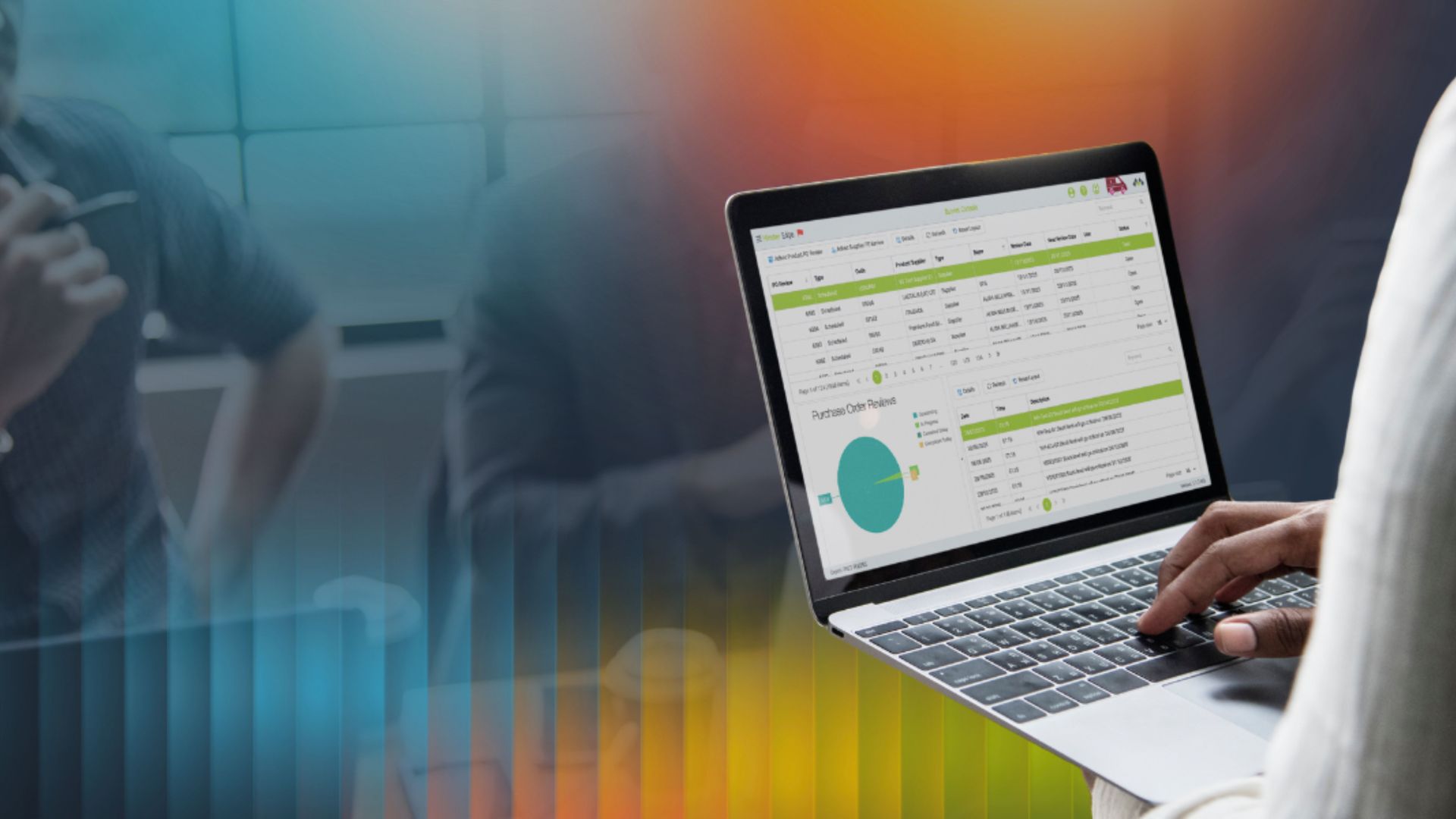
A good WMS acts as a central hub where all your information is accurate – and visible. And because it's cloud-based, you can get the data you need whether you're in the office or on a Caribbean cruise. All you need is a working internet connection and permission to log in.


4. Robotics and automated picking

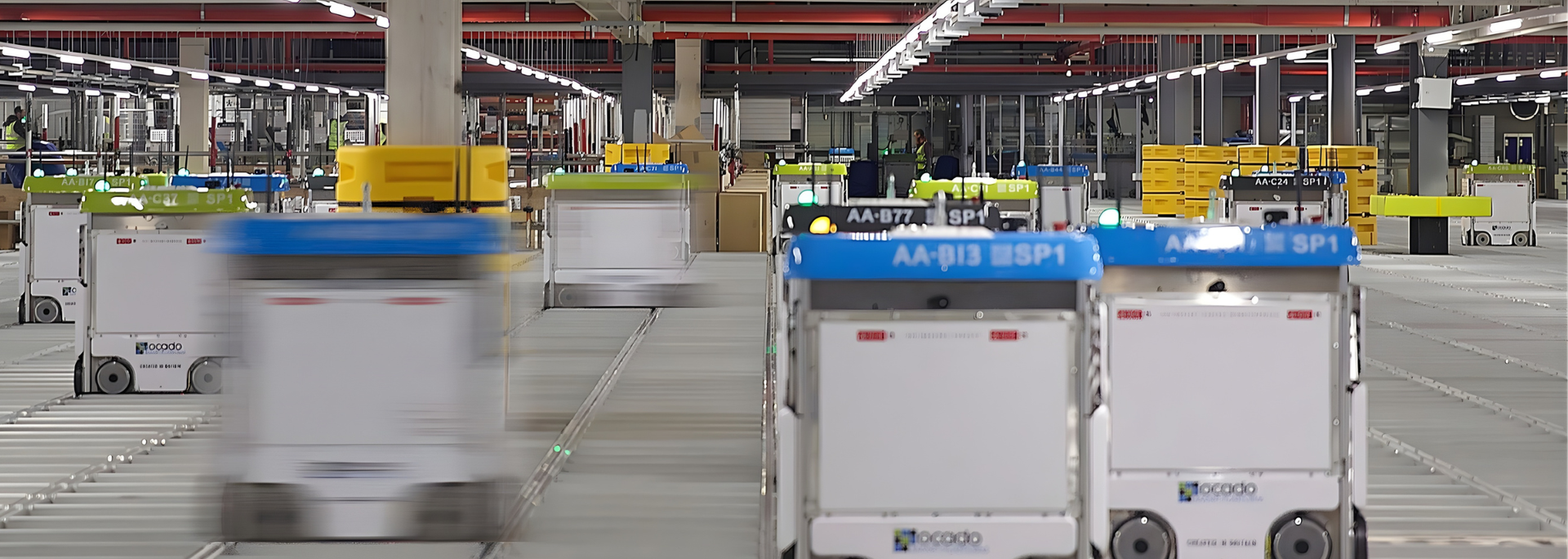
Automated storage and retrieval systems (AS/RS) have been around since the 1950s. They automate routine tasks like picking, packing, sorting and transporting.


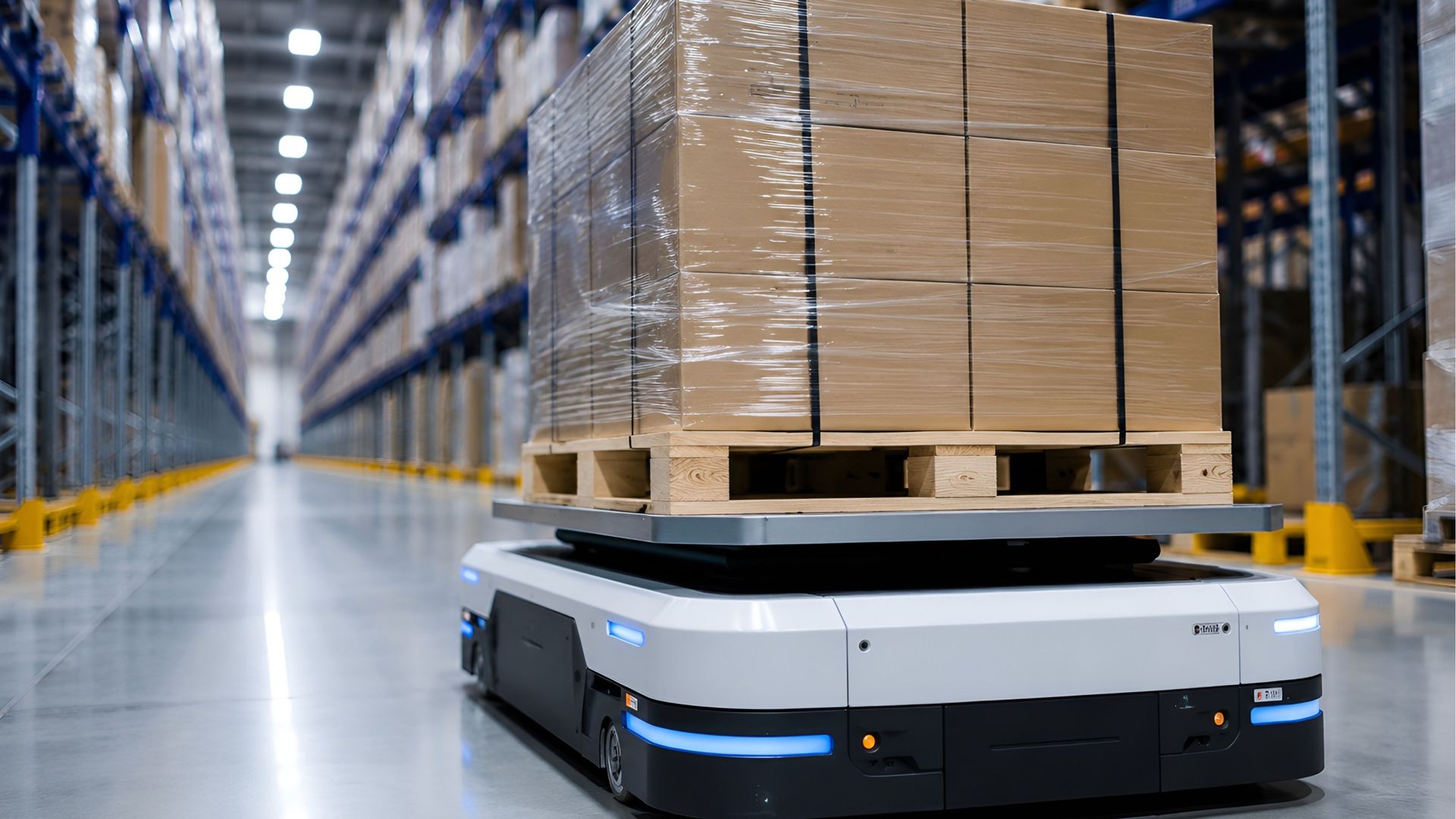
Picture of a automated warehouse.

Today's robots, however, are something else. Warehouse robots used to be limited to moving along fixed tracks. Today, they use sensors, cameras and AI to map and navigate their surroundings.


They're also usually integrated with other transformative technologies, such as AI, the Internet of Things and warehouse management systems.


For accuracy and efficiency, these modern robo-pickers are hard to beat.


5. Barcode and RFID scanning

If you've read around the subject of warehouse management systems, you'll doubtless have heard that they act as a "single source of truth". But how does the data get there in the first place?


Enter barcodes and RFID tags. These work differently, primarily because barcodes require line-of-sight scanning and RFID tags don't.


Both, however, provide instant data capture. This reduces human error when tracking stock movement and updates your inventory in real time. 


6. Digital twins

You want to make changes to your warehouse layout – but you know that doing so will cause disruptions.

In the old days, you might draw a blueprint, whether on paper or a computer programme. Here in the future, you have another option: using a digital twin.


This is a virtual, real-time replica of your warehouse. It lets you simulate changes to the warehouse without committing to them. This means you can fine-tune operations without downtime.


Warehouse-based businesses use digital twins for various purposes. These include automating inventory tracking and optimising picking paths.

And like the other transformative tools we've looked at, digital twins overlap with AI, the Internet of Things and a WMS. They all work together to create a sandbox where experimentation is free from risk.

Are you looking for a warehouse management system to take inventory management to the next level? Our CORE and EDGE systems are fully cloud-based and powerfully scalable – and they come with a highly capable inventory management platform built in. Book a demo with our UK experts to see how our tech can transform your ROI.

Recent Posts

The last-mile problem is a head-scratcher for businesses that deal with deliveries.
by Simon Edward 20 February 2026
The last-mile problem is a head-scratcher for businesses that deal with deliveries. Discover what it is and 6 tools that can help you solve it.
Are you a warehouse-based business looking to take your picking and packing to the next level?
by Simon Edward 16 February 2026
Are you a warehouse-based business looking to take your picking and packing to the next level? Explore 5 strategies in our guide.
The world of logistics is fraught with risks. Discover 5 common pitfalls –
by Joel Porter 13 February 2026
The world of logistics is fraught with risks. Discover 5 common pitfalls – and how to mitigate against them.
Find out how good data can help fuel better decision-making in warehouse management –
by Simon Edward 9 February 2026
Find out how good data can help fuel better decision-making in warehouse management – and how a cloud-based WMS can help.
Circular logistics seeks to make supply chains more environmentally friendly. Find out how
by Simon Edward 26 January 2026
Circular logistics seeks to make supply chains more environmentally friendly. Find out how in our guide.
Do your reverse logistics procedures need a glow-up? Explore 5 concrete ways to keep customers
by Simon Edward 23 January 2026
Do your reverse logistics procedures need a glow-up? Explore 5 concrete ways to keep customers on-side.
Want to give your eCommerce business a boost, fast? Explore 7 strategies that won't take forever
by Simon Edward 19 January 2026
Want to give your eCommerce business a boost, fast? Explore 7 strategies that won't take forever and a day.
How can a warehouse management system (WMS) help your warehouse operations? Explore 5 key functions
by Simon Edward 16 January 2026
How can a warehouse management system (WMS) help your warehouse operations? Explore 5 key functions in our guide.
Industries across the world are being automated. Find out the role warehouses play
by Simon Edward 12 January 2026
Industries across the world are being automated. Find out the role warehouses play in this wave of automation.
Find out how managing your warehouse through SaaS can improve the cost-effectiveness, scalability
by Simon Edward 9 January 2026
Find out how managing your warehouse through SaaS can improve the cost-effectiveness, scalability and accessibility of your operations.
Show More