
What is the last-mile problem (and how can we solve it?)
The last-mile problem is a head-scratcher for businesses that deal with deliveries. Discover what it is and 6 tools that can help you solve it.

It's astonishing how quickly expectations change. In the 1990s, we were happy – well, not happy, but not unhappy – to use a dial-up modem. Imagine reintroducing that kind of tech in a home or office today. You'd have a mutiny on your hands.
The same goes for deliveries. In 2026, many people see next-day delivery as the norm – or at least an option that big brands should provide.
This poses a problem for smaller businesses. How are you expected to compete with market titans?
The problem is that getting goods from a warehouse to the customer's doorstep is inherently inefficient. This is the so-called "last-mile problem": how to complete the last mile of delivery without throwing money down the drain.
There's no single answer to this question. Technologies like GPS and warehouse management systems play their role. Delivery points like lockers can help. And transparency about order status can help keep customers satisfied.
None of these will make the problem go away. If you're a small business, the last mile is a problem – and you're likely to be bested by bigger businesses and chains. But that doesn't mean it's insurmountable.
In this article, we take a closer look at the last-mile problem and the things you, as a business, can do to solve it.
Why is the last-mile problem a problem?
Businesses know they must at least try to compete with Amazon, Alibaba and the like. The problem is that the smaller you are, the more difficult it is to get a product to the customer's doorstep efficiently.
Last-mile deliveries are dogged by inefficiencies. To split a large cargo into small, scattered deliveries involves spending money on fuel, staff and vehicles that smaller businesses struggle to make work.
So, why bother? The answer is customer expectations. If you're an artisan, customers tend to be patient. But if your job is simply to get a product to them on time, good luck. They're used to fast and sometimes free delivery from businesses like yours.

Throw in the logistical complexities of last-mile deliveries – such as traffic jams, inadequate parking options and failed delivery attempts – and you can see where the last-mile problem gets its name.
That's the problem – but how do we solve it? As so often in business, there's no single answer, but rather a host of interlocking answers.
Five ways to solve the last-mile problem
1. Technology
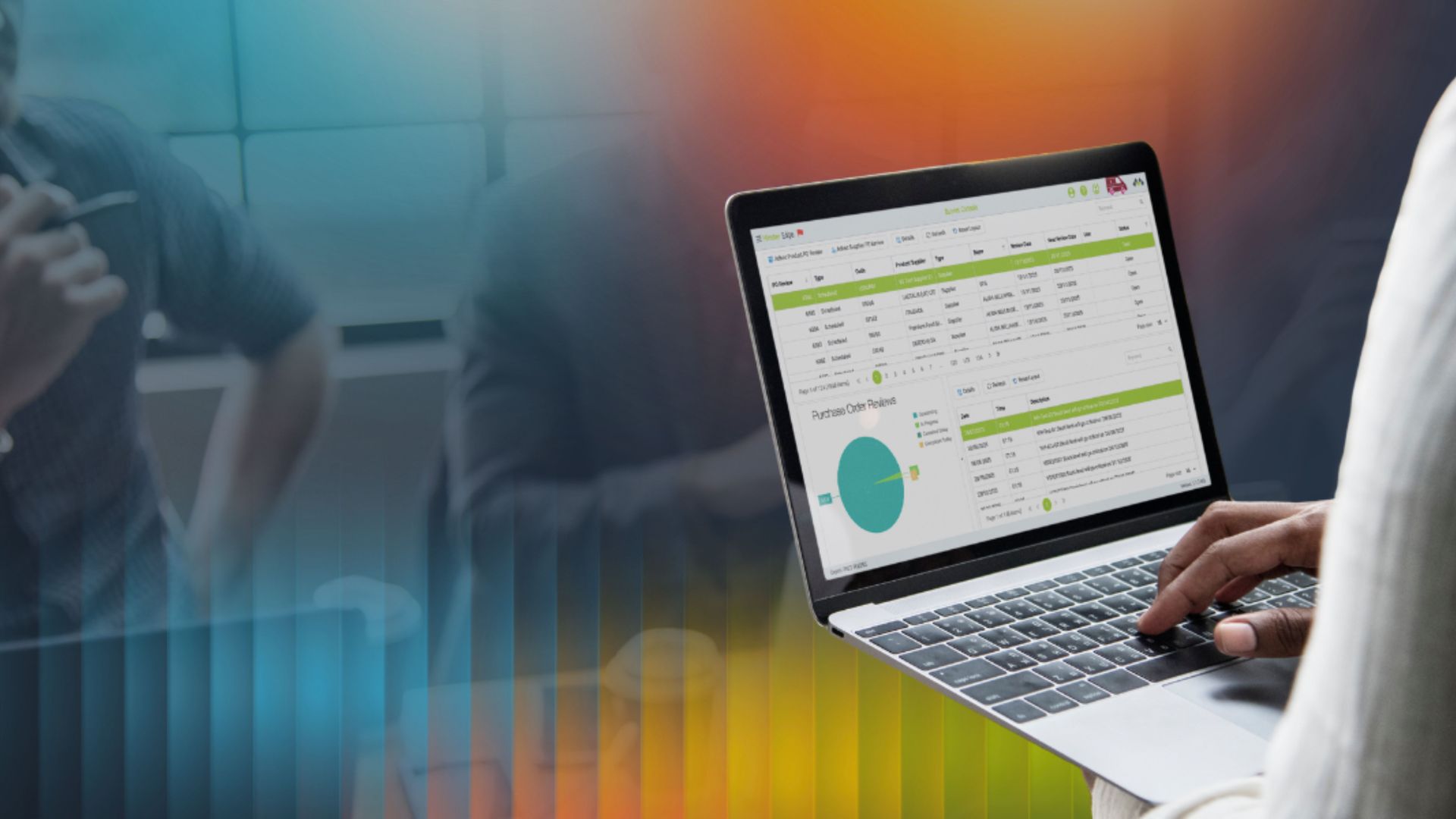
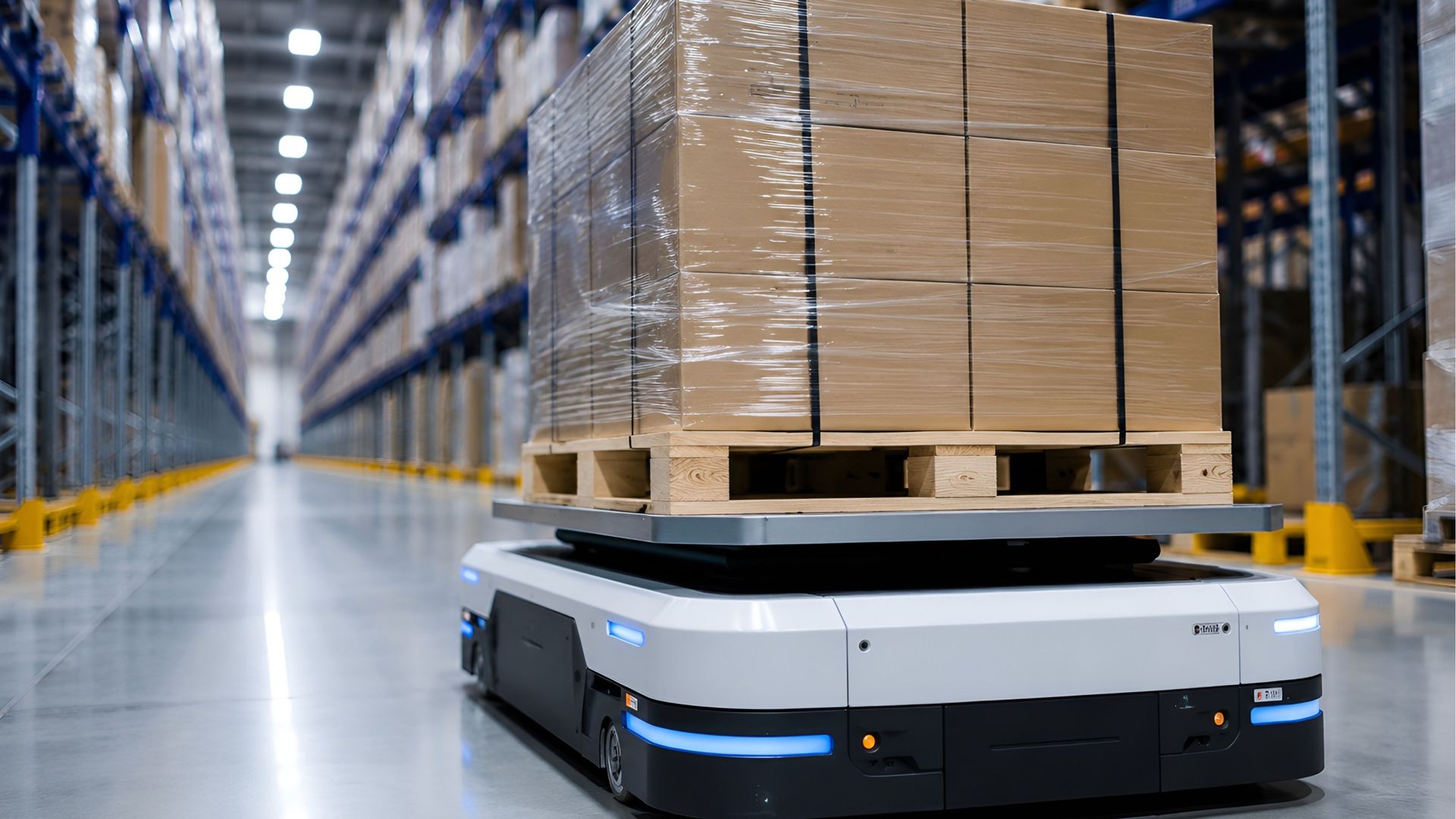
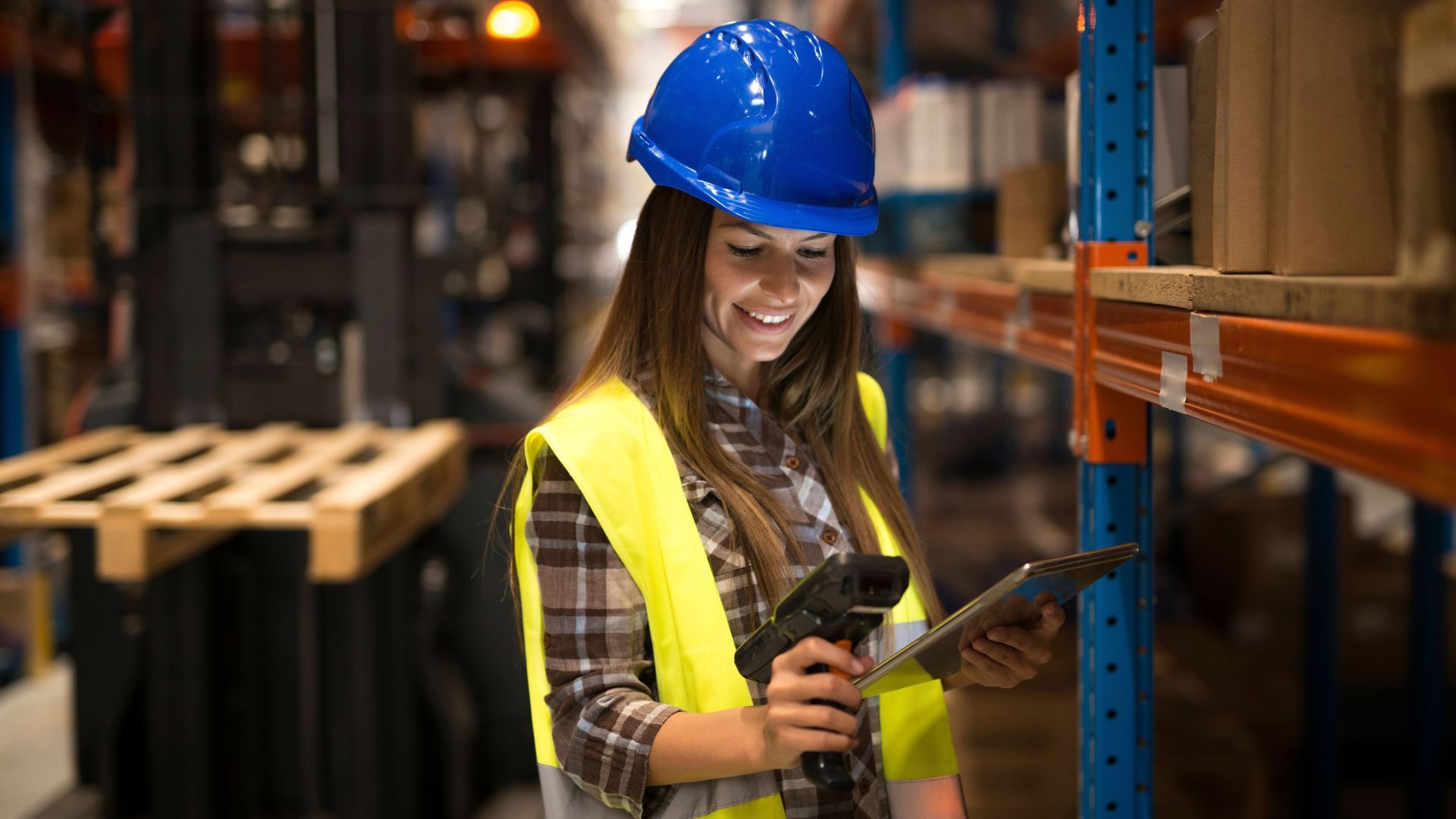
Perhaps the simplest way to tackle the last-mile problem is to leverage technology in the warehouse.
This takes a few different forms. There's route optimisation software, which uses traffic data to plan the most efficient routes. This helps you figure out the quickest and most fuel-efficient way from A to B (not always the same thing!)
Then there are delivery management systems or DMSs. These automate the whole delivery process from order to drop-off.
And finally, there's real-time tracking. This gives both the warehouse and the customer a close look at order status and location.
A good warehouse management system (WMS) will include most, if not all, of these technological fixes. This is one of the key benefits of a SaaS WMS for businesses of all shapes and sizes.
2. Micro-fulfilment centres and smart lockers
A big part of the last-mile problem is the distance from the central warehouse to your customers' doorsteps. One way to surmount this problem is to invest in, share or hire micro-fulfilment centres and smart lockers.
These are essentially mini-warehouses closer to your customers than your main hub. You might notice, for instance, that you're cleaning up in Clapham. You could set up a micro-fulfilment centre or leverage existing smart locker systems to break your bulk deliveries into chunks.
As well as helping solve the last-mile problem, these kinds of solutions are great for showing customers that you have their interests at heart – and that you're giving them options.
3. Creative modes of transport
Chances are, your business uses vans for deliveries. But when tackling the last mile, vans are too big to be efficient. There's no real point in dropping off a single delivery from the back of a haulage van.
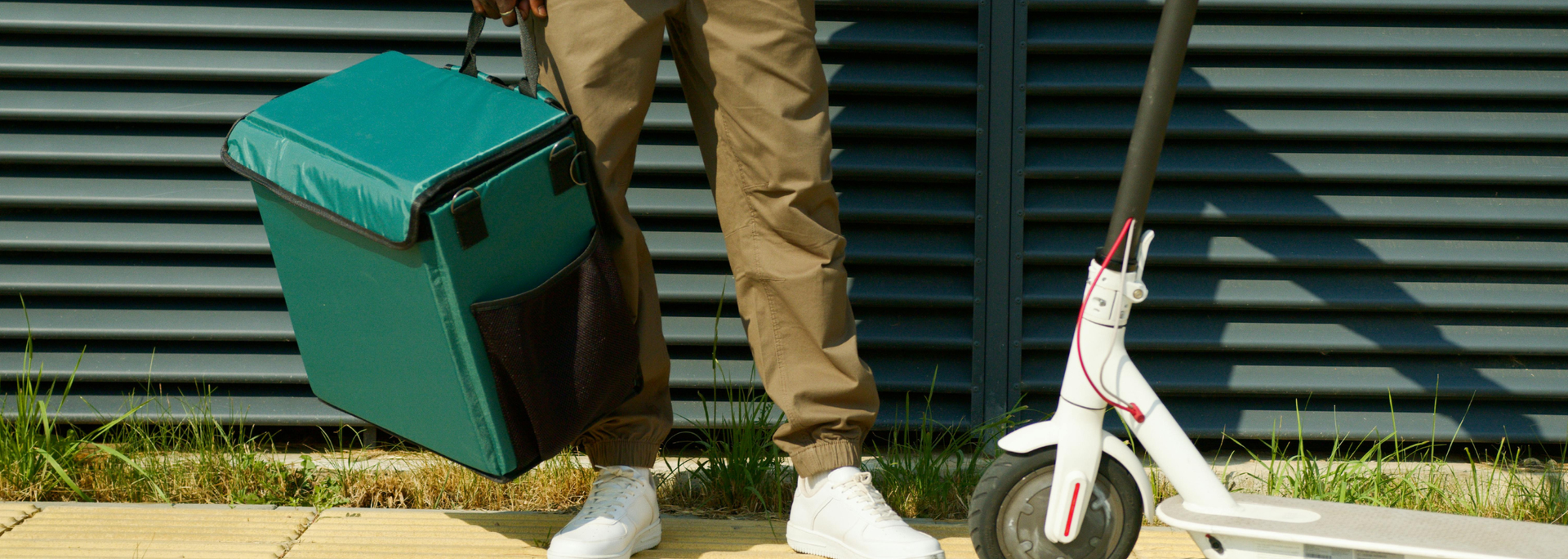
This is where a bit of creativity can go a long way. Could you invest in or at least try alternative modes of transport, such as e-bikes, e-scooters, drones or crowdsourced delivery? It's unlikely to solve the problem entirely – but it could help make the last mile more efficient.
4. Predictive analytics
Predictive analytics is a complex topic. It essentially refers to machine analysis of data to make sales forecasts.
However, it can also be harnessed to gain insights into the efficiency of your delivery methods. By keeping a clear record of your deliveries, you're feeding the machine with useful data that can be turned into practical advice about routing, fuel and customer satisfaction.
5. Clear lines of communication with the customer
Business trainers often emphasise the importance of effective communication with the customer. It builds trust and loyalty, turning one-time buyers into loyal customers. But did you know it can also help you crack the last-mile problem?
That's because it helps you keep failed delivery attempts to an absolute minimum. Allowing customers to track their order means they're more likely to be in when you arrive – or to arrange an alternative drop-off method.
And if you're delivering to other businesses, you should seriously consider getting a WMS with a B2B customer portal. This is an easy-access console for customers to consult about their purchases. Combine this with regular updates by SMS or email and those failed delivery numbers should soon drop off.
Are you struggling to optimise the last mile? Minster's warehouse management systems include a powerful last-mile delivery solution, complete with vehicle routing, GPRS tracking, real-time vehicle inspection data and more. Book a demo with our UK experts to see it in action.