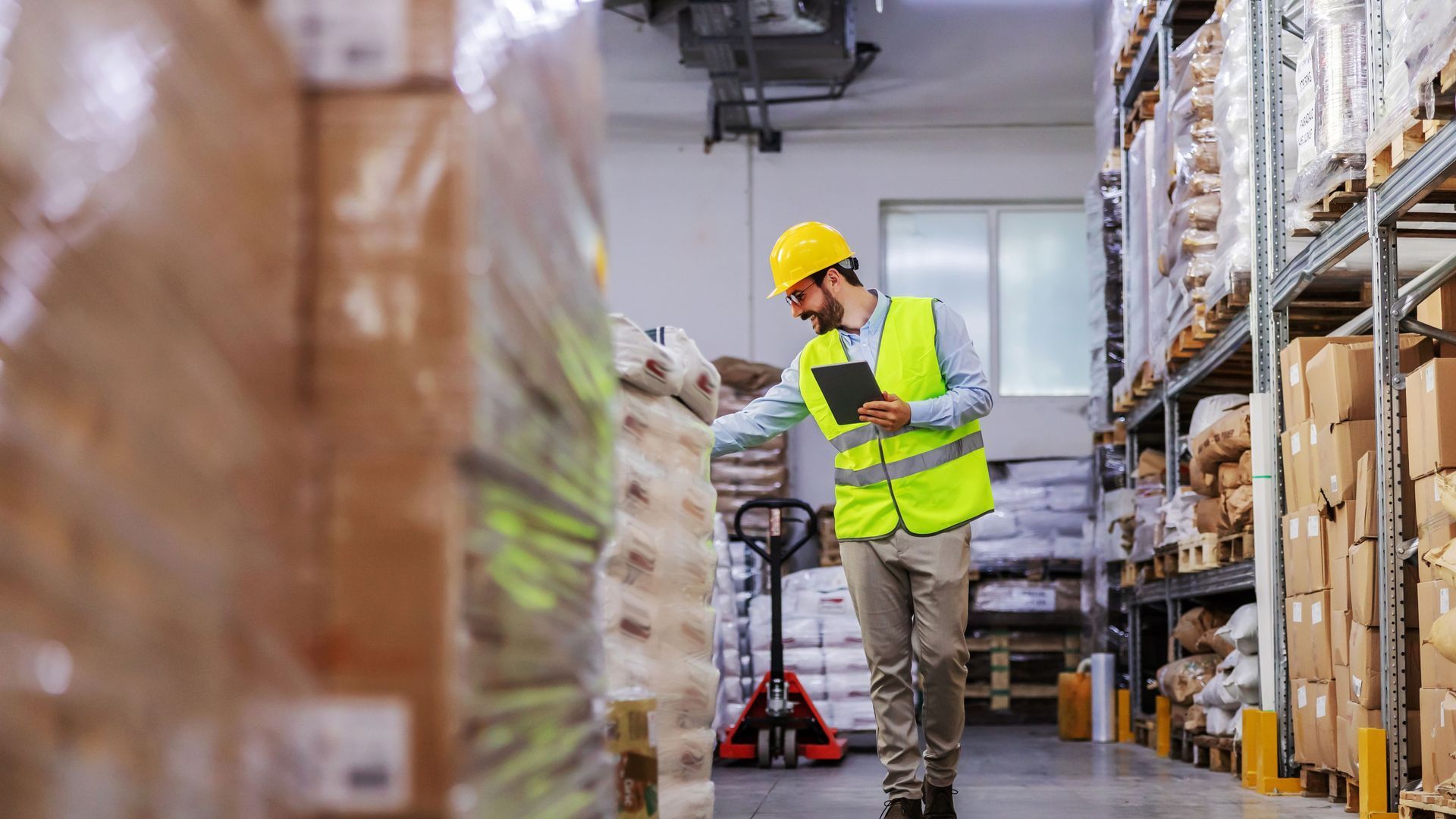
Putaway doesn't get quite as much attention as picking and packing. After all, customers don't particularly care which shelf their order lived on before it reached them.
However, poor putaway can make almost every process that follows harder.
It improves inventory accuracy
If products are stored in one place but recorded somewhere else, your inventory data quickly becomes unreliable.
Staff waste time searching for missing stock. Orders get delayed. And what appears out of stock may actually be sitting unnoticed on the wrong shelf.
Accurate putaway helps physical inventory and digital inventory sing in perfect harmony.
It accelerates picking
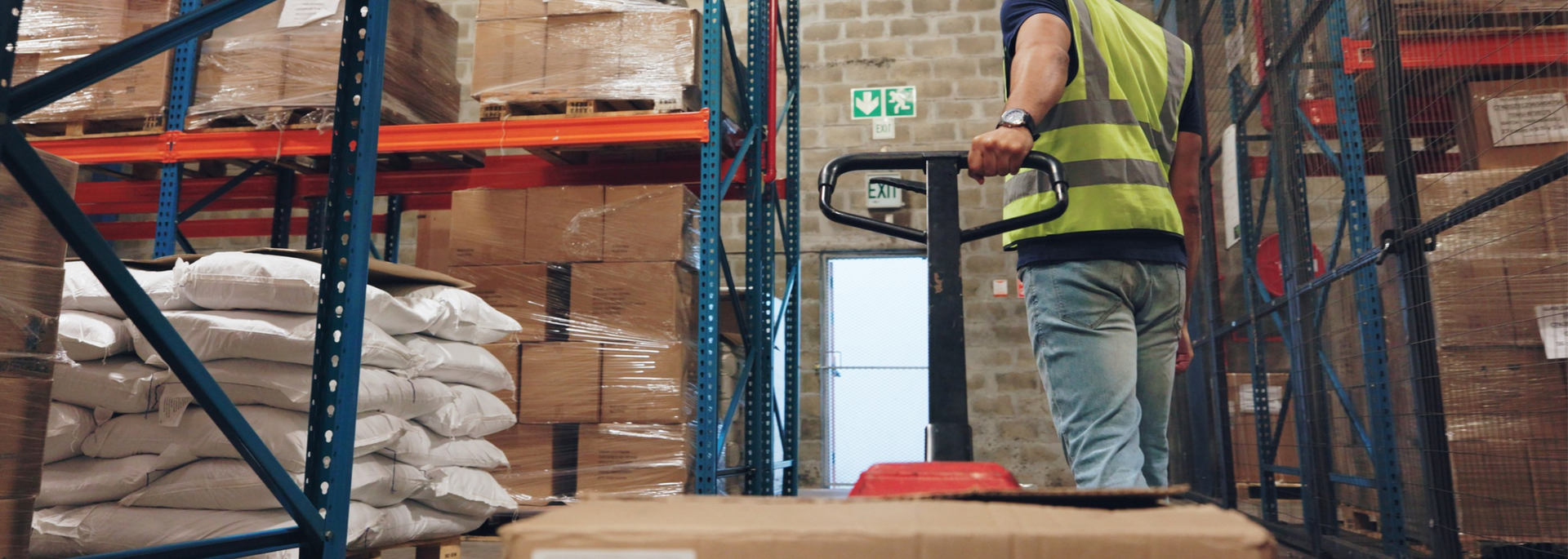
Where you store something affects how quickly you can retrieve it.
Put your bestselling products in sensible, accessible locations and pickers spend less time walking around the warehouse. Put them somewhere inconvenient, and those extra footsteps start adding up.
That's why putaway and picking shouldn't be treated as completely separate processes. Decisions made at the receiving end of the warehouse can have a knock-on effect when orders are fulfilled.
It makes better use of space
Warehouse space costs money. Good putaway helps you use it intelligently.
Large products need locations that can accommodate them. Heavy goods need appropriate storage.
Fast-moving products may deserve prime positions, while slower-moving stock can often live somewhere less convenient.
It's not simply about finding an empty space and filling it.
It keeps receiving areas clear
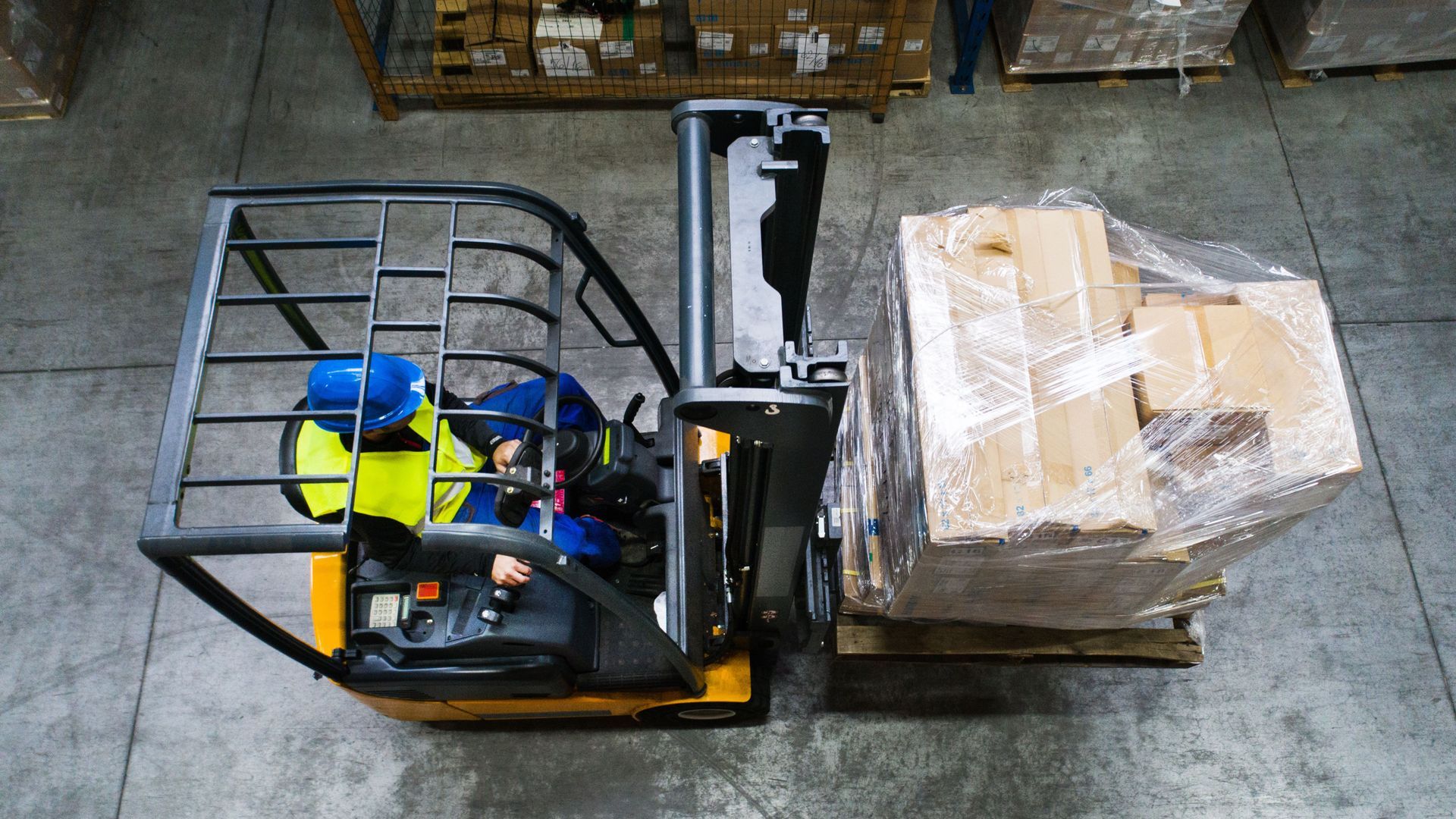
New stock shouldn't spend any longer than necessary hanging around the receiving area.
If putaway can't keep pace with deliveries, goods begin to accumulate. That creates congestion, makes stock harder to track and can interfere with the next incoming shipment.
Putaway time is therefore a useful warehouse metric in its own right. Slow it down enough, and the effects can ripple through the rest of the operation.
What are the different putaway strategies?
No single putaway method suits every warehouse.
One approach is
fixed-location putaway, where particular products have predefined storage locations. It's simple and predictable, but it can leave empty space when those products are out of stock.
Another approach is
dynamic or
random putaway. Goods are assigned suitable available locations as they arrive rather than always returning to the same place. This can make more efficient use of space, but relies much more heavily on accurate location records.
Warehouses may also use
rules based on product characteristics. Fast-moving goods can be kept close to picking or packing areas. Heavy items can be assigned to lower levels. Products that are frequently ordered together may be stored near one another.
In practice, many warehouses use a combination of approaches.
How can you improve warehouse putaway?
A good place to start is with accurate location data.
You should divide your warehouse into clearly identified zones, aisles, racks, shelves or bins. Staff need to know exactly where stock should go – and your inventory records must use the same location structure.
You can also look at travel time. If staff repeatedly carry high-volume products from receiving to the far end of the warehouse, there may be a more efficient home for them.
Product velocity matters, too. Your fastest-moving SKUs shouldn't necessarily occupy the same locations they did three years ago if customer demand has changed since then.
Finally, monitor putaway itself. How long does it take to move received inventory into an available location? Where do queues form? How often is stock later found in the wrong place?
Cold, hard data can reveal problems that familiarity has made easy to overlook.
How can a WMS help with putaway?
A warehouse management system can bring greater structure to the putaway process.
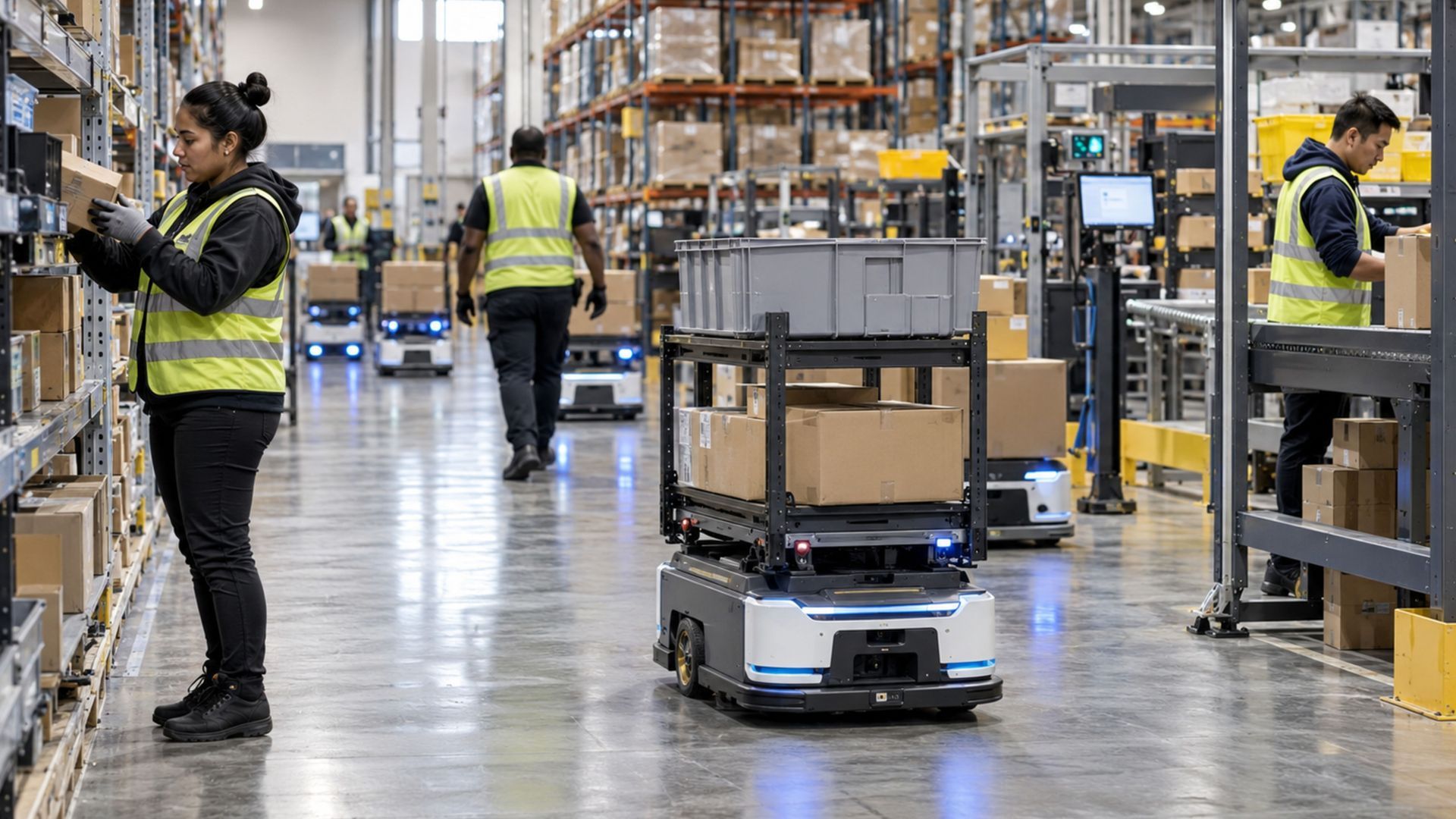
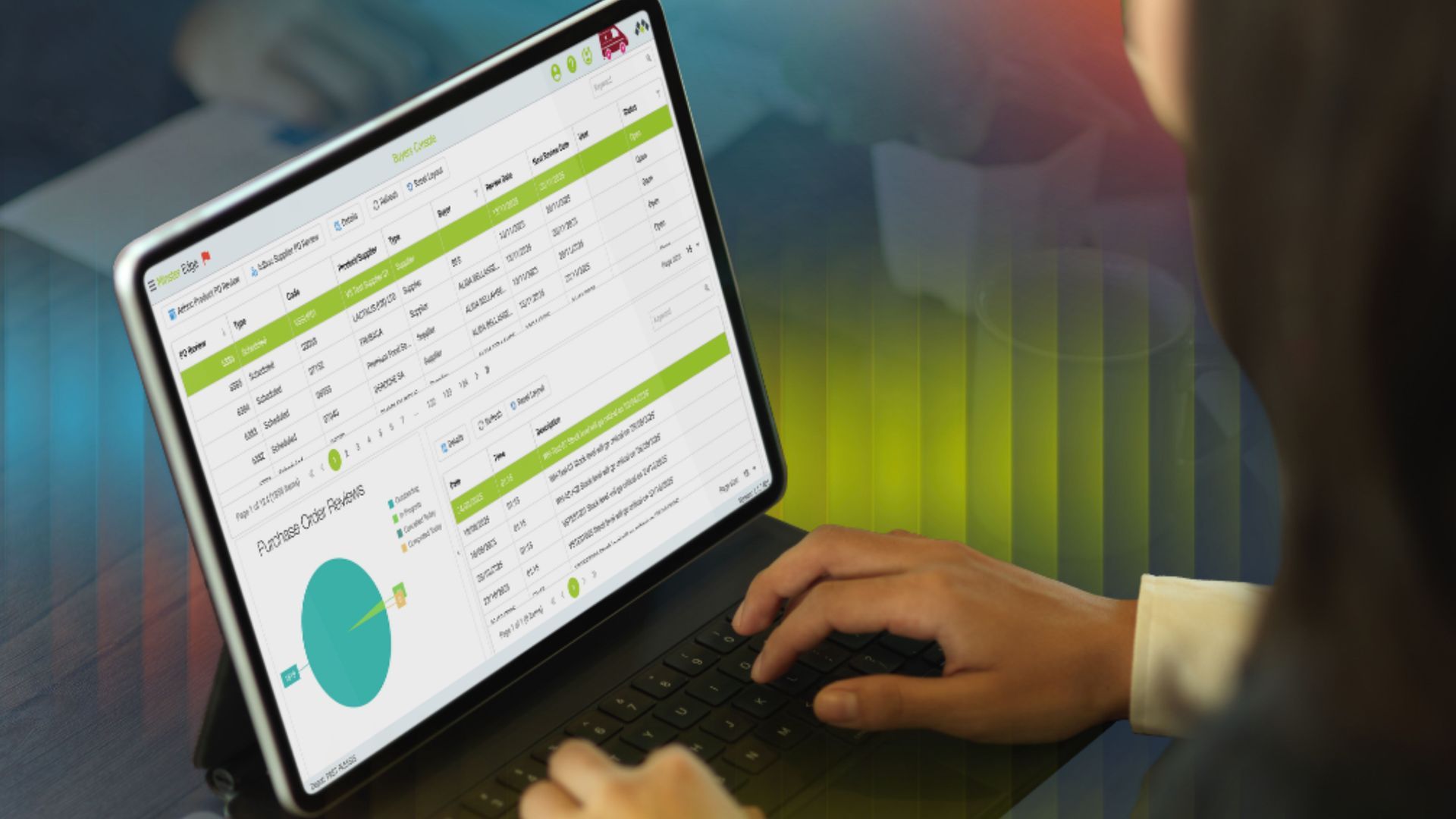
Instead of relying on staff memory or handwritten notes, a WMS maintains a digital record of inventory and storage locations. As goods are received and moved, barcode scans or other warehouse technologies can update those records.
Depending on the system and configuration, a WMS can also support location selection based on defined rules. That can help staff find appropriate storage locations without relying entirely on tacit knowledge.
All that means better visibility from the moment stock arrives to the moment it's picked for an order. And while putaway may only be one link in the warehouse chain, getting it right makes life considerably easier for everyone further down it.
Minster WMS develops
SaaS warehouse management systems for businesses of different sizes and levels of complexity. Explore the
Minster WMS blog for more practical warehouse advice, or discover how our
CORE and
EDGE
systems can improve inventory visibility and day-to-day warehouse control.