Outsourcing warehousing and fulfilment: time-saver or too risky?

Simon Edward • 13 November 2026

Share this article

Is it time to outsource warehousing – or is it more trouble than it's worth? Explore the pros and cons in our guide.


Is it time to outsource warehousing – or is it more trouble than it's worth? Explore the pros and cons in our guide.

As a business grows, managing stock, processing orders and organising deliveries can quickly become a full-time job. What once worked from a spare room or small warehouse may no longer be enough to keep customers happy and operations running smoothly.


Outsourcing warehousing and fulfilment can offer a way forward – but is handing over these responsibilities a smart move or a potential headache?


For some businesses, working with a third-party logistics provider (3PL) frees up valuable time, reduces operational pressure and creates room for growth. For others, the benefits can be outweighed by additional costs, reduced control and communication problems.


The right decision depends on your business model, order volumes, growth plans and how much control you want to retain.


Here are the main advantages and disadvantages to consider before making the switch.


The advantages of outsourcing warehousing and fulfilment


Picture of tucks parked in a line.


1. More time to focus on growing your business

One of the biggest attractions of outsourcing is the opportunity to concentrate on core business activities.


Instead of spending hours receiving stock, picking orders, packing parcels and arranging deliveries, your team can focus on sales, marketing, product development and customer relationships.


For growing businesses, this shift in priorities can make a significant difference. It lets management concentrate on increasing revenue rather than constantly dealing with the practical demands of getting products out of the door.


2. Access to expertise and infrastructure

Running an efficient warehouse requires suitable premises, equipment, trained staff and reliable processes. A fulfilment partner already has these resources in place, potentially saving you the expense and complexity of establishing your own operation.


Established providers may also offer access to carrier networks, warehouse management technology and experienced logistics teams. This can help businesses improve order processing and delivery performance without developing all the necessary capabilities internally.


3. Flexibility as demand changes

Order volumes rarely remain consistent throughout the year. Seasonal peaks, promotional campaigns and unexpected demand can put considerable pressure on an in-house warehouse.


Outsourcing can unlock additional capacity when required, making it easier to manage fluctuations without permanently increasing staffing or warehouse space. It can be particularly attractive to eCommerce businesses experiencing rapid growth or unpredictable demand.


4. Potential cost savings

Although outsourcing comes at a price, it may reduce spending on warehouse rent, equipment, utilities and technology. The key is to compare the provider's complete charges with the true cost of running your own operation, including management time and overheads.


The disadvantages of outsourcing warehousing and fulfilment


Picture of a motorway full of trucks.


1. Less direct control

When another company handles your stock and orders, you inevitably surrender some day-to-day control. You may have less influence over picking priorities, packing methods, stock handling and how urgent problems are resolved.


This matters particularly for businesses selling fragile, premium or bespoke products, where presentation and careful handling are central to the customer experience. A provider's standard processes may not always match your expectations.


2. Costs can become complicated

Outsourcing isn't necessarily cheaper. Storage charges, picking and packing fees, packaging costs, delivery charges, returns processing and account management fees can all contribute to the final bill.

Minimum monthly commitments and additional charges during busy periods can also affect


profitability. Before signing a contract, ask for a detailed cost breakdown and model how the charges would change as your order volumes increase.


3. Communication and service risks

Your customers hold your business responsible if orders arrive late, items are missing or deliveries go wrong. That's still true even when a third party handles fulfilment.


Poor communication, inaccurate stock records or slow responses to problems can damage customer satisfaction. That's why it's essential to establish clear service-level agreements (SLAs), reporting arrangements and escalation procedures.


4. Dependence on an external provider

Your fulfilment partner becomes an important part of your supply chain. If it experiences staffing shortages, technical problems or operational disruption, your business could be affected.


Changing providers later may also be complicated, involving stock transfers, system integrations, contractual commitments and potential disruption to orders. Make sure to check exit clauses, data access arrangements and contingency plans before committing.


Which is right for you?

The simple answer is there's no simple answer.


Outsourcing is often attractive when:

  • Order volumes are growing
  • Warehouse capacity is stretched
  • Logistics is distracting the team from more valuable work

It can also suit businesses that want to expand into new markets without investing heavily in their own premises.


However, keeping fulfilment in-house may be preferable when you have:


  • Relatively low order volumes
  • Highly specialised handling requirements
  • A strong need to control every aspect of the customer experience

If your existing operation is efficient and cost-effective, handing it over may offer little benefit.


Before deciding, calculate your current fulfilment costs, including less obvious expenses such as staff time, errors, returns and warehouse overheads. Then compare these figures with realistic outsourcing quotations.


There's a third option to consider, too: improving your existing warehouse processes with better technology. A warehouse management system (WMS) can help you streamline operations, improve stock visibility and reduce picking errors without giving up direct control of your warehouse.


Could a warehouse management system be the answer?


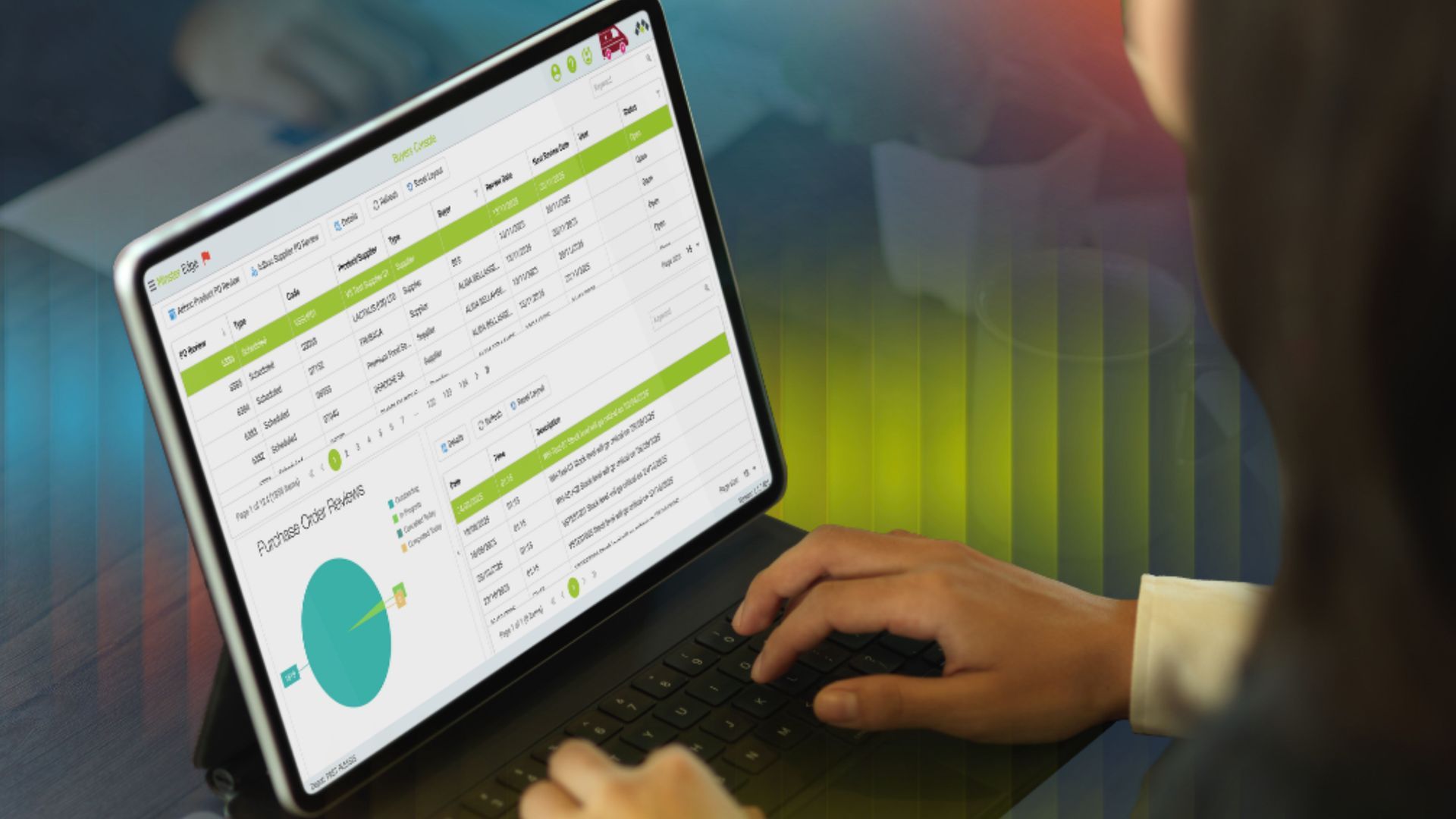
Picture of Data on a screen.

Outsourcing warehousing and fulfilment can be a valuable time-saver, but it's far from the only route to greater efficiency. For businesses that want to retain control while improving performance, the right warehouse management technology can make a substantial difference.


At Minster WMS, we offer cloud-based warehouse management software designed to help businesses:


  • Manage inventory
  • Streamline picking and packing
  • Improve order accuracy
  • Gain better visibility of warehouse operations

Our CORE solution suits small and medium-sized businesses, while EDGE offers greater customisation for larger and more complex operations.


Want to see our systems in action? Book a demo with our UK team and we'll show you exactly how a good WMS can drive efficiency in your operation.


Recent Posts

What is putaway in warehouse management, and why does it matter?
by Simon Edward • 9 November 2026
What is putaway in warehouse management, and why does it matter? Learn how optimising putaway can improve accuracy, space use and fulfilment.
Warehouse drones can automate inventory counting and reach stock humans struggle to access.
by Simon Edward • 6 November 2026
Warehouse drones can automate inventory counting and reach stock humans struggle to access. But are they the future?
How well is your warehouse really performing? Learn how to conduct a warehouse audit
by Simon Edward • 2 November 2026
How well is your warehouse really performing? Learn how to conduct a warehouse audit covering inventory, processes, technology, data and more.
Seasonal demand can make inventory planning a headache. Learn how to keep enough stock
by Simon Edward • 30 October 2026
Seasonal demand can make inventory planning a headache. Learn how to keep enough stock without wasting money on overstocking.
Today, goods are often brought to warehouse workers by robots and automated retrieval systems.
by Simon Edward • 23 October 2026
Today, goods are often brought to warehouse workers by robots and automated retrieval systems. Could a system like this work for you?
Is it time to upgrade your warehouse management system? Explore 10 telltale signs in our guide.
by Simon Edward • 21 October 2026
Is it time to upgrade your warehouse management system? Explore 10 telltale signs in our guide.
One of the under-sung benefits of a WMS is its capacity to reduce waste. Learn more
by Simon Edward • 21 October 2026
One of the under-sung benefits of a WMS is its capacity to reduce waste. Learn more in our industry guide.
Middleware enables different pieces of software to communicate and share data.
by Simon Edward • 12 October 2026
Middleware enables different pieces of software to communicate and share data. Find out what that means in practice.
Integrating different platforms can unlock new efficiencies.
by Simon Edward • 9 October 2026
Integrating different platforms can unlock new efficiencies. In this article, we explore how you can link your ERP, WMS and eCommerce platforms.
Every business needs inventory visibility. Find out why – and how
by Simon Edward • 5 October 2026
Every business needs inventory visibility. Find out why – and how a warehouse management system can help.
Show More