


The difference between logistics and supply chain management
Logistics and supply chain management: what are the differences – and why do they matter? Find out in our jargon-free guide.

When running a business, language is important. Yet all too often, words are used vaguely – or just plain wrongly.
Sure, there's plenty of jargon getting thrown around. But core concepts need definition if they're to benefit your business.
One classic case is the difference between logistics and supply chain management. What are the differences – and why do they matter?
Ask the person in the street and they might well think they're the same. Both involve moving stuff around, right? Well, yes and no.
The key difference is that logistics is a part of supply chain management but not the other way round.
Logistics involves managing the movement and storage of goods. Supply chain management is a broader and more strategic process. It bundles logistics together with procurement and customer service.
In this article, we look at this difference in more detail – and examine how a cloud-based warehouse management system (WMS) can help you handle both. And we're going to do it with zero jargon – that's a promise!
What is logistics?
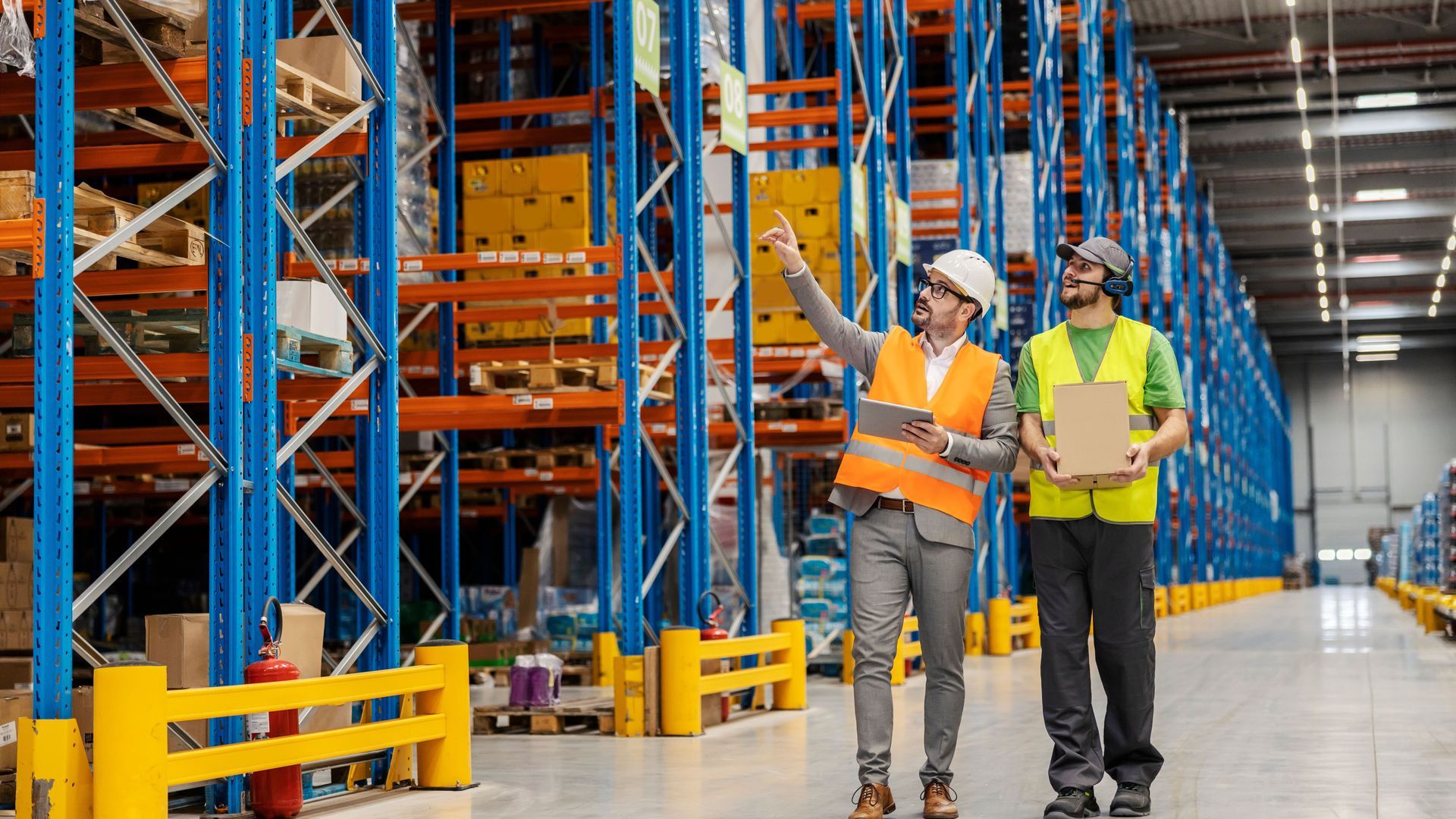
Logistics is a specific part of the supply chain. It covers the physical flow of goods from one place to another, the transport that makes it happen and the storage facilities at each stage.
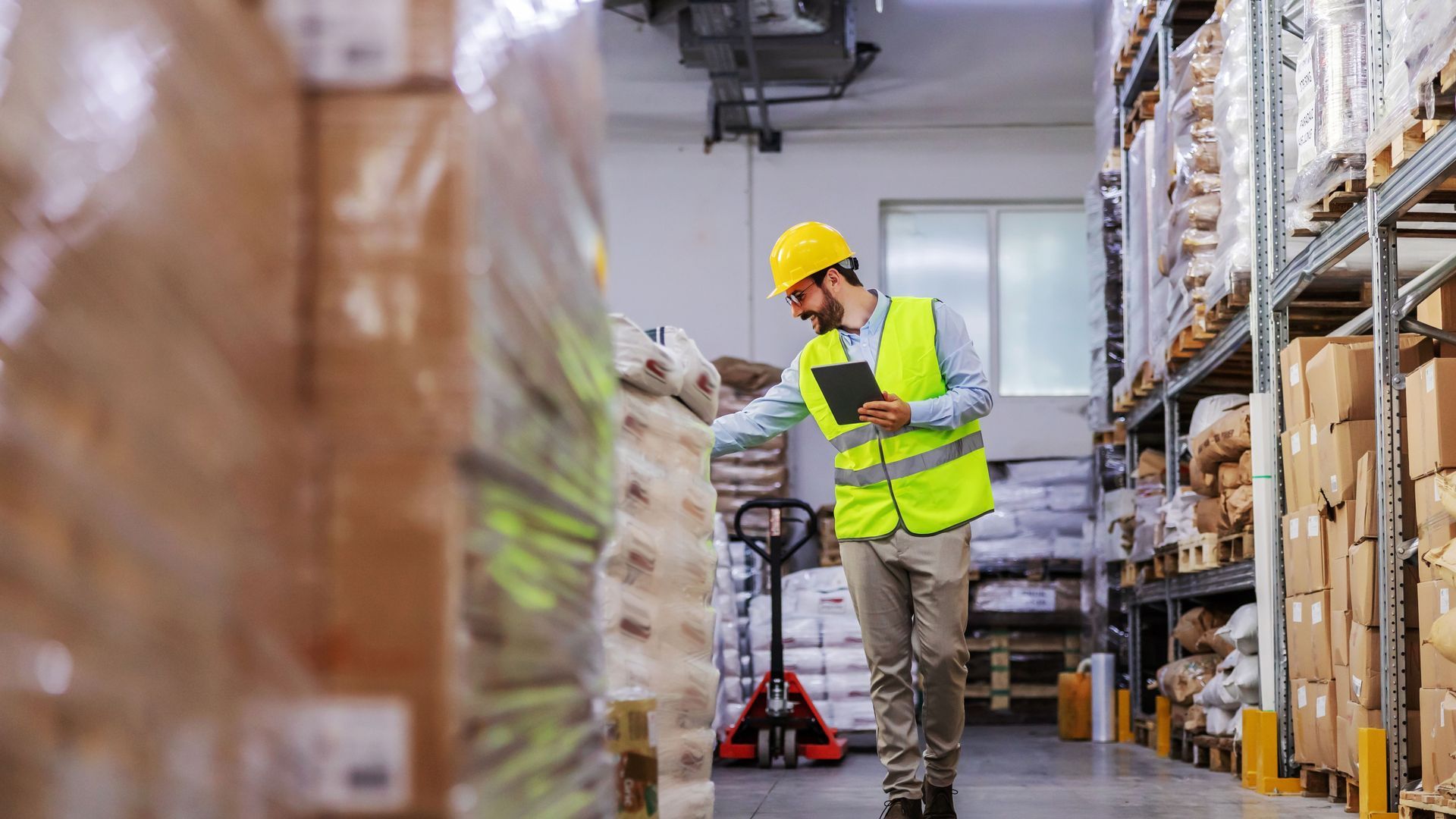
Logistics is a key operational concern for any warehouse. It covers core day-to-day tasks like inventory management, picking, packing, putaway and delivery.
It forms one part of supply chain management. What it doesn't do is cover all aspects of the supply chain – just the movement and storage of goods.
What is supply chain management?
Supply chain management is an umbrella term. It covers the entire supply chain, from the acquisitions of raw materials to the final sale.
Because it has a broader scope than logistics, it's less to do with day-to-day operations and more to do with strategic, long-term thinking.
Supply chain management as a whole requires plenty of planning – especially at a time when supply chain disruptions are the norm, not the exception. Collaboration is needed to ensure a smooth and efficient transfer of essential parts, components and goods.
And yes, part of this is logistics itself. But while logistics is a part of supply chain management, supply chain management is more than just logistics.
Why does the difference matter?
At this point, you might be wondering why any of this matters. All warehousing businesses engage in logistics and supply chain management. Why the nitpicking?
The main reason why it's worth knowing the difference is that success in business often hinges on knowing what you're trying to achieve at any one time.
We've all been in meetings where five different agenda points are muddled up. The truth is that some businesses are like that overall, never sure what they're aiming for at a given moment in time.
Distinguishing between logistics and supply chain management helps you make better decisions. Are you dealing with more returns than usual or trying to make delivery more reliable? Then you need to think logistically.
If, however, you're building partnerships to ensure supply chain continuity, you've got your supply chain management hat on.
How can a cloud-based WMS help with logistics?
Those are the distinctions. So, how can a cloud-based WMS help with each?
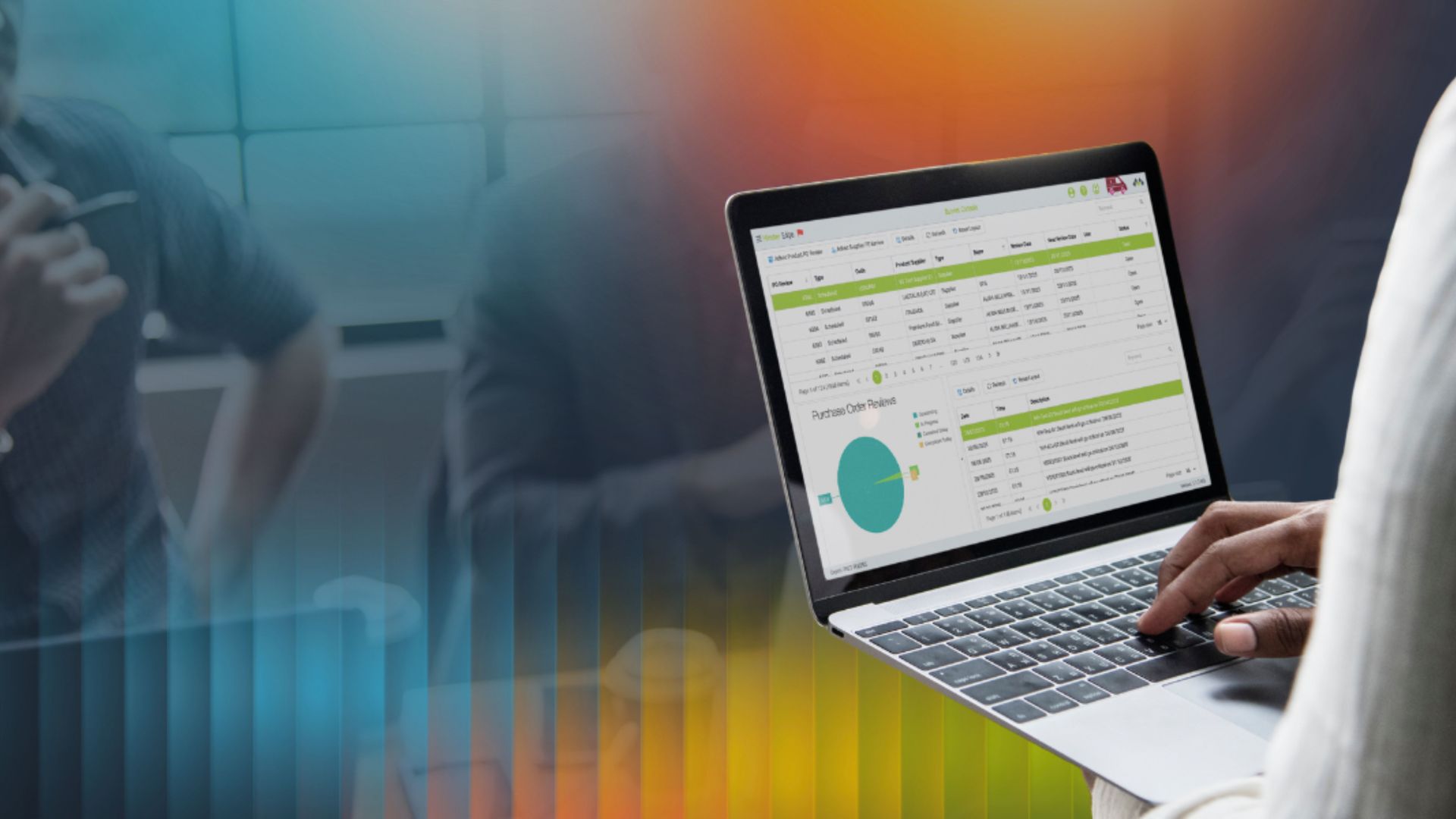
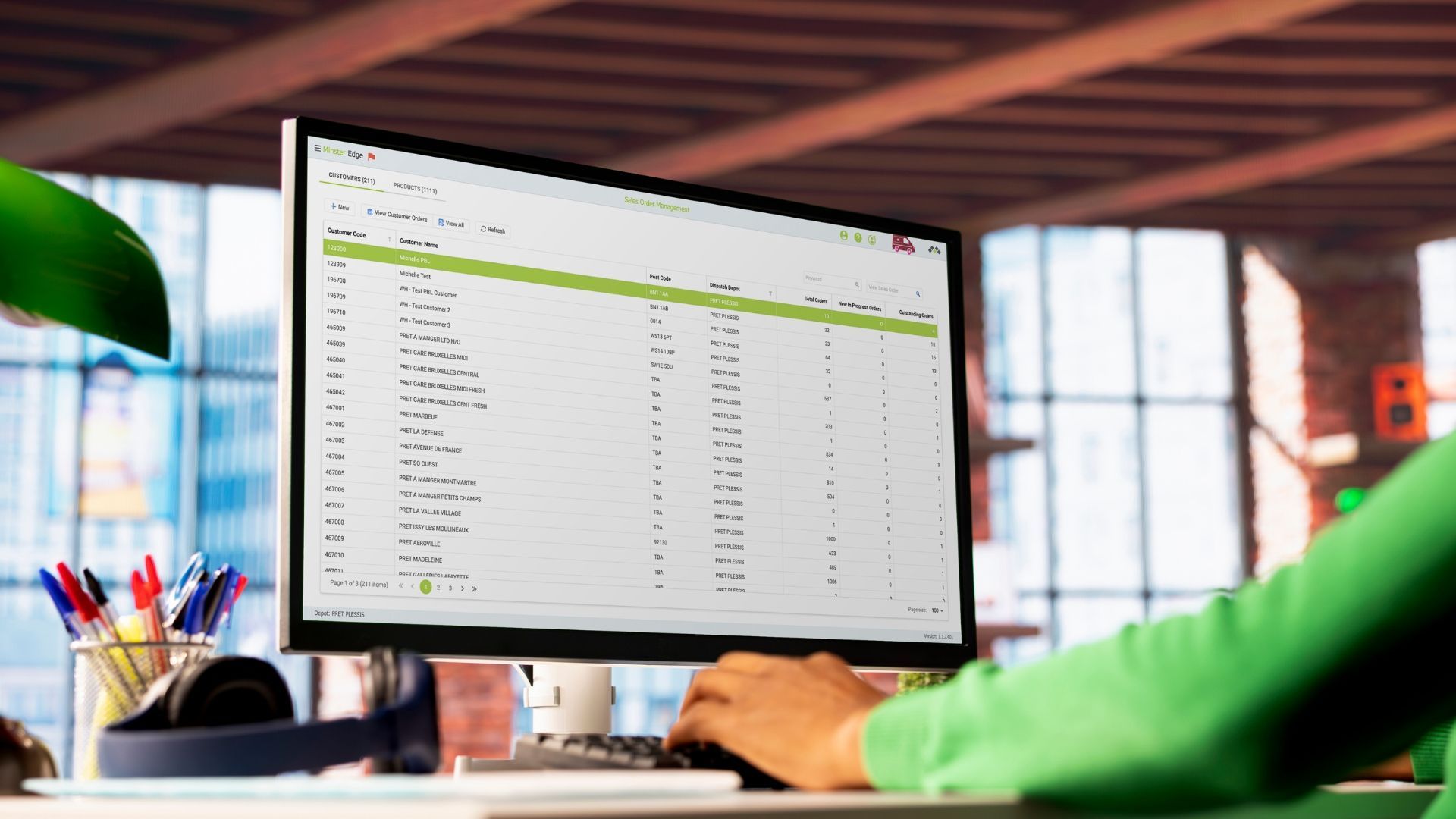
Above all, a good WMS gives you greater visibility and control over your inventory levels, order status and warehouse activities. This data is available in real-time – and can be accessed from anywhere at any time. All you need is an internet connection and the right access permissions.
Having this data at your fingertips means you can avoid stockouts and overstocking. And being able to generate reports with just a few clicks of the mouse lets you increase the accuracy of your forecasts and purchasing decisions.
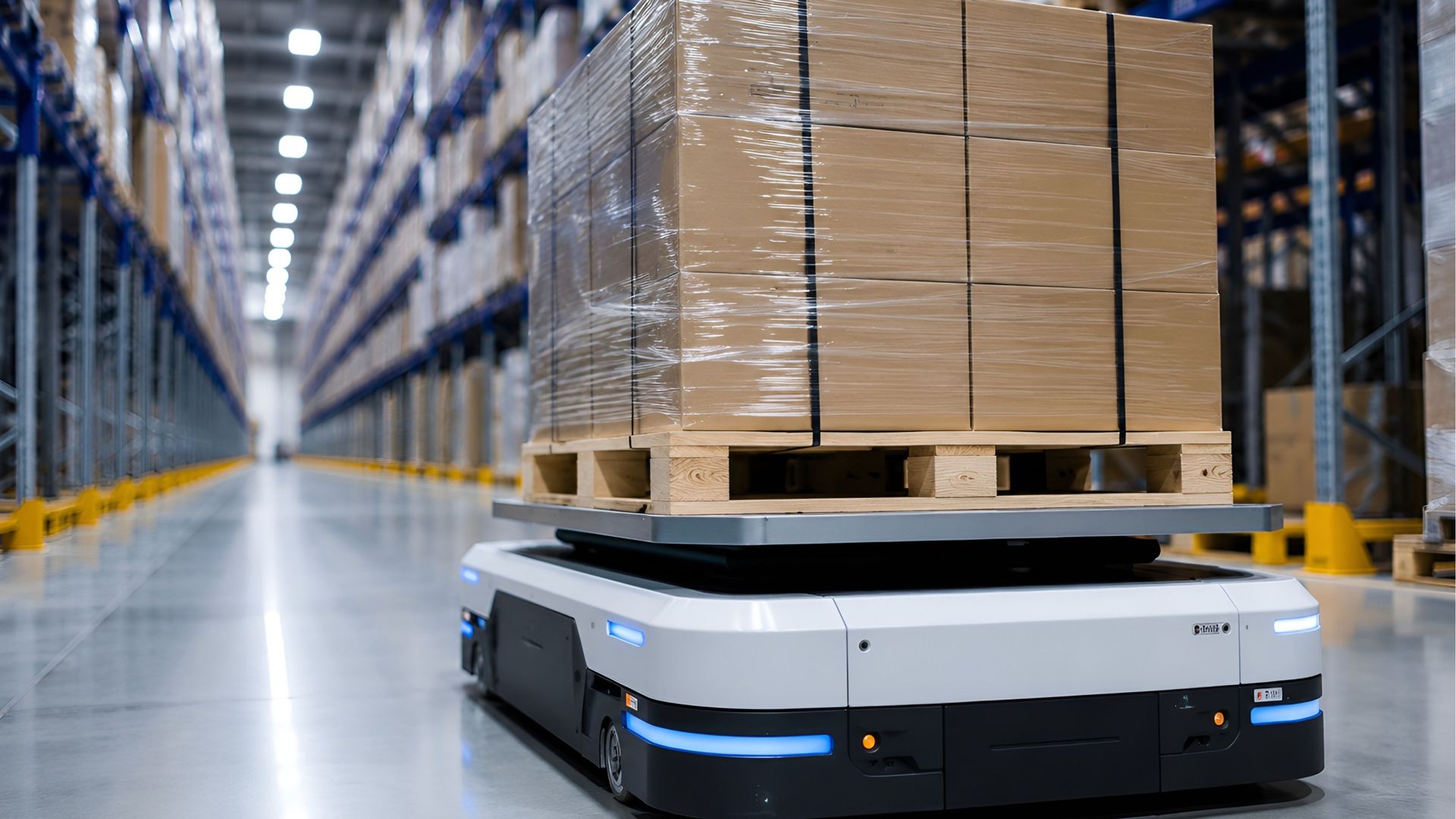
A cloud-based WMS can also help you streamline your order fulfilment process. It does this by automating core tasks. Receiving, picking, packing and shipping can all be automated, reducing human error and increasing accuracy. Similarly, picking and packing routes can be optimised automatically.

If you're working with legacy warehouse management systems, they can easily be integrated into a good cloud-based WMS. This means you can upgrade your system and enjoy its benefits without shutting down production.
Systems that can be integrated include:
- Enterprise resource planning (ERP) systems
- Transportation management (TMS) systems
- Customer relationship management (CRM) systems
- eCommerce platforms, such as Amazon and eBay
By integrating these systems, different types of data can talk to each other and increase your overall accuracy in logistics.
Finally, a cloud-based WMS is scalable. This means your logistics won't suffer when your business grows. Rather than manually entering huge swathes of data, your system can be scaled up in days, not months.
How can a cloud-based WMS help with supply chain management?
A cloud-based WMS can help with supply chain management as well as logistics. It does this in two key ways: procurement and customer service.
Procurement is a fundamental aspect of any warehouse's operations – but it doesn't usually fall under the "logistics" banner.
When integrated with your ERP (enterprise resource planning), a WMS gives the procurement team a single and authoritative source of data. This makes your decisions better, and faster. It also means you can communicate more clearly with your suppliers.
And when it comes to supply chain management, good customer service is key. Without it, customers are left unfulfilled by the fulfilment process.
All the core functionalities of a good WMS help in this regard. By making your operations more visible and more efficient, customers are more likely to receive their goods in good time.
A WMS can help with customer service in another way. Some (ours included) include dedicated client portals. This lets customers track their orders in real time, building trust and improving customer retention.
Ready to upgrade your logistics optimisation software? With our warehouse management solutions, you could be reaping the benefits of faster, more efficient logistics in a matter of weeks. Book a demo today to find out how.