



WMS and legacy system integration: a warehouse leader's guide

Simon Edward • 18 December 2025

Share this article

Making the move to a modern WMS? Find out how your legacy systems can be integrated with a minimum of disruption.


So you're making the move to a modern, cloud-based warehouse management system (WMS). Congratulations!


A good WMS is like a set of high-quality kitchen knives. Once you've got it, you'll wonder how you ever did without.


But there's a problem. Unless you're a brand-new company, you're likely to be working with a variety of legacy systems. This could be a software-based ERP, Excel spreadsheets for inventory or even pen-and-paper records.


What's to be done with all this data? How can you fold it into your new system without your business grinding to a halt for days?

Luckily for you, good WMS solutions often come with integration tools that let you get the job done quickly and easily.


But before we take a look at how a WMS like ours can help you integrate your legacy systems, let's answer the question: why integrate at all?


Why integrate legacy systems into a WMS?

Silos are good for grain, cement and sawdust. They're not so good for businesses.


If your data is siloed in different legacy systems, chances are that you're increasing the likelihood of missed memos and delays. It's like trying to do diplomacy over the phone with a bad signal.


It's not just that data silos are frustrating. After all, frustration can be tolerated if it has a broadly positive outcome.


But a lack of joined-up thinking in your company will only lead to bottlenecks, mistakes and missed deliveries – all things guaranteed to lose you money and give your customers pause.


A well-integrated WMS, by comparison, gives you a high level of control over all aspects of your warehouse operations. Data flows smoothly and instantly – not a bottleneck in sight.


Manual data entry has its advantages. Accuracy is not one of them. Humans have many skills, but they're also prone to making mistakes. Integrating inventory and other essential data into a WMS all but eliminates these errors.


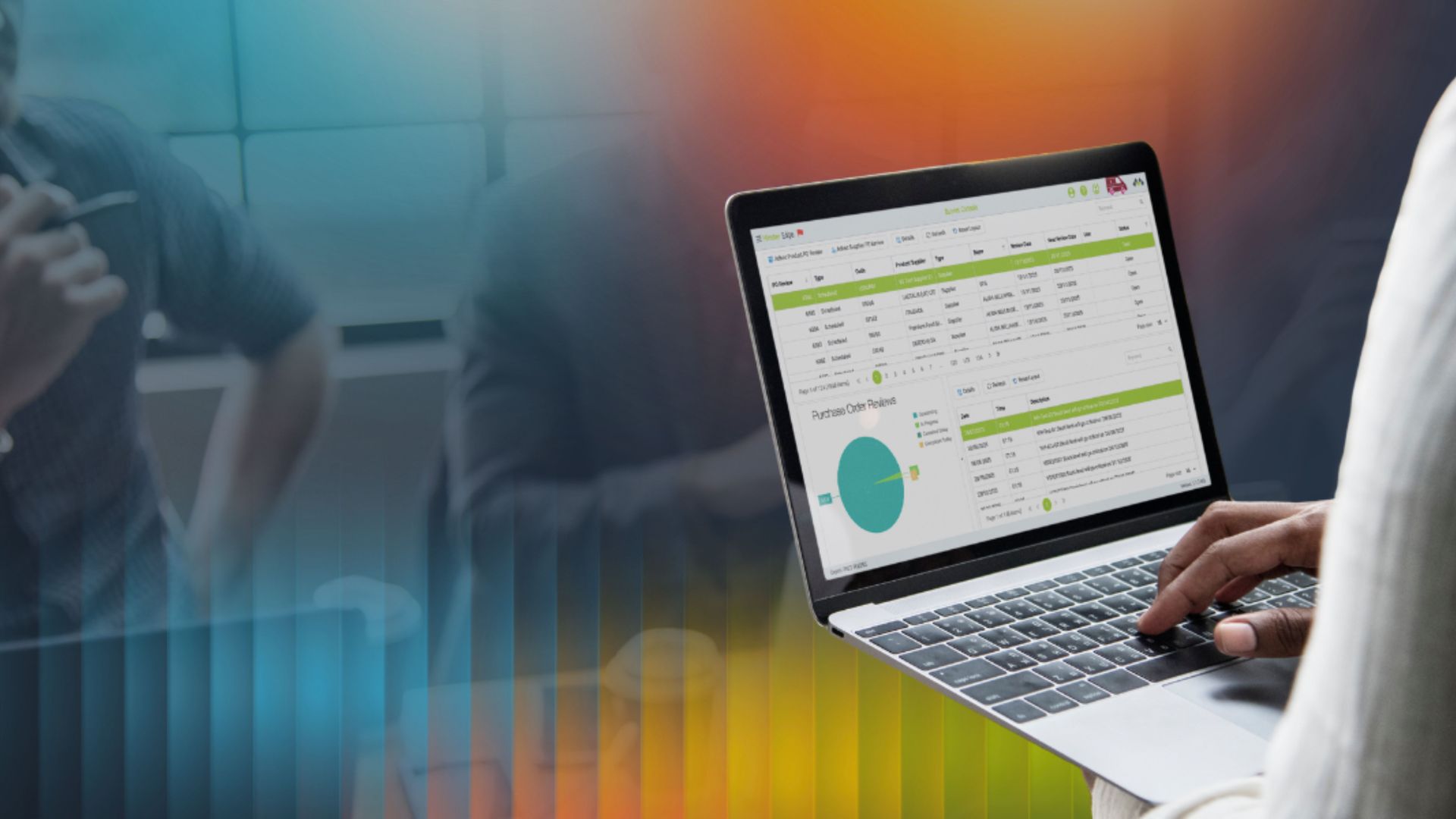
And when data is visible and accessible, it can be harnessed to drive better decision-making. An incomplete overview of your warehouse means your decisions are likely to be powered by guesswork more than statistics. A high-quality WMS changes all that.


Picture of Data on a computer screen.

Finally, integrating your legacy systems into a cloud-based WMS means they become scalable. As you grow, your capacity can be scaled up with ease – whether that means more stock, more staff or more warehouses.


That's the why – so what about the how? Here are five types of systems that commonly need to be integrated with a WMS.


Five common examples

1. Enterprise resource planning (ERP)

An ERP is sometimes called a "single source of truth". It's relied on as a central depository into which diverse data sources flow.

But when you upgrade to a cloud-based WMS, your ERP needs to come with you. Without ERP-WMS integration, your warehousing data is kept separate from everything else.


Integration, on the other hand, means stakeholders get end-to-end visibility into all aspects of your operations – and all from a single interface that's accessible anywhere.


Perhaps your old ERP had to be accessed on-site. With WMS integration, you can log in and look from anywhere at any time.


2. Transport management system (TMS)

Is your transport management system separate from your warehouse system? It's not impossible to make it work, but you are giving yourselves a whole lot of headaches for no reason.


Breaking down the barrier between these two systems means you get greater visibility into all stages of the fulfilment process. This makes it far easier to plan ahead and forecast demand.


It also indirectly helps boost customer satisfaction. These days, people expect the moon on a stick – and they expect it 10 minutes ago. This means you need all the help you can get to ensure your goods arrive on time and in good condition.


3. Customer relationship management (CRM)

All this talk of customer satisfaction leads us to our next legacy system: that old faithful, the CRM.


Tracking the customer journey is essential to ensure good communication between you and your customers. But if it's separate from the rest of your warehouse management tools, you're likely to see an uptick in delays, mistakes and other gremlins.


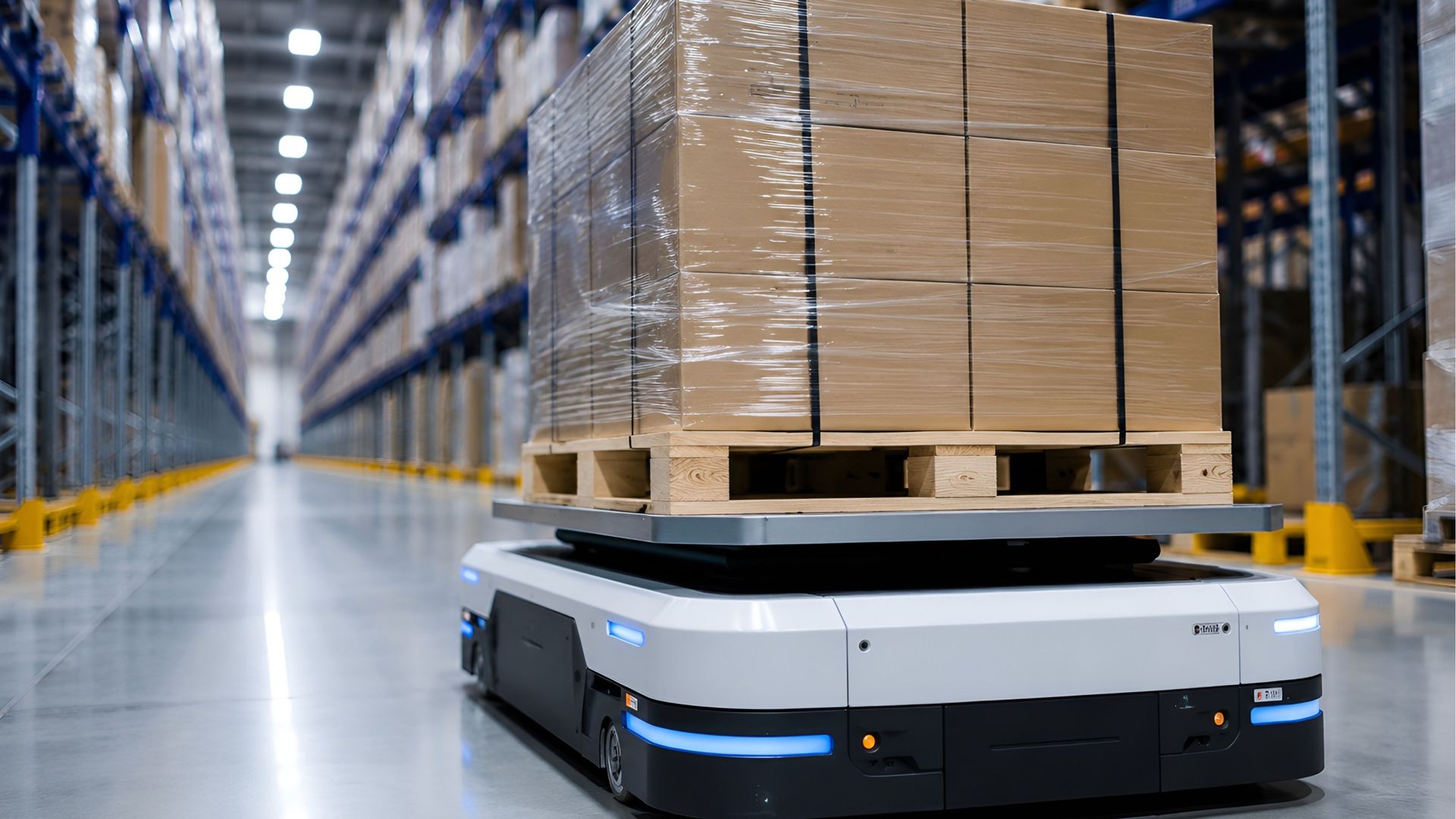
Picture of a warehouse worker.

Integrating your CRM with your WMS is a no-brainer. It means different kinds of data start talking to each other. What's more, reporting functions can generate actionable insights into customer behaviour with just a few clicks of the mouse.


Oh, and here at Minster WMS, our WMS solutions feature a customer ordering portal. This gives customers visibility into their order, increasing customer satisfaction, building trust and reducing your rate of returns.


4. Custom software

Does your business use custom or proprietary software for day-to-day operations? If it's fed by warehouse data and needs to be manually exported and updated, it's ripe for integration with a cloud-based WMS.


5. Supply management platform (SMP)

Your SMP, too, can be integrated with a cloud-based WMS. Your data now becomes visible in real time. It's never been easier to track and trace everything from raw materials to customer delivery – and to relate supply chain data to other aspects of your workflow.


If your SMP is in a silo, however, you're doing the warehouse equivalent of wearing tinted glasses in a snowstorm. Improve your accuracy, forecasts and overall visibility by integrating with a highly capable cloud-based WMS.


How we can help

Here at Minster WMS, we provide businesses in a range of industries with CORE and EDGE, our highly capable cloud-based warehouse management systems.


Our WMS solutions are trusted for their ease of integration. They're designed to help you hit the ground running and start unlocking new efficiencies with minimal disruption.


But they're not the only tool in our toolbox. We're also the team behind IntaData – a highly flexible, highly cost-efficient, all-in-one SaaS integration platform.


IntaData acts as a bridge between all your systems, old and new. It takes data inputs and translates them on the fly to keep systems talking the same language – forever.


For you, this means future-proofing your operational integrity. And it means transforming what would be a costly, time-consuming integration project into something far quicker and far less expensive.


Want to see how IntaData could work for you? Getting started is simple. Book a demo with our experts and let us show you its potential first-hand.


Recent Posts

Wasting time and money on returns? Discover how a modern, cloud-based WMS can help
by Simon Edward 22 December 2025
Wasting time and money on returns? Discover how a modern, cloud-based WMS can help you win back your losses.
Logistics and supply chain management: what are the differences – and why do they matter?
by Simon Edward 19 December 2025
Logistics and supply chain management: what are the differences – and why do they matter? Find out in our jargon-free guide.
Are your decisions driven by guesswork? Find out how a good WMS can give you the data you need.
by Simon Edward 18 December 2025
Are your decisions driven by guesswork? Find out how a good WMS can give you the data you need to improve strategic decision-making.
Want to see more, know more and grow more? Then your business needs a warehouse management system.
by Simon Edward 18 December 2025
Want to see more, know more and grow more? Then your business needs a warehouse management system. Here's why.